


 Pro Benefits
 Sobre
Sobre
 Termos
 Privacidade
 Child Safety & Protection
 Notificações
 Ayrush Global It Services Pvt Ltd
Step-by-Step Guide to Successful Farming for Real Estate
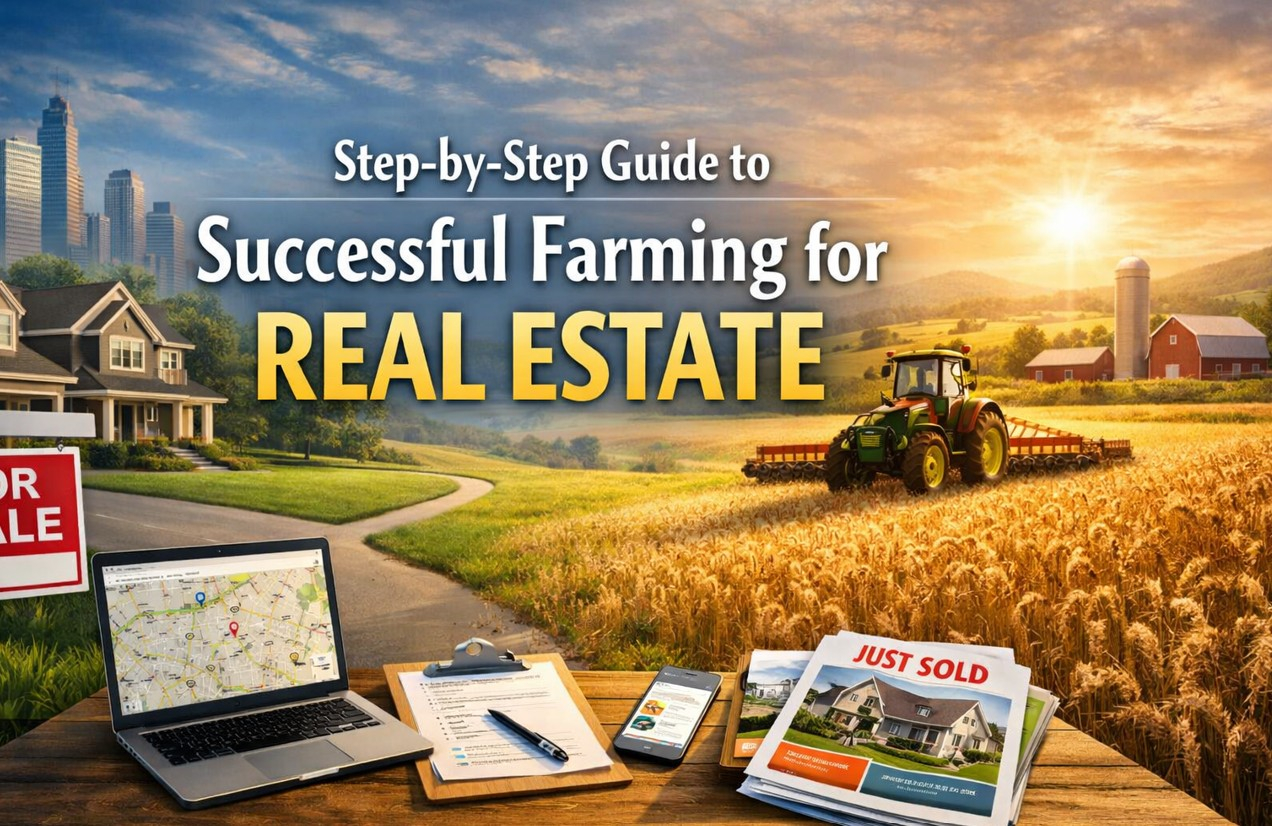
In real estate, one of the most effective ways to generate consistent leads is through farming for real estate. This strategy focuses on a specific neighborhood or community, allowing agents to build recognition, trust, and authority. When executed properly, it turns local homeowners into loyal clients and generates steady referrals.
Unlike generic marketing, farming for real estate is targeted, personal, and long-term. Agents who master it enjoy predictable lead flow and strong local branding. This guide will walk you through each step to implement a successful farm strategy.
Step 1: Choose the Right Farm Area
Selecting the right neighborhood is the foundation of success. Consider these factors:
-
Turnover Rate: Look for areas with frequent home sales. High turnover means more potential clients.
-
Demographics: Understand the homeowners’ needs, such as age, income, and family status.
-
Accessibility: Pick neighborhoods where you can easily engage with residents.
-
Competition: Avoid areas oversaturated with other agents to maximize your impact.
Data-driven decisions ensure that your farming efforts are focused on profitable areas. Tools like MLS reports and mapping software can help identify the best opportunities.
Step 2: Develop a Consistent Marketing Plan
Consistency is the key to building recognition and trust. A multi-channel marketing plan should include:
-
Direct Mail: Postcards, newsletters, or market updates sent regularly
-
Email Campaigns: Personalized emails with neighborhood news or market insights
-
Social Media: Localized posts and community engagement
-
In-Person Outreach: Door knocking, open houses, and community events
A consistent presence ensures that homeowners begin to recognize and remember your name.
Step 3: Personalize Your Communication
Generic marketing rarely works. To stand out, your messaging should be relevant to the specific neighborhood:
-
Share local market trends
-
Highlight community events or news
-
Offer home maintenance tips or seasonal reminders
Personalized messages show homeowners that you are invested in their community and genuinely understand their needs.
Step 4: Use the Right Tools
Modern technology can simplify farming for real estate:
-
CRM Platforms: Manage leads, automate follow-ups, and track engagement
-
Mapping Tools: Identify target neighborhoods and track property trends
-
Marketing Automation: Schedule emails, social media posts, and direct mail campaigns
Using the right tools reduces manual work and ensures consistent outreach without losing the personal touch.
Step 5: Track Performance and Adjust
Measuring results is essential for success. Track metrics such as:
-
Direct mail response rates
-
Email open and click-through rates
-
Website visits from your farm area
-
Social media engagement
Analyze this data regularly to refine your approach. If a particular tactic isn’t working, adjust your messaging, timing, or frequency.
Step 6: Engage Long-Term
Farming is a long-term strategy. One-time campaigns rarely generate results. To succeed:
-
Maintain regular contact with homeowners
-
Follow up with leads promptly
-
Participate in local events
-
Provide ongoing value through market insights or helpful tips
The longer you stay visible, the stronger your reputation becomes, and the more likely homeowners are to choose you when selling.
Common Mistakes to Avoid
-
Inconsistency: Sporadic outreach will fail to build recognition
-
Ignoring Data: Picking neighborhoods without research can waste time and money
-
Generic Content: Unpersonalized messaging fails to connect
-
Neglecting Follow-Up: One interaction is not enough to convert leads
Avoiding these mistakes ensures your farming efforts pay off in the long term.
Benefits of Farming for Real Estate
-
Predictable Lead Generation: A focused approach ensures a steady stream of prospects
-
Strong Local Branding: Become the recognized expert in your neighborhood
-
Cost-Effective Marketing: Targeted campaigns reduce wasted spending
-
Higher Conversion Rates: Trust and familiarity increase homeowner willingness to work with you
Conclusion
Farming for real estate is not just about marketing—it’s about building relationships, trust, and authority in a targeted area. By choosing the right farm, creating a consistent and personalized marketing plan, using the right tools, and tracking performance, agents can generate consistent leads and dominate their local market. Long-term commitment turns your neighborhood into a reliable source of clients and referrals, ensuring sustainable business growth.
Take your real estate business to the next level with Harvist. Start your farming for real estate campaign today, build trust in your community, and generate a steady stream of qualified seller leads.
 Portuguese (Brazil)
 English
 Arabic
 French
 Spanish
 Portuguese
 Deutsch
 Turkish
 Dutch
Dutch
 Italiano
 Russian
 Romaian
 Greek
Greek
