


 Pro Benefits
 Σχετικά
 Όρους
Όρους
 Ιδιωτικότητα
 Child Safety & Protection
 Ειδοποιήσεις
 Ayrush Global It Services Pvt Ltd
Balancing Capacity and Size in Battery Packaging
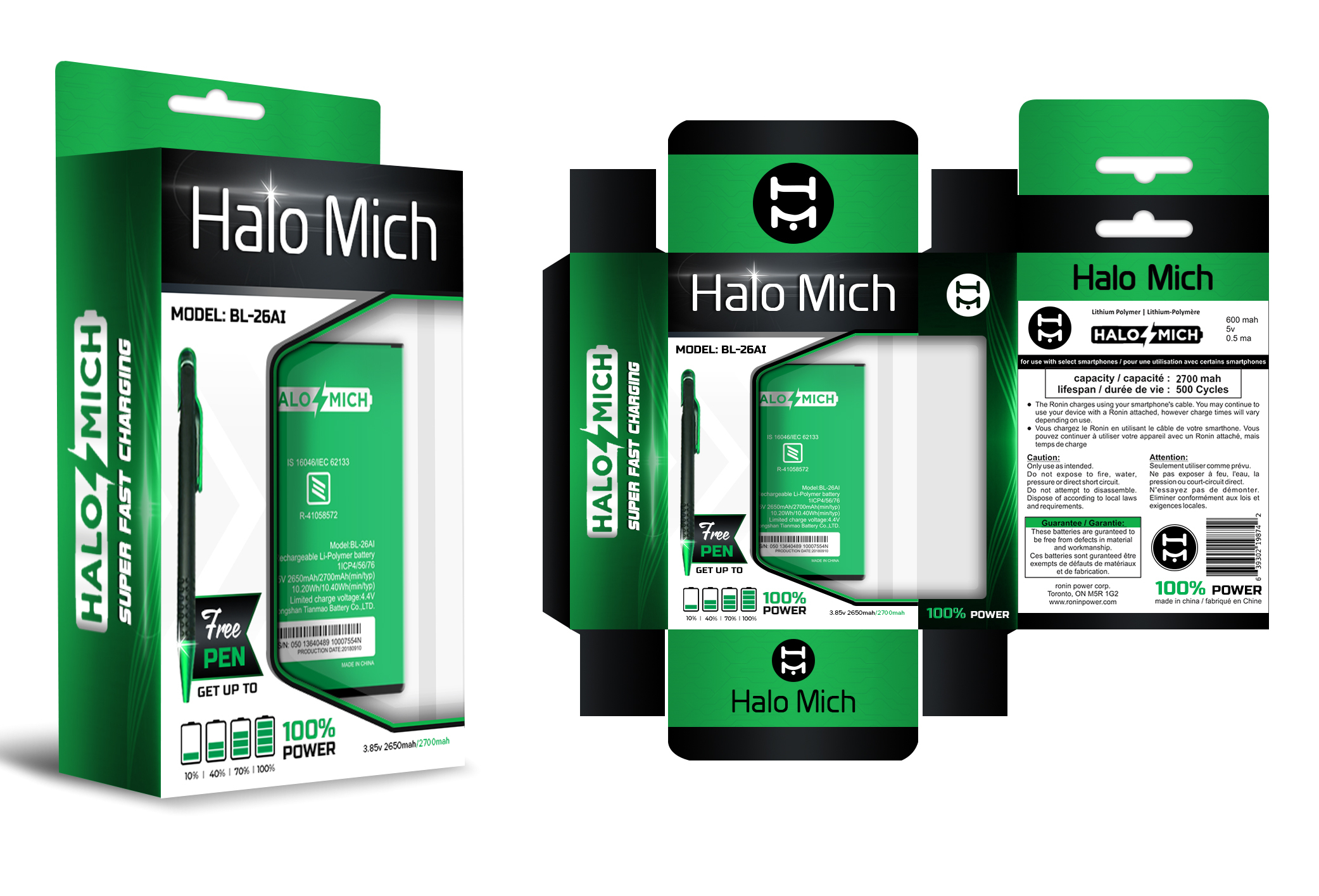
In modern battery design, the need to balance capacity and size has become more critical than ever. Whether it's for smartphones, electric vehicles, or other portable devices, the packaging of a battery plays a vital role in both performance and usability. A well-balanced design ensures optimal energy delivery without compromising space and functionality.
Understanding Battery Capacity vs. Physical Size
Battery capacity refers to the amount of charge a battery can hold. It is usually measured in milliamp-hours (mAh) or watt-hours (Wh). On the other hand, battery size involves the physical dimensions and weight of the battery. While a bigger battery might offer more power, it also takes up more space and adds weight.
One of the key challenges is fitting enough capacity into a small or limited space. This becomes especially important in compact electronic devices, where internal space is scarce. Designers must think carefully about how to maximize energy without making the device bulky or uncomfortable to handle.
In addition, larger batteries may generate more heat, which can reduce performance or even pose safety issues. Heat management solutions like insulation layers and thermal paste must be used, which further adds to the size and design complexity.
Also, different battery chemistries affect this balance. For instance, lithium-ion batteries provide a good power-to-size ratio, making them ideal for portable devices. However, even within lithium-ion types, variations in electrode material can affect how much capacity you can get in a given volume.
The goal is to find a sweet spot where the battery provides enough runtime without being too large. It involves collaboration between mechanical, electrical, and thermal engineers. Tools like 3D modeling and thermal simulation help in achieving a precise balance.
Importance of Application-Specific Design
Every device has its own power requirements and design limits. Therefore, battery packaging must be tailored to meet the needs of a specific application. A one-size-fits-all approach rarely works, especially when space is limited or performance expectations are high.
For example, in medical devices like portable monitors or insulin pumps, safety and compact size are more critical than maximum capacity. On the other hand, power tools might prioritize capacity over compactness because they need to deliver bursts of high power.
The operating environment also plays a key role. Devices exposed to extreme temperatures or constant movement need rugged and durable packaging. In such cases, the choice of materials, sealing techniques, and protective layers must be considered.
Designers often conduct usage pattern studies to understand how long a device typically operates between charges. These insights help them determine the minimum capacity needed. Then, they can work backward to design packaging that can safely house that capacity within the given physical limits.
Advanced simulations also help predict how the battery will behave over time. This enables better planning of internal structure, ventilation, and space allocation. As a result, the final product can offer better performance, longer life, and higher safety.
The Role of Material Selection in Packaging
Materials used in battery packaging have a direct impact on both size and capacity. Lightweight but durable materials like aluminum and high-grade plastics are commonly used. These help reduce bulk while still offering protection.
However, material choice isn't just about strength or weight. It also affects heat dissipation, insulation, and even electromagnetic interference (EMI) shielding. If poor materials are used, it can lead to overheating, short circuits, or reduced lifespan.
For example, aluminum offers excellent heat dissipation and is often used in high-performance battery packs. But it's heavier and more costly than plastic. On the other hand, polycarbonate plastics are lighter and cheaper but might not offer the same thermal performance.
The inner structure is equally important. Separator films, thermal pads, and insulation sheets must be carefully chosen and placed. These layers help manage heat and prevent internal short-circuits, allowing higher capacity to be packed in a smaller area safely.
In compact designs, every millimeter counts. Even a thin wall can impact the battery's overall size. Therefore, designers often perform stress tests to ensure thinner materials can withstand pressure without deforming or failing.
Managing Heat for Better Performance
Heat is one of the biggest enemies of battery performance. When a battery heats up, its efficiency drops. In worst-case scenarios, it can even become dangerous. Effective thermal management is crucial when trying to balance size and capacity.
Smaller packages tend to trap more heat, especially if there's no proper ventilation or cooling system. This becomes a serious challenge in tight spaces. The more you increase capacity in the same space, the more heat it will generate.
To solve this, engineers use heat-conductive materials, thermal pads, and heat sinks. These tools spread the heat across a wider area, reducing hot spots. However, they also take up space and add to the design complexity.
Placement of battery cells matters too. Arranging cells in a way that airflow can pass through helps in cooling. In some cases, designers may add micro-fans or vents, especially in high-capacity packs like those found in laptops or power tools.
In ultra-slim devices, designers must rely more on passive cooling. They use materials that pull heat away from the cells and distribute it across the outer shell. These small adjustments help maintain performance without making the device bigger.
Structural Design and Cell Arrangement
The physical arrangement of battery cells inside the pack is a critical design factor. Cells can be placed in different formats such as cylindrical, pouch, or prismatic. Each format has its own advantages and limitations.
Cylindrical cells are strong and easy to cool, but they take up more space. Pouch cells are flexible and thin, ideal for slim devices, but they require strong outer packaging for protection. Prismatic cells offer high capacity and are efficient in space usage but are harder to manage thermally.
Designers often choose cell types based on the shape of the device and power needs. The goal is to fill the internal space efficiently while maintaining safety and performance. Some designs use stacked cells; others use side-by-side configurations.
Interconnects and circuits also affect size. Compact circuitry must be used to connect the cells without adding too much bulk. Engineers must also plan for future expansion or easy replacements, especially in modular devices.
The supporting frame or holder must be strong but not bulky. It must absorb shocks and protect the cells during drops or impacts. All these elements together make structural design a key player in balancing size and capacity.
Safety Features Without Adding Bulk
Safety is non-negotiable in battery design, especially when high capacity is involved. However, adding safety features can increase size, which goes against the goal of compact packaging. The challenge lies in integrating safety without compromising form factor.
Modern batteries include multiple safety layers like thermal cut-offs, PTCs (positive temperature coefficient devices), and current limiters. These features protect against overheating, overcharging, and short circuits.
To keep these features compact, engineers now use smart chips and microcontrollers. These tiny components monitor temperature, voltage, and current in real-time. If any readings go beyond safe limits, the system shuts down or reduces output.
Fire-retardant coatings and internal separators made of ceramic are also used. They add minimal thickness but provide excellent safety. Some materials self-extinguish if exposed to high heat, reducing the risk of fire.
The placement of safety features also matters. By integrating them within the circuit board or between cell layers, designers can save space. Advanced manufacturing techniques like laser welding and precision bonding help keep everything tightly packed.
Trends in Miniaturization and Power Density
The push for smaller devices has led to major advances in battery miniaturization. Yet, consumers still expect longer battery life. This demand has driven innovations that improve power density—the amount of energy stored per unit volume.
Nanotechnology is one area making an impact. It allows for thinner electrodes and better energy flow, increasing capacity without making the battery bigger. Likewise, solid-state batteries are emerging as a strong alternative. They offer higher power density and improved safety, all in a smaller package.
Smart layering techniques are also helping. Engineers now build batteries with tightly layered structures that use every available millimeter. Advanced sealing and compression methods allow for thinner casings without compromising strength.
As technology evolves, battery packaging must keep up. This includes using thinner but stronger materials, flexible layouts, and even wireless charging integrations. All these contribute to a more powerful battery in a smaller body.
These trends are especially useful in the development of custom mobile battery packaging, where every millimeter counts. The focus on energy density and size reduction is helping designers create products that are both high-performing and sleek.
Optimizing for User Experience and Portability
Battery packaging affects not only technical performance but also user experience. If a battery is too large, it can make the device heavy or awkward to use. If it’s too small, the device might not last through the day.
Users care about how long a device lasts, how hot it gets, and how heavy it feels. All of these depend on how well the battery is packaged. A good design feels seamless. The user doesn’t even notice the battery—they just enjoy a smooth experience.
Devices like smartphones and tablets rely on slim, lightweight batteries. Packaging must be precise, down to the last millimeter. Portability is a top priority, and this demands a smart approach to balancing size with power.
Designers work closely with product teams to ensure the battery does not disrupt the device’s ergonomics. They use curved or tapered batteries to fit into unusual shapes. Materials are selected not just for strength but also for touch and feel.
Well-designed packaging improves reliability too. Devices are less likely to fail, overheat, or suffer from power-related issues. In the end, it all contributes to a better, safer, and longer-lasting product.
Balancing capacity and size in battery packaging is a complex yet essential process. It requires expertise in materials, structure, safety, and user experience. As devices continue to shrink and demand more power, the need for smarter packaging will only grow.
Conclusion
Finding the right balance between battery capacity and size is one of the most important aspects of modern battery packaging. Designers must consider a wide range of factors—energy needs, available space, heat management, safety, and user experience. Each decision, from material selection to cell arrangement, affects how well the battery performs and how compact it can be.
As technology moves forward, the demand for smaller yet more powerful batteries continues to grow. Innovations in materials, smart safety features, and compact layouts make it possible to meet these demands without compromise. Whether it's a smartphone, medical device, or wearable, the goal remains the same—deliver reliable power in the smallest space possible.
In many cases, this leads to the need for custom mobile battery packaging, where every detail is tailored to the specific use. A well-balanced battery design not only enhances performance but also improves the overall product experience. By carefully balancing capacity and size, manufacturers can create devices that are powerful, portable, and safe for everyday use.
Source Link: https://ibexpackaging.com/mobile-battery-packaging/

 English
 Arabic
 French
 Spanish
 Portuguese
 Deutsch
 Turkish
 Dutch
Dutch
 Italiano
 Russian
 Romaian
 Portuguese (Brazil)
