


 Pro Benefits
 About
About
 Terms
Terms
 Privacy
 Child Safety & Protection
 Notifications
 Ayrush Global It Services Pvt Ltd
Understanding Halal Lease and Shariah-Compliant Auto Agreements
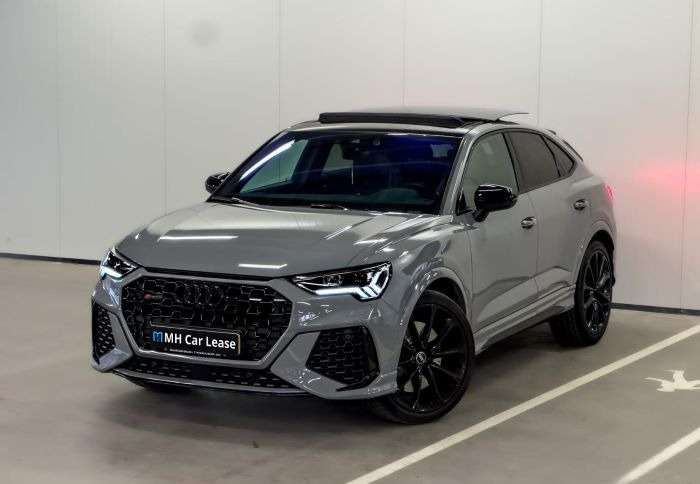
If you are exploring ways to finance a vehicle while staying true to Islamic principles, a halal lease is worth considering. My journey into understanding halal leasing began when I wanted to get my first car without compromising my beliefs. I realized that the traditional auto loans offered by most banks included interest, which is strictly forbidden in Shariah law. This led me to discover halal lease auto options, and through MH Car Lease, I was able to navigate this process with confidence.
Understanding Halal Lease and Its Principles
A halal lease follows Shariah guidelines, which means it avoids interest and ensures fairness between the lessor and lessee. In Islamic finance, this is often referred to as an Ijara contract, where the lease agreement allows a person to use a vehicle for a fixed period while paying rent that is compliant with Islamic law. Unlike traditional loans, the focus is on leasing an asset rather than borrowing money with interest.
For instance, when I first explored halal leasing, I noticed that the terms were clearly laid out, avoiding hidden fees that could contradict Shariah principles. The monthly payments were structured to cover the lease of the car, making it both predictable and ethical. This approach helped me stay aligned with my faith while still acquiring a vehicle I needed for work and personal errands.
How Halal Lease Auto Works
A halal lease auto works differently from conventional car loans. You do not technically own the vehicle until the lease ends. Instead, you pay for the right to use it while the leasing company retains ownership. The monthly payments are not interest but rent for the car's usage. This ensures compliance with Islamic law while providing the convenience of having a car.
In my experience with MH Car Lease, the process was straightforward. I selected the car I wanted, agreed on the lease terms, and the company explained every detail in simple language. This transparency made me feel secure and reassured that my leasing choice was halal.
Benefits of Choosing Halal Leasing
Halal leasing has several benefits beyond religious compliance. First, it provides predictable monthly payments without interest surprises. Second, it avoids the debt trap associated with conventional auto loans. Third, it aligns with ethical financial principles, which is increasingly important to many buyers.
Personally, I appreciated the flexibility halal leasing offered. I could choose the lease duration and plan my payments according to my budget. This level of control helped me manage my finances better while ensuring I adhered to my beliefs. Furthermore, companies like MH Car Lease provide expert guidance, making the entire experience seamless and stress-free.
Key Considerations Before Signing a Halal Lease
Before committing to a halal lease, it is crucial to understand all terms and conditions. Ensure the lease agreement specifies that the payments are for usage and not interest. Check for additional fees and confirm they are halal compliant. Also, consider the duration and end-of-lease options, including potential buyout possibilities if you want to own the vehicle later.
I remember initially feeling overwhelmed by the fine print. Reading through each section and discussing the details with a representative from MH Car Lease helped me feel confident in my decision. I even made a checklist of critical points, such as monthly rent, maintenance responsibility, and early termination rules, which made the process much easier to navigate.
Comparing Halal Lease and Conventional Auto Loans
When you compare halal leasing with conventional auto loans, the differences are clear. Conventional loans involve borrowing money and paying interest, which can accumulate significantly over time. Halal leasing, on the other hand, is interest-free, ensuring compliance with Shariah law. Payments cover the lease and are predictable, making budgeting easier.
I once explained my decision to a friend who questioned why I did not go for a traditional loan. I shared that halal lease auto options allowed me to avoid paying extra money as interest while staying true to my faith. Seeing the logic, he became curious about halal leasing for his next vehicle purchase.
Practical Tips for a Smooth Halal Leasing Experience
To get the most out of halal leasing, consider the following tips:
-
Work with reputable companies like MH Car Lease that specialize in Shariah-compliant leases.
-
Carefully review the lease agreement and ask questions about any unclear terms.
-
Understand maintenance and insurance responsibilities.
-
Plan your budget to ensure consistent monthly payments.
-
Explore end-of-lease options early to avoid surprises.
Following these steps helped me avoid common pitfalls and made my halal leasing experience smooth. I also learned that having open communication with the leasing company ensures transparency and trust, which is essential when dealing with financial agreements.
Real-Life Experiences With Halal Leasing
Sharing personal experiences can make complex topics more relatable. For instance, during my first week with my leased vehicle, I realized the importance of understanding insurance coverage and regular maintenance. The team at MH Car Lease guided me through the process, helping me schedule services and clarify insurance details.
Additionally, I met others who were also exploring halal leasing. We shared stories about navigating contracts, negotiating terms, and ensuring Shariah compliance. These interactions reinforced my belief that halal leasing is not just about following religious rules but also about responsible and ethical financial decisions.
The Future of Halal Lease in Auto Financing
Halal lease options are gaining traction as more people seek ethical and Shariah-compliant financial solutions. Auto manufacturers and leasing companies are increasingly offering products tailored to this market, providing greater accessibility and transparency.
I believe the growth of halal leasing reflects a broader trend towards ethical finance. It shows that consumers are prioritizing not just convenience but also alignment with their values. MH Car Lease is at the forefront of this movement, helping clients like me access vehicles without compromising on faith or financial integrity.
Common Misconceptions About Halal Leasing
Some people think halal leasing is overly complicated or expensive. In reality, it can be as simple as conventional leasing if you work with the right company. Another misconception is that you cannot own the vehicle, but most halal lease agreements offer end-of-lease purchase options.
I faced similar concerns initially, fearing the process would be complex. However, by engaging with MH Car Lease and understanding the terms, I realized it was straightforward. The transparency and guidance made the entire experience manageable and even enjoyable.
Conclusion
Exploring a halal lease is not just a financial decision but a commitment to ethical and religious principles. Through my experience, I learned that halal leasing offers a practical, compliant, and flexible alternative to conventional auto loans. Companies like MH Car Lease make it easy to navigate the process, ensuring your lease aligns with Shariah law.
Choosing halal lease auto options allows you to enjoy the convenience of having a vehicle while staying true to your values. By understanding the principles, reviewing agreements carefully, and planning your finances, you can make a responsible and fulfilling choice. My journey with halal leasing has been both practical and enlightening, and I hope sharing it helps you make informed decisions about your own vehicle financing.

 Arabic
 French
 Spanish
 Portuguese
 Deutsch
 Turkish
 Dutch
Dutch
 Italiano
 Russian
 Romaian
 Portuguese (Brazil)
 Greek
Greek
