Massage therapy is widely recognized for its benefits in relaxation, stress reduction, and physical wellness. However, not all massages work in the same way. A Lymphatic Drainage Massage focuses specifically on stimulating the lymphatic system to improve circulation, reduce swelling, and support detoxification, while traditional massages such as Swedish or deep tissue primarily target muscles to relieve tension and soreness. Understanding the differences between these approaches helps individuals choose the right therapy for their unique health goals.
What Is Lymphatic Drainage Massage:
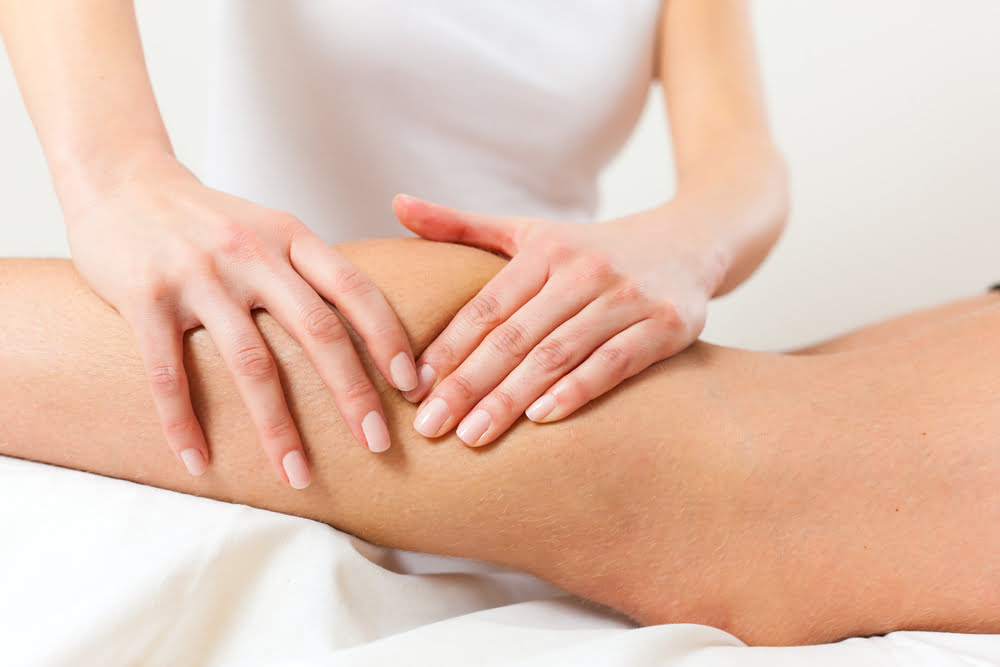
Lymphatic Drainage Massage is a gentle, precise therapy that encourages lymph flow throughout the body. Key characteristics include:
-
Uses light, rhythmic strokes along lymphatic pathways
-
Stimulates lymph nodes to promote detoxification and fluid balance
-
Reduces swelling and helps with conditions like lymphedema
-
Supports immune system function by enhancing lymph circulation
-
Focuses on the flow of lymph rather than muscle manipulation
This specialized technique is designed to optimize the body’s natural cleansing processes.
What Is Traditional Massage:
Traditional massages, including Swedish, deep tissue, and sports massage, primarily focus on muscles, tendons, and ligaments. Key points include:
-
Uses varying levels of pressure to release muscle tension
-
Promotes relaxation and relieves stress
-
Helps with pain management and flexibility improvement
-
Can include techniques like kneading, friction, and stretching
-
Focused more on muscular and connective tissue health rather than lymphatic function
Traditional massage addresses muscular discomfort and promotes general relaxation.
Purpose and Benefits of Lymphatic Massage:
The primary goal of a lymphatic massage is to support the lymphatic system and overall wellness. Key benefits include:
-
Reduction of fluid retention and edema
-
Enhanced immune system function
-
Improved detoxification by removing cellular waste
-
Relief from puffiness and bloating
-
Support for post-surgical recovery or chronic swelling
This approach is ideal for those looking to improve circulation, detoxify naturally, and maintain overall health.
Purpose and Benefits of Traditional Massage:
Traditional massages aim to relieve muscular tension and improve physical performance. Benefits include:
-
Reduction of muscle soreness and stiffness
-
Increased flexibility and range of motion
-
Improved blood circulation to muscles
-
Stress relief and relaxation
-
Support for athletic recovery and injury prevention
While traditional massage helps with muscle health, it doesn’t directly target the lymphatic system.
Techniques Used in Lymphatic Drainage Massage:
Lymphatic Drainage Massage uses specialized methods distinct from conventional massage. Techniques include:
-
Light, rhythmic, and precise strokes along lymphatic pathways
-
Circular movements over lymph nodes to facilitate fluid drainage
-
Gentle pumping motions to move lymph throughout the body
-
Slow, methodical strokes designed to avoid tissue trauma
The techniques focus on stimulating lymph flow rather than deep muscle manipulation.
Techniques Used in Traditional Massage:
Traditional massage techniques vary depending on the type but generally involve deeper pressure and muscle manipulation. Techniques include:
-
Kneading, rolling, and stretching of muscles
-
Friction to relieve tightness and adhesions
-
Percussive or tapping movements to stimulate blood flow
-
Deep pressure applications for chronic muscle tension
These techniques target muscles, tendons, and fascia, rather than the lymphatic system.
Safety Considerations for Lymphatic Massage:
Lymphatic Drainage Massage is generally safe but requires precautions. Considerations include:
-
Avoiding massage in areas of acute infection or inflammation
-
Consulting a healthcare provider for heart, kidney, or clotting conditions
-
Using a trained professional to ensure proper technique
-
Gentle pressure to prevent tissue irritation or bruising
Following these precautions ensures the therapy supports lymphatic function safely.
Safety Considerations for Traditional Massage:
Traditional massage is also safe when performed by a trained therapist, but precautions include:
-
Avoiding deep pressure over areas with fractures, bruises, or open wounds
-
Consulting a physician if you have certain medical conditions such as blood disorders or severe osteoporosis
-
Communicating discomfort during the session to prevent injury
-
Adjusting pressure and technique based on individual tolerance
Proper guidance ensures a safe and effective therapeutic experience.
Frequency and Maintenance Differences:
The recommended frequency of sessions varies based on the type of massage and individual needs. Guidelines include:
-
Lymphatic Drainage Massage: 1–2 times per week for acute swelling, monthly for maintenance
-
Traditional Massage: weekly or biweekly for muscle tension relief or athletic recovery
-
Combining sessions with hydration, light exercise, and a balanced diet enhances results
-
Customization of frequency based on lifestyle, health goals, and medical advice
Consistency is important for both therapies, but goals and outcomes dictate the approach.
Complementary Benefits of Lymphatic and Traditional Massage:
Both massage types can contribute to overall wellness, though in different ways:
-
Lymphatic Drainage Massage: detoxification, fluid balance, immune support
-
Traditional Massage: muscle relaxation, stress reduction, improved mobility
-
Both promote circulation, relaxation, and a sense of well-being
-
Combining therapies can provide holistic benefits for both lymphatic and muscular health
Understanding their distinct and complementary effects helps tailor treatment plans effectively.
Final Thoughts:
While both Lymphatic Drainage Massage and traditional massage offer unique health benefits, they serve different purposes. Lymphatic massage is specifically designed to stimulate the lymphatic system, supporting detoxification, immune function, and fluid balance. Traditional massage focuses on relieving muscle tension, improving flexibility, and promoting relaxation. By understanding the differences and benefits of each, individuals can choose the right therapy for their goals or even integrate both for a holistic approach to wellness. Incorporating Lymphatic Drainage Massage into a regular wellness routine can enhance the body’s natural cleansing processes, while traditional massage can support physical comfort and relaxation, creating a balanced and comprehensive approach to health.



 Pro Benefits
 About
About
 Terms
Terms
 Privacy
 Child Safety & Protection
 Notifications
 Ayrush Global It Services Pvt Ltd
 English

 Arabic
 French
 Spanish
 Portuguese
 Deutsch
 Turkish
 Dutch
Dutch
 Italiano
 Russian
 Romaian
 Portuguese (Brazil)
 Greek
Greek