Introduction to the Chakra System
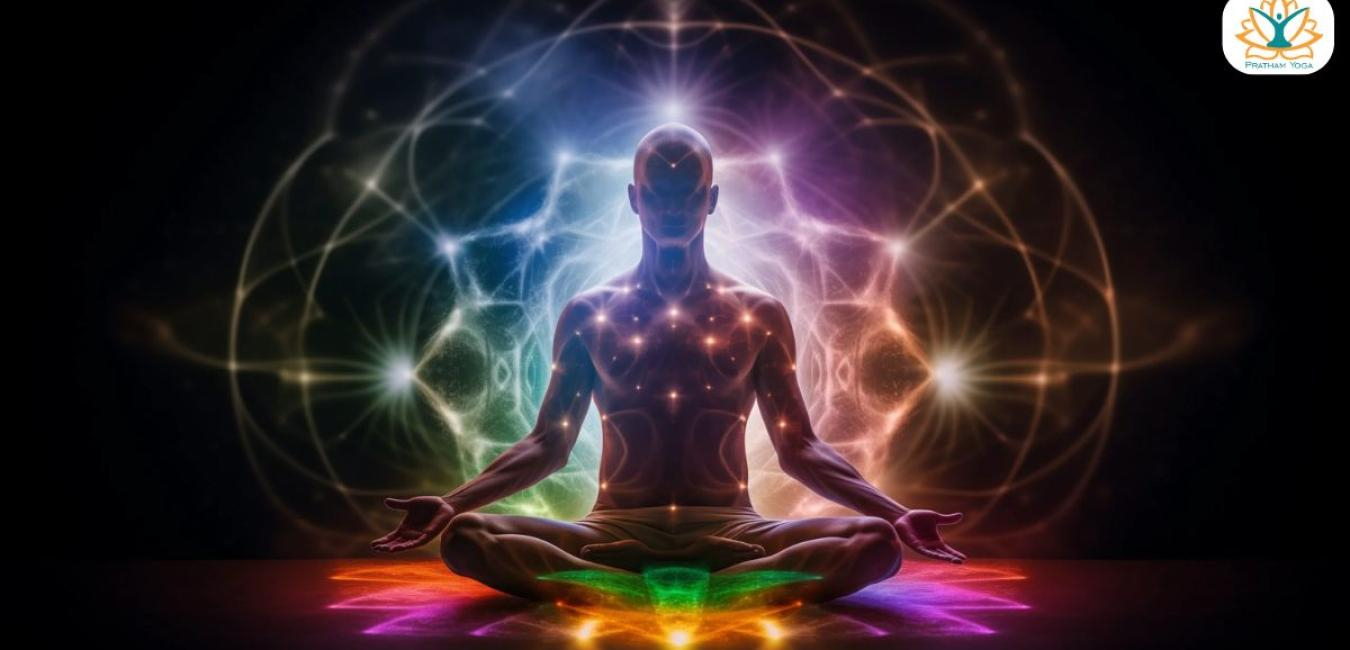
The chakra system is an ancient framework that explains how energy flows through the human body on a subtle level. Rooted in yogic and spiritual traditions, chakras are believed to influence physical health, emotional stability, mental clarity, and spiritual growth. Understanding this system allows individuals to become more aware of their inner state and create harmony between mind, body, and consciousness. Among all chakra teachings, one of the most commonly asked questions is What are the Seven Chakras, as these form the foundation of the entire system.
What are the Seven Chakras
What are the Seven Chakras is a question that leads to understanding the seven main energy points aligned along the spine, from its base to the crown of the head. Each chakra governs specific physical areas, emotions, psychological patterns, and spiritual qualities. When these chakras are balanced, energy flows freely, supporting overall well-being. When blocked or overactive, imbalances may arise, affecting different aspects of life.
The seven chakras are traditionally named Root, Sacral, Solar Plexus, Heart, Throat, Third Eye, and Crown. Each one carries a unique vibration, color, element, and purpose, contributing to personal growth and self-awareness.
Root Chakra: Foundation of Stability
The Root Chakra is located at the base of the spine and represents grounding, survival, and a sense of security. It is closely associated with basic needs such as safety, shelter, and trust in life. When this chakra is balanced, individuals feel stable, confident, and connected to the earth. An imbalance may manifest as fear, anxiety, or a constant sense of instability.
This chakra forms the foundation of the entire energy system, as higher chakras rely on the strength and balance of the Root Chakra to function effectively.
Sacral Chakra: Center of Creativity and Emotion
Situated just below the navel, the Sacral Chakra governs creativity, emotions, pleasure, and relationships. It influences how individuals experience joy, intimacy, and emotional expression. A balanced Sacral Chakra allows creativity to flow naturally and supports healthy emotional connections.
When this chakra is blocked, people may feel emotionally numb or creatively stuck. When overstimulated, it may lead to emotional dependency or lack of boundaries.
Solar Plexus Chakra: Source of Personal Power
The Solar Plexus Chakra is located in the upper abdomen and is associated with self-esteem, confidence, and personal identity. It plays a key role in decision-making, motivation, and inner strength. A balanced Solar Plexus Chakra supports clarity, discipline, and a strong sense of purpose.
Imbalances in this chakra can lead to self-doubt, lack of direction, or excessive need for control, making it essential for personal empowerment and self-respect.
Heart Chakra: Bridge Between Body and Spirit
Located at the center of the chest, the Heart Chakra represents love, compassion, empathy, and emotional balance. It acts as a bridge between the lower physical chakras and the higher spiritual chakras. When open and balanced, it allows individuals to give and receive love freely.
Heart Chakra imbalances may result in emotional withdrawal, fear of vulnerability, or difficulty forming meaningful connections, emphasizing the importance of emotional healing and forgiveness.
Throat Chakra: Expression and Truth
The Throat Chakra governs communication, self-expression, and authenticity. Positioned at the throat, it influences how clearly individuals express thoughts, emotions, and truth. A balanced Throat Chakra supports honest communication and active listening.
When blocked, individuals may struggle to express themselves or fear speaking up. When overactive, it may lead to excessive talking without mindful communication.
Third Eye Chakra: Intuition and Awareness
The Third Eye Chakra is located between the eyebrows and is linked to intuition, insight, and inner wisdom. It governs perception beyond the physical senses and supports imagination, clarity, and awareness. A balanced Third Eye Chakra enhances intuition and the ability to see situations clearly.
Imbalances may cause confusion, lack of focus, or disconnection from intuition, highlighting the role of mindfulness and inner observation.
Crown Chakra: Connection to Higher Consciousness
The Crown Chakra sits at the top of the head and represents spiritual connection, awareness, and unity. It is associated with higher consciousness and the understanding of life beyond the ego. When balanced, it fosters peace, clarity, and a sense of purpose.
A blocked Crown Chakra may lead to feelings of isolation or lack of meaning, while balance encourages trust in the flow of life and spiritual growth.
Why Understanding the Seven Chakras Matters
Learning what are the Seven Chakras helps individuals understand how emotional, physical, and spiritual aspects of life are interconnected. Chakra awareness encourages self-reflection, balance, and mindful living. Rather than focusing only on symptoms, this system looks at the root causes of imbalance, supporting holistic personal development.
Conclusion
The chakra system offers a powerful map for understanding inner energy and personal transformation. By exploring what are the Seven Chakras, individuals gain insight into their emotions, behaviors, and spiritual path. When awareness is combined with mindful practices, the chakras can support balance, clarity, and a deeper connection to oneself, leading to a more harmonious and conscious way of living.



 Pro Benefits
 Σχετικά
 Όρους
Όρους
 Ιδιωτικότητα
 Child Safety & Protection
 Ειδοποιήσεις
 Ayrush Global It Services Pvt Ltd

 English
 Arabic
 French
 Spanish
 Portuguese
 Deutsch
 Turkish
 Dutch
Dutch
 Italiano
 Russian
 Romaian
 Portuguese (Brazil)
