


 Pro Benefits
 Sobre
Sobre
 Termos
 Privacidade
 Child Safety & Protection
 Notificações
 Ayrush Global It Services Pvt Ltd
Understanding Well Testing Services: The Key to Efficient Oil & Gas Exploration
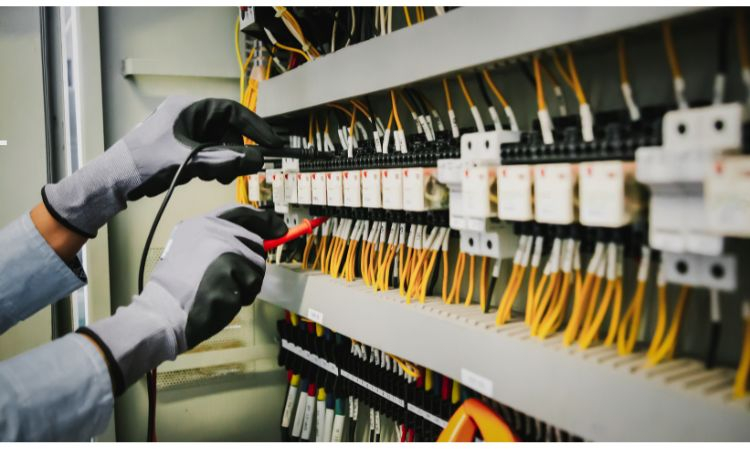
The oil and gas industry is built on the foundation of exploration and extraction. To ensure the success of these operations, well testing services play a pivotal role. Well testing involves evaluating the performance of oil and gas wells, ensuring that they operate efficiently and safely. As the demand for energy grows globally, the need for accurate and reliable well testing becomes even more crucial. In this blog, we’ll dive deep into the well testing services market report exploring its importance, key services offered, trends, and growth factors.
What is Well Testing?
Well testing is a specialized service that helps to assess the production potential of oil and gas wells. It involves measuring various parameters, such as flow rate, pressure, temperature, and the composition of fluids from the well. This data is vital for determining how much a well can produce, ensuring its optimal performance, and evaluating its commercial viability.
Well testing also plays a crucial role in:
-
Identifying reservoir characteristics.
-
Ensuring well integrity.
-
Assessing equipment performance.
-
Optimizing reservoir management and well life cycles.
These services are essential during the initial drilling phase, as well as for periodic assessments during the well's lifecycle.
Key Drivers of the Well Testing Services Market
1. Growing Demand for Energy
The rising global demand for oil and gas, driven by industrialization, population growth, and energy consumption, is one of the most significant drivers of the well testing services market. As exploration and production (E&P) companies aim to maximize output from existing wells, the need for efficient and precise testing services increases.
2. Advancements in Technology
Technological innovations are reshaping the well testing services landscape. Advanced tools, like real-time data monitoring, automated testing systems, and more accurate sensors, help streamline the testing process. This technological shift has made well testing more efficient, reducing operational costs and improving safety, thus attracting more companies to invest in these services.
3. Increasing Investment in Exploration and Production
With the world’s energy demands growing, oil and gas companies are exploring new fields and deeper reservoirs, leading to increased investment in exploration and production activities. This directly boosts the demand for well testing services, as it is crucial for evaluating the viability of new projects.
4. Need for Regulatory Compliance
Well testing is not just about operational efficiency—it’s also a requirement to meet local and international regulations. Governments and regulatory bodies mandate testing to ensure safety standards are met, making well testing an unavoidable service for companies in the oil and gas industry.
Types of Well Testing Services
1. Production Testing
Production testing is designed to evaluate the production capacity of a well. This service is crucial in the early stages of a well's lifecycle, allowing companies to understand the flow rate and pressure at which the well can produce hydrocarbons. It helps determine the economic viability of a well and informs future development strategies.
2. Formation Testing
Formation testing is a critical service that involves assessing the properties of the rock and fluid formations around the well. By analyzing these factors, operators can better understand the reservoir and its potential. This service is vital for optimizing recovery rates and planning further drilling or completion activities.
3. Drill Stem Testing (DST)
Drill stem testing is a method used to evaluate the pressure, temperature, and fluid properties of a well while drilling. This service allows companies to gather valuable data about the reservoir without completing the well. DST is commonly used in the exploration phase of oil and gas projects.
4. Well Integrity Testing
Well integrity testing ensures that the well’s casing, tubing, and other components are intact and secure. This testing is essential to prevent leaks, blowouts, and other safety hazards. It is crucial throughout the well’s life cycle to ensure the well’s reliability and prevent environmental risks.
5. Reservoir Testing
Reservoir testing helps to assess the health and characteristics of the reservoir. By evaluating factors like pressure and fluid composition, companies can identify issues such as declining reservoir performance, which may require intervention to restore optimal production.
Well Testing Market Trends
1. Shift Toward Automation
Automation is rapidly gaining traction in the well testing services sector. Automated testing systems reduce the need for manual intervention, lower the risk of human error, and provide more accurate and consistent results. This shift is improving the efficiency and reliability of testing services, benefiting both operators and service providers.
2. Focus on Environmental Safety
As environmental concerns rise, the oil and gas industry is under increasing pressure to adopt sustainable practices. Well testing services play a crucial role in minimizing environmental risks. By ensuring well integrity and monitoring for any leaks or issues, these services help mitigate the environmental impact of oil and gas operations.
3. Integration of Data Analytics
The integration of data analytics into well testing is transforming the industry. Real-time data collection and advanced analytics allow operators to make more informed decisions. This leads to better management of reservoirs, optimized well performance, and enhanced recovery rates.
4. Expansion in Emerging Markets
Emerging markets, especially in Africa, Asia, and Latin America, are seeing increased investments in oil and gas exploration. This expansion is driving the demand for well testing services, as new and unexplored wells require rigorous testing to ensure safety and productivity.
Market Challenges
While the well testing services market is growing, it faces several challenges:
-
High Operational Costs: Well testing can be expensive, especially when dealing with complex wells and deep-water projects. High operational costs may deter some companies from investing in advanced testing services.
-
Environmental and Safety Concerns: Despite technological advancements, well testing involves risks related to environmental pollution and safety hazards. Companies must adhere to strict safety protocols to minimize these risks.
-
Skill Shortage: The oil and gas industry faces a shortage of skilled labor in specialized areas like well testing. Training and retaining skilled professionals is crucial to maintaining high-quality services.
Future Outlook
The well testing services market is poised for significant growth. With technological advancements improving efficiency and the continued global demand for oil and gas, well testing services will remain a critical part of the exploration and production process. Companies that adopt automation, leverage data analytics, and focus on environmental safety will likely thrive in the coming years.
FAQs About Well Testing Services
What is the purpose of well testing services?
Well testing services assess the performance of oil and gas wells by measuring parameters like flow rate, pressure, and fluid composition. These services help operators optimize production, maintain well integrity, and ensure regulatory compliance.
What types of well testing services are available?
Well testing services include production testing, formation testing, drill stem testing (DST), well integrity testing, and reservoir testing. Each service provides unique insights into the well’s performance and helps optimize its output.
Why is well integrity testing important?
Well integrity testing ensures that a well’s components, like casing and tubing, are secure and leak-free. This testing is essential for preventing accidents like blowouts and environmental contamination, ensuring the safety of operations.
How is automation impacting well testing services?
Automation is improving the efficiency and reliability of well testing services. Automated systems reduce human error, provide more accurate results, and streamline the testing process, making it cost-effective and faster.

 English
 Arabic
 French
 Spanish
 Deutsch
 Turkish
 Dutch
Dutch
 Italiano
 Russian
 Romaian
 Portuguese (Brazil)
 Greek
Greek
