


 Pro Benefits

 الشروط
 الخصوصية
 Child Safety & Protection
 الإشعارات
 Ayrush Global It Services Pvt Ltd
Creating Safer Buildings Through Environmental Abatement Services
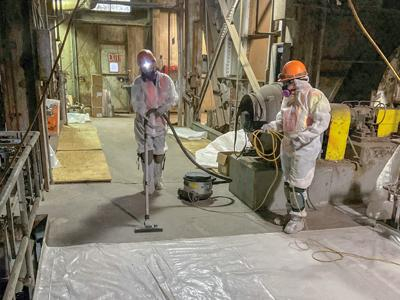
Buildings are meant to provide safety, comfort, and long-term value, but hidden environmental hazards can compromise all three. Many residential and commercial properties contain materials or conditions that pose serious health and structural risks if left unaddressed. Professional environmental abatement services play a crucial role in identifying, controlling, and eliminating these hazards, ensuring that indoor spaces remain safe, compliant, and suitable for occupancy.
Through proper assessment and abatement planning, specialists help property owners reduce exposure to toxic substances while meeting strict regulatory requirements. With the support of licensed abatement professionals, hazardous materials can be safely removed, contained, or encapsulated, protecting occupants and preserving the integrity of the building.
Common Environmental Hazards in Properties
Environmental hazards are often hidden behind walls, ceilings, or flooring, making them difficult to detect without professional evaluation. Older buildings, in particular, may contain asbestos-containing materials, lead-based paint, or outdated insulation products that are now recognized as health risks. Water intrusion and humidity can also contribute to mold growth, while certain commercial or industrial properties may contain chemical contaminants.
In residential properties, these hazards can negatively affect indoor air quality and pose health risks to families, especially children and individuals with respiratory sensitivities. In commercial buildings, environmental hazards can impact employee health, tenant satisfaction, and regulatory compliance. Early identification and abatement help prevent long-term damage and costly complications.
Overview of Environmental Abatement Services
Environmental abatement services are designed to safely manage and reduce exposure to hazardous materials within buildings. The process typically begins with inspections, surveys, and testing to identify hazardous substances and evaluate their condition. Based on these findings, a controlled abatement plan is developed in accordance with regulatory guidelines.
Abatement services may include containment, encapsulation, enclosure, or complete removal of hazardous materials. Specialized equipment and industry-approved methods are used to prevent the release of harmful fibers, dust, or vapors during the process. All hazardous waste is handled and disposed of according to environmental regulations.
In some situations, specialty construction or controlled demolition is required to access and abate affected materials safely. These services are applicable to a wide range of properties, including homes, offices, schools, healthcare facilities, and industrial buildings.
Importance of Licensing and Regulatory Compliance
Handling hazardous materials requires extensive training and strict adherence to safety standards. Environmental abatement is a highly regulated field, and professionals must hold appropriate certifications and licenses to perform this work legally and safely. Regulatory compliance ensures that hazardous substances are managed responsibly and that exposure risks are minimized for occupants and workers.
For commercial property owners, compliance is especially critical. Improper abatement can result in regulatory violations, fines, legal liability, and project delays. Working with qualified and licensed abatement professionals helps mitigate these risks while ensuring all work meets applicable safety and environmental standards.
Health and Safety Benefits
One of the most significant benefits of environmental abatement is improved health and safety. Removing or properly controlling hazardous materials reduces the risk of respiratory issues, allergic reactions, and long-term health conditions associated with toxic exposure. Cleaner indoor environments support better air quality and overall well-being.
In commercial settings, safer buildings contribute to healthier work environments, improved employee productivity, and fewer disruptions related to environmental concerns. For residential properties, abatement provides peace of mind by ensuring that living spaces are free from hidden dangers that could affect family members.
Protecting Property Value
Environmental hazards can significantly reduce a property’s value and marketability. Buyers, tenants, and investors are increasingly aware of environmental risks and often require confirmation that hazardous materials have been properly addressed. Properties with unresolved issues may be harder to sell or lease.
Professional abatement restores confidence by demonstrating that a building meets safety and environmental standards. By addressing hazards proactively, property owners can protect their investment and, in many cases, enhance long-term value. Abated properties are easier to renovate, transfer ownership, or prepare for future use.
Cost Savings and Long-Term Benefits
Although abatement may appear to be a major undertaking, it often results in long-term cost savings. Addressing hazardous materials early helps prevent structural deterioration, ongoing contamination, and emergency repairs that can be significantly more expensive. Proper abatement also reduces the likelihood of regulatory penalties and liability claims.
For businesses, minimizing environmental risks helps maintain uninterrupted operations and avoids unexpected shutdowns. Homeowners benefit from reduced maintenance issues and safer living conditions over time.
Environmental Responsibility and Sustainability
Environmental abatement supports environmental responsibility by ensuring hazardous materials are handled and disposed of properly. Correct containment and disposal prevent toxic substances from contaminating surrounding soil, air, or water systems, protecting both the property and the surrounding community.
Many abatement projects incorporate responsible practices that minimize waste and support safe redevelopment. These efforts help ensure that buildings can be renovated, repurposed, or occupied without posing environmental or health risks.
Creating Safer Spaces for the Future
Environmental hazards do not have to be permanent obstacles. With professional assessment, careful planning, and licensed execution, buildings can be transformed into safe and compliant spaces. Environmental abatement and specialty construction professionals play a vital role in protecting occupants, preserving property value, and maintaining regulatory compliance.
As awareness of indoor environmental safety continues to grow, investing in proper abatement is an essential step toward safer residential and commercial properties and a healthier future for all.

 English
 French
 Spanish
 Portuguese
 Deutsch
 Turkish
 Dutch
Dutch
 Italiano
 Russian
 Romaian
 Portuguese (Brazil)
 Greek
Greek
