


 Pro Benefits
 О нас
О нас
 Условия использования
 Конфиденциальность
 Child Safety & Protection
 Оповещения
 Ayrush Global It Services Pvt Ltd
Moisture Meter | A Complete Guide to Accurate Moisture Testing for Construction and Industrial Use
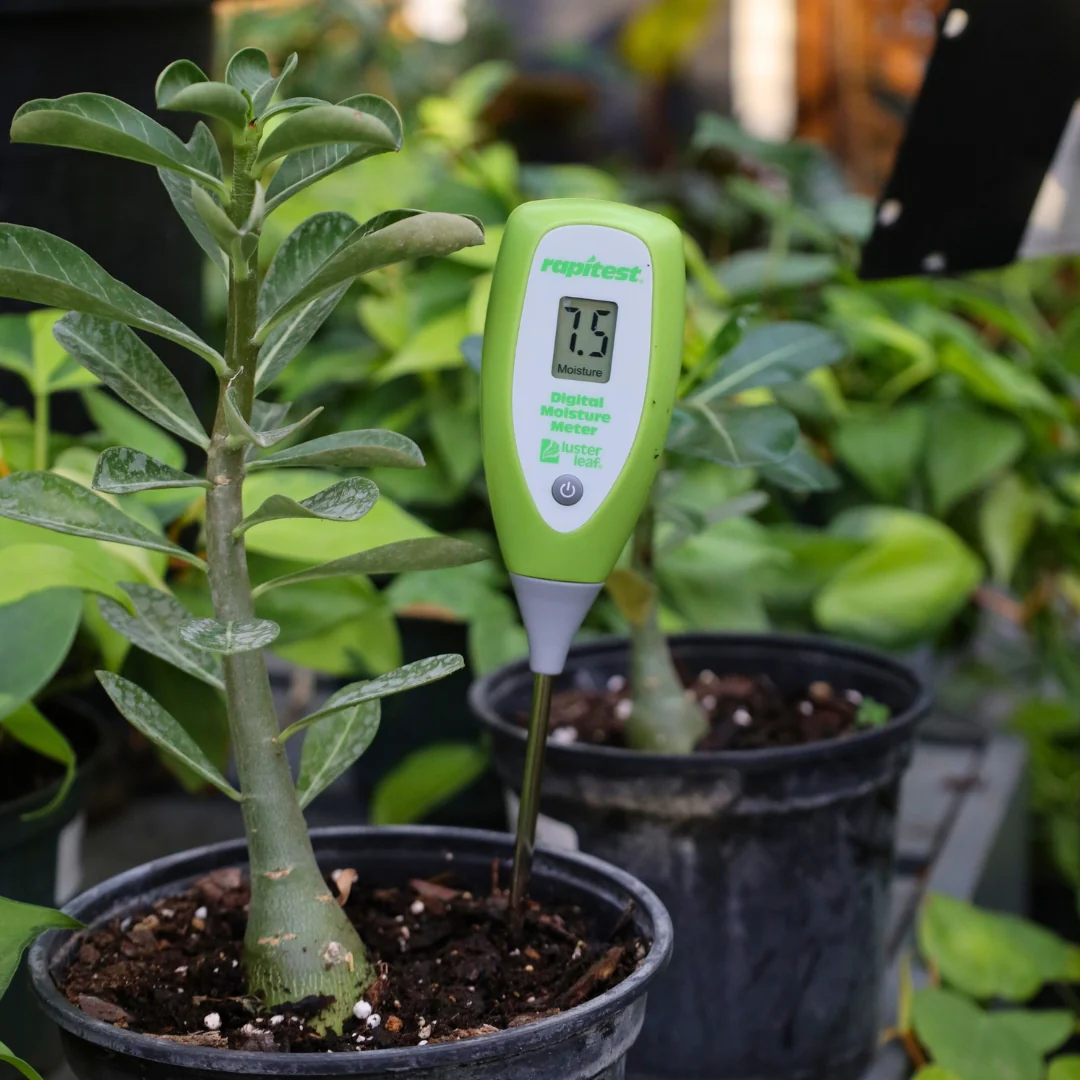
Moisture might seem harmless at first glance, but hidden water inside materials can quietly cause serious damage over time. From cracked wooden floors and peeling paint to mold growth and weakened structures, excess moisture is often the root cause of expensive repairs and safety issues. Whether you are working in construction, farming, manufacturing, or home maintenance, understanding moisture levels is critical for long-term success.
This is where a Moisture meter becomes an essential tool. Instead of guessing or relying on visual signs, professionals use reliable instruments to measure moisture accurately and make informed decisions. With quick readings and easy operation, these devices help prevent damage before it starts.
In this comprehensive article, we will explore how moisture measurement works, why it matters, and how this small but powerful tool supports quality control across many industries.
Understanding the Impact of Moisture
Water plays an important role in many natural processes, but too much of it can harm materials. Wood absorbs moisture from the air and expands, then shrinks when it dries. This constant movement can cause warping, splitting, and structural weakness. Concrete with high moisture content can lead to adhesive failures or flooring problems. Stored grain with excess water may develop mold and spoil.
Often, these issues remain invisible until it is too late. By the time signs appear, repairs can be costly and time-consuming. That is why proactive testing is so important. Using a Moisture meter allows users to identify problems early and take corrective action before damage occurs.
What Is a Moisture Meter?
A Moisture meter is a portable electronic device designed to measure the amount of water content inside various materials. It provides readings that show whether moisture levels are safe or excessive. Most meters display results as percentages or numerical scales that are easy to interpret.
These devices are compact, lightweight, and suitable for on-site testing. Instead of sending samples to a laboratory, users can get instant results within seconds. This convenience makes moisture meters a popular choice for professionals who need fast and accurate data.
Because of their versatility, they are used in construction, woodworking, agriculture, restoration, and many other fields.
How Moisture Measurement Works
Moisture detection relies on changes in electrical properties. Water conducts electricity differently than dry materials. By measuring electrical resistance or electromagnetic signals, the device calculates the moisture content.
There are two main testing methods. Pin-type meters use small probes inserted into the material to measure resistance. This provides deep and precise readings. Pinless meters use sensors that scan surfaces without causing damage, which is ideal for finished products.
Both approaches allow a Moisture meter to provide dependable results depending on the situation and material being tested.
Types of Moisture Meters
Different applications require different designs. Understanding the available types helps you choose the right tool.
Wood meters are commonly used by carpenters and furniture makers. They ensure timber is properly dried before installation or crafting.
Concrete meters help contractors verify that slabs are ready for flooring or coatings.
Soil meters assist farmers in managing irrigation and crop health.
Grain meters are used to check moisture in stored crops to prevent spoilage.
Each type of Moisture meter is calibrated specifically for its intended purpose to ensure accuracy and reliability.
Use in Construction and Building Projects
Construction professionals rely heavily on moisture testing to maintain quality and durability. Installing materials without checking moisture levels can lead to failures later. Damp walls can encourage mold growth, while wet floors may cause adhesives to lose strength.
Before applying finishes or coverings, contractors test surfaces carefully. This ensures proper bonding and prevents costly callbacks. Regular use of a Moisture meter improves project outcomes and reduces long-term maintenance issues.
It also supports safety by identifying hidden moisture that could weaken structural components.
Applications in Agriculture
Farmers and agricultural workers depend on accurate moisture monitoring to protect crops and improve productivity. Soil that is too dry stresses plants, while overly wet conditions may damage roots and reduce yields.
Monitoring grain storage is equally important. High moisture levels can promote mold and insect infestations, leading to product loss. By using a Moisture meter, farmers can maintain optimal conditions and protect their harvests.
This small device helps ensure better quality and higher profits.
Benefits of Using a Moisture Meter
There are many advantages to using a dedicated moisture testing tool. First, it provides instant results, saving valuable time. Second, it helps prevent costly damage by detecting issues early. Third, it improves accuracy compared to visual inspection alone.
Another benefit is portability. Users can carry the device anywhere and perform tests quickly. Additionally, modern meters offer digital displays and memory features that simplify record-keeping.
These advantages make a Moisture meter a smart investment for both professionals and homeowners.
How to Choose the Right Device
Selecting the right meter depends on your needs. Consider the materials you will test most frequently. For example, woodworkers may prefer pin-type models for deeper readings, while inspectors may choose pinless designs to avoid surface damage.
Look for features such as easy calibration, clear displays, and strong build quality. Accuracy ratings and measurement ranges are also important factors. A dependable Moisture meter should provide consistent results even under tough working conditions.
Choosing wisely ensures better performance and long-term reliability.
Best Practices for Accurate Testing
Getting accurate results requires proper technique. Always take multiple readings across different areas rather than relying on a single measurement. This gives a more complete picture of moisture distribution.
Avoid testing immediately after rainfall or cleaning, as surface water may affect readings. Allow the material to stabilize first. Keep probes clean and ensure good contact with the surface.
Using these practices helps your Moisture meter deliver precise and trustworthy information.
Maintenance and Care Tips
Proper maintenance keeps your device working efficiently. Store it in a dry place and protect it from extreme temperatures. Replace batteries regularly and check calibration when needed.
Clean probes gently after use and avoid dropping the device. With simple care, a Moisture meter can provide accurate service for many years.
Regular upkeep not only protects your investment but also ensures dependable performance whenever you need it.
Modern Technology and Advancements
Today’s moisture meters are more advanced than ever. Many models include backlit displays, wireless connectivity, and data logging capabilities. Some connect to smartphones or computers, making it easier to analyze trends over time.
Improved sensors offer faster response times and higher precision. These innovations help users make better decisions with confidence. As technology continues to evolve, moisture testing tools will become even more efficient and user-friendly.
Conclusion
Moisture control is essential for protecting materials, improving quality, and reducing risks. Whether you are building a structure, storing crops, or maintaining your home, understanding moisture levels helps prevent costly problems.
Portable testing devices make this process simple and reliable. With instant readings and easy operation, a Moisture meter empowers users to take control of their environment and ensure long-lasting results.
 Russian
 English
 Arabic
 French
 Spanish
 Portuguese
 Deutsch
 Turkish
 Dutch
Dutch
 Italiano
 Romaian
 Portuguese (Brazil)
 Greek
Greek
