


 Pro Benefits
 Über
Über
 Bedingungen
 Datenschutz
 Child Safety & Protection
 Benachrichtigungen
 Ayrush Global It Services Pvt Ltd
One Belt to Rule Them All: Fantasy Football’s Ultimate Prize
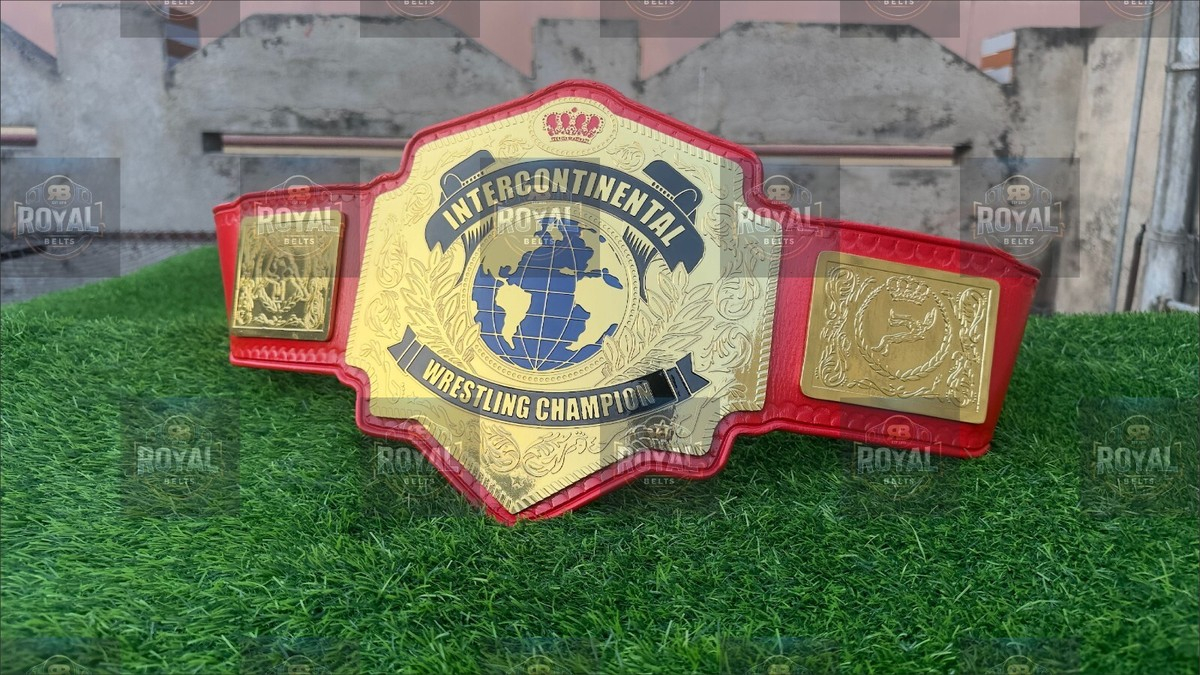
Every fantasy football league has its own personality. Some are loud group chats that never sleep. Others are quiet but ruthless, filled with people who’ve known each other for decades and remember everything. Trash talk flies, alliances form and break, and every Sunday feels oddly personal. Yet across all these leagues, no matter the age group or location, one symbol carries more weight than any trophy, cash prize, or bragging rights post: the fantasy football championship belt.
In the opening weeks of the season, nobody is thinking about the belt. It’s abstract then, almost mythical. But once the playoff race tightens, the belt becomes very real. You can almost feel its presence hovering over lineup decisions, waiver wire steals, and late-night trade debates. It’s not just about winning; it’s about earning something tangible that represents dominance, memory, and story.
This isn’t about buying an object. It’s about why a single belt can matter so much to grown adults who already have busy lives, responsibilities, and enough stress as it is.
Why Fantasy Football Needs a Physical Symbol
Fantasy football is emotional by nature. It taps into competition, ego, loyalty, and a strange kind of love-hate bond between friends and family members. For months, players invest time, energy, and pride into something that technically doesn’t exist in the real world. Rosters reset every year. Matchups disappear after Monday night. Even the stats fade.
A physical prize changes that dynamic.
A belt gives weight to the season. It turns digital wins into something you can hold, see, and pass around. When someone wears it at a draft party or keeps it displayed in their home, it reminds everyone else exactly who ran the league last year. The belt becomes a shared reference point, a visual reminder that the league isn’t just a casual pastime—it’s a tradition.
Unlike plaques or trophies that quietly gather dust, a belt demands attention. It’s meant to be worn, shown off, and occasionally mocked. That’s part of its charm.
The Emotional Gravity of Winning the Belt
Winning a fantasy football league already feels good. Winning the belt feels different. It adds ceremony to victory. Suddenly, the champion isn’t just the person with the best record—they’re the one who carries the league’s history for the year.
For many players, especially men, fantasy football is one of the few socially acceptable spaces where competition and emotional investment are openly encouraged. The belt becomes a socially safe symbol of achievement. It says, “I committed, I outsmarted you, and I earned this,” without needing to say a word.
There’s also something deeply satisfying about seeing your name associated with the belt season after season. Even when someone else wins it the following year, the memory sticks. People remember who held the belt and how they played. The belt becomes shorthand for legacy.
How the Belt Shapes League Culture
Leagues with a championship belt tend to feel tighter and more alive. The prize itself encourages rituals. Some leagues pass the belt ceremonially at the draft. Others require the champion to bring it to every watch party. A few enforce playful rules, like the belt holder paying for food or choosing the league punishment.
These rituals aren’t written rules; they evolve naturally. That’s the point. The belt becomes a catalyst for shared moments.
It also changes how newcomers are welcomed. A new member entering a league with a belt instantly understands the stakes. This isn’t just about setting a lineup—it’s about stepping into a story that’s already been unfolding for years.
The Belt as a Reflection of Identity
Fantasy football is rarely just about football. It’s about identity. The analytical guy who lives on spreadsheets. The instinct-driven player who trusts their gut. The lifelong fan who drafts emotionally and refuses to let go of certain players.
The belt doesn’t erase these differences—it highlights them. Whoever holds it becomes the face of the league for that year. Their style, strategy, and personality become part of the belt’s narrative.
That’s why so many champions talk about the belt with pride that goes beyond winning. It reflects how they see themselves within their group. For some, it’s validation. For others, it’s playful dominance. Either way, it’s personal.
Why a Belt Outshines Cash Prizes
Cash prizes are nice. Nobody complains about extra money. But once it’s spent, it’s gone. There’s no story attached to it months later.
A belt lingers.
It sits on a shelf, hangs on a wall, or travels from house to house. It sparks conversations with people outside the league. “What’s that for?” becomes an invitation to relive the season, the rivalries, the heartbreaks, and the lucky breaks.
In many leagues, players would rather win the belt than take home cash. That says a lot about how value works in adult friendships. Memory and meaning often matter more than money.
Gifting the Belt and What It Communicates
In some leagues, the belt is purchased collectively. In others, it’s gifted by a commissioner, a sibling, or even a parent who recognizes how important the league is to their family dynamic.
Giving a belt isn’t just practical—it’s emotional. It says, “I see what this means to you.” For sons, brothers, or close friends, that recognition can hit harder than expected. It acknowledges a shared hobby as something legitimate and worthy of respect.
This is especially true in family leagues, where fantasy football becomes a bridge between generations. A belt in that context represents more than competition—it represents connection.
The Quiet Authority of the Belt Holder
There’s an unspoken authority that comes with holding the belt. The champion’s opinions suddenly carry more weight. Trade advice, trash talk, even jokes land differently.
This doesn’t usually turn into arrogance—at least not permanently. It’s more like a temporary spotlight. For a season, the belt holder embodies success. Others chase them, question them, and try to dethrone them.
That dynamic keeps leagues engaging year after year. It creates continuity. Even when people change jobs, move cities, or start families, the belt remains a constant thread.
When the Belt Becomes Tradition
Over time, the belt stops being “the prize” and becomes the tradition. New seasons don’t feel complete without it. Draft nights revolve around it. Playoff matchups feel heavier because of it.
Some leagues even build rules around the belt’s care and display. Who holds it during the offseason? Where does it go during disputes? These conversations might sound silly, but they’re signs of investment.
Traditions don’t form accidentally. They form when something resonates deeply enough that people protect it. The belt earns that protection.
The Role of Storytelling in Fantasy Football
Fantasy football thrives on storytelling. Upsets, miracle comebacks, last-second losses—all of these moments become lore.
The belt acts as a physical anchor for those stories. When someone points to it and says, “That was the year I barely made the playoffs and still won,” everyone remembers. The belt doesn’t just mark victory; it marks narrative.
That’s why leagues with belts often last longer. They’re not just groups of people playing a game—they’re communities sharing stories.
The Belt as Motivation During Tough Seasons
Not every season goes well. Injuries pile up. Draft picks flop. Sometimes luck just isn’t on your side.
But knowing there’s a belt at the end of the road keeps people engaged. It’s easier to stay invested when there’s something meaningful to chase. Even players out of playoff contention still care because they don’t want to be remembered as the one who gave up.
The belt raises the standard. It quietly encourages effort, creativity, and persistence.
Respect Earned, Not Claimed
The beauty of a championship belt is that it can’t be argued into existence. You can talk all the trash you want, but the belt only goes to the winner.
That clarity matters. In groups where opinions clash and personalities are strong, having a clear, visible symbol of success cuts through the noise. The belt doesn’t care about excuses or hypotheticals. It represents results.
And when the belt changes hands, it does so cleanly. No debates. No footnotes. Just respect.
How the Belt Shapes Rivalries
Rivalries are the heartbeat of fantasy football. The belt intensifies them without making them toxic.
Suddenly, matchups aren’t just about weekly wins—they’re about stopping someone from getting closer to the belt or protecting your reign. Rivalries become layered, stretching across seasons.
This long-term tension keeps leagues fun. It adds emotional stakes without real-world consequences, which is a rare balance.
Why the Belt Feels Personal Even Years Later
Ask someone about the year they won their league, and you’ll hear details they didn’t know they remembered. The draft mistake they overcame. The trade that saved their season. The final matchup that came down to a single play.
The belt holds those memories. Even years later, seeing it can bring back the feeling of that win. That emotional recall is powerful.
Few hobbies offer that kind of lasting imprint. Fantasy football does, and the belt amplifies it.
The Belt as a Marker of Time
As life moves forward, fantasy football leagues often become markers of time. “That was the year before the move.” “That was the season after the baby was born.”
The belt travels through those phases with the group. It becomes part of the timeline, quietly recording change while staying the same.
That’s why it resonates so strongly with adult players. It’s a reminder that even as responsibilities grow, some joys remain.
Carrying the Belt with Pride and Humor
One of the best things about a championship belt is that it balances pride with humor. It’s intentionally a bit over-the-top. That exaggeration keeps things light.
Wearing the belt isn’t about taking yourself too seriously—it’s about enjoying the moment. The best champions know how to celebrate without alienating others. The belt invites that balance.
It’s serious fun, not serious business.
The Second Life of the fantasy football championship belt
As seasons stack up, the fantasy football championship belt takes on a second life. It’s no longer just about who won—it’s about how the league remembers itself. It becomes a shared artifact, something that outlasts individual rosters and even individual members.
When someone new asks about it, the explanation is never short. And that’s exactly the point. Each retelling strengthens the bond between players and reinforces why the league matters.
Why One Belt Is Enough
Leagues don’t need multiple prizes. They don’t need complexity. One belt is enough because it concentrates meaning.
It simplifies success. You either have it or you don’t. That clarity keeps things honest and compelling.
In a world full of noise and constant comparison, that simplicity feels refreshing.
The Quiet Magic of a Single Object
It’s surprising how much meaning people can pack into a single object. A belt, at face value, is simple. But within a fantasy football league, it becomes layered with emotion, memory, pride, and connection.
That’s why it works. It’s not flashy because it tries to be—it’s powerful because people care.
And once a league experiences that, there’s no going back. The belt becomes non-negotiable. The season feels incomplete without it.

 English
 Arabic
 French
 Spanish
 Portuguese
 Turkish
 Dutch
Dutch
 Italiano
 Russian
 Romaian
 Portuguese (Brazil)
 Greek
Greek
