


 Pro Benefits
 About
About
 Terms
Terms
 Privacy
 Child Safety & Protection
 Notifications
 Ayrush Global It Services Pvt Ltd
Everything You Need to Know About Import and Export Business in India
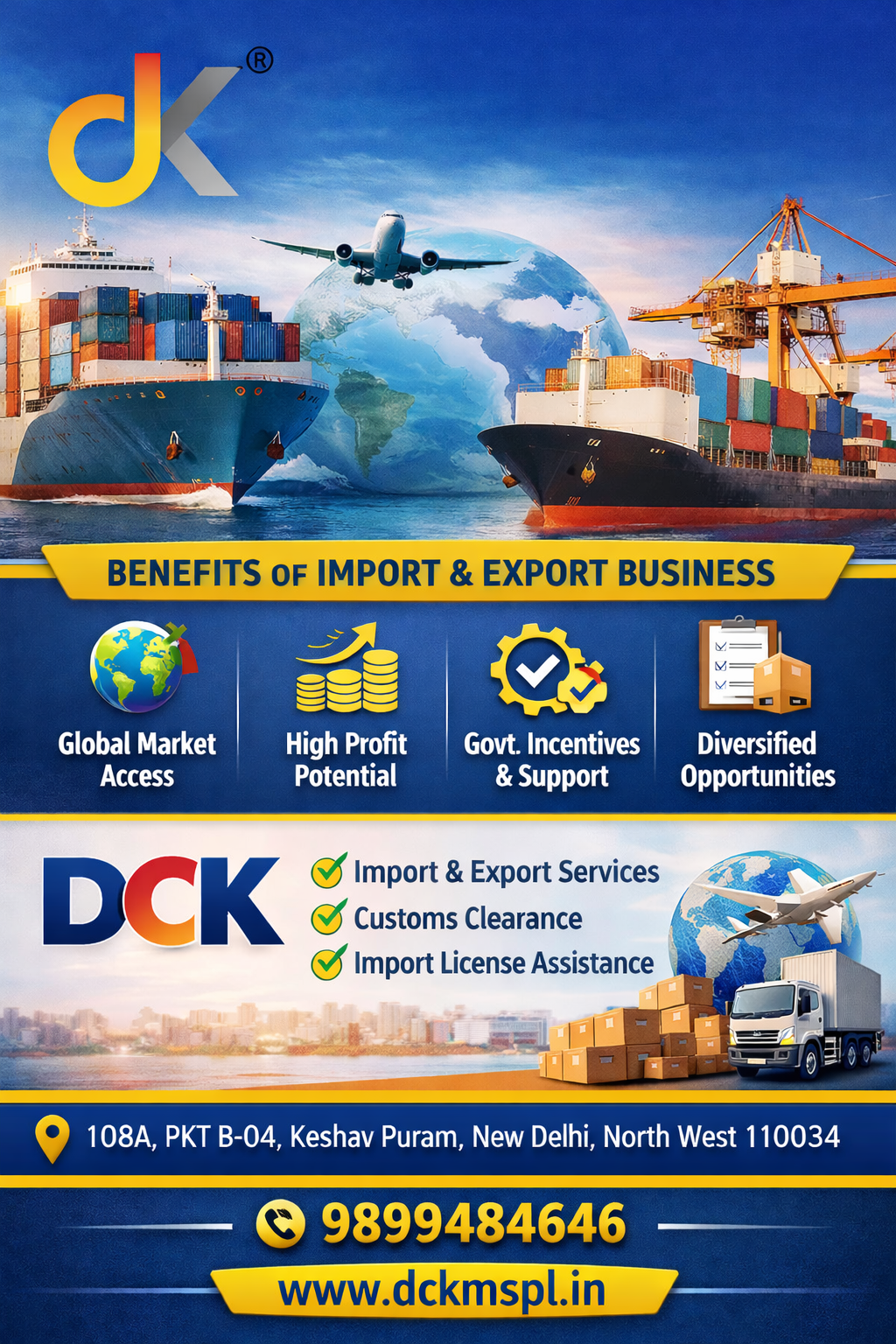
India has become one of the fastest-growing economies in the world, attracting entrepreneurs and businesses from across the globe. One of the most lucrative opportunities for business enthusiasts is the import and export business in India. This sector not only facilitates international trade but also contributes significantly to the nation’s economy. If you are planning to start an import-export business in India, this guide will cover everything from legal requirements to operational strategies, helping you navigate this complex but rewarding industry.
What is Import and Export Business in India?
The import and export business in India involves buying goods from other countries (import) and selling domestic products to foreign markets (export). This business helps in bridging the gap between domestic demand and global supply while also generating revenue for businesses and the country. India exports products like textiles, chemicals, pharmaceuticals, and agricultural goods, while imports include electronic goods, machinery, and raw materials.
Engaging in international trade requires a clear understanding of legal frameworks, customs procedures, and market demand. Businesses that master these aspects can thrive in this competitive environment.
Why Start an Import and Export Business in India?
Several factors make India an attractive destination for international trade:
-
Strategic Location: India is geographically well-positioned for trade with Asia, the Middle East, and Europe.
-
Growing Market: With a population exceeding 1.4 billion, India offers a vast domestic market for imported goods.
-
Government Support: Various policies and schemes are in place to promote exports and streamline imports.
-
Profit Potential: Exporting domestic products or importing high-demand goods can yield substantial profits when done correctly.
Legal Requirements for Import and Export Business in India
Before starting an import and export business in India, entrepreneurs need to fulfill certain legal requirements to operate smoothly.
1. Obtain Importer Exporter Code (IEC)
An Importer Exporter Code (IEC) is mandatory for all businesses engaged in international trade in India. This code is issued by the Directorate General of Foreign Trade (DGFT) and acts as a primary identification for customs and trade procedures. Without an IEC, you cannot legally import or export goods.
2. Registration and Licensing
Depending on the product, certain imports may require a license under the Import Licensing system. The government may also regulate exports of specific items to maintain quality and compliance with international trade laws.
3. GST and Tax Registration
Every business in India needs to register for GST. Exported goods are typically exempt from GST, but proper documentation is necessary to claim refunds. Importers are required to pay customs duty, which varies depending on the product category.
Steps to Start an Import and Export Business in India
Starting an import and export business in India involves systematic planning and compliance. Here is a step-by-step guide:
Step 1: Market Research
Conduct thorough market research to identify high-demand products for export or profitable goods for import. Study international trends, competitor pricing, and potential customers.
Step 2: Choose Your Niche
Focus on a specific product category to ensure specialization. Popular categories include textiles, electronics, agricultural products, chemicals, and handicrafts.
Step 3: Business Registration
Register your business as a sole proprietorship, partnership, LLP, or private limited company, depending on your scale and financial strategy.
Step 4: Obtain IEC and Other Licenses
Apply for an IEC from DGFT and any necessary import licenses required for specific goods. Ensure compliance with customs and trade regulations.
Step 5: Set Up Logistics and Supply Chain
Partner with freight forwarders, shipping companies, and warehousing providers to handle imports and exports efficiently. Efficient logistics is key to reducing costs and avoiding delays.
Step 6: Customs Clearance and Documentation
All imports and exports in India require proper documentation, including invoices, shipping bills, packing lists, and certificates of origin. Understanding the import monitoring system and customs clearance procedures ensures smooth operations.
Step 7: Payment and Forex Management
International trade involves dealing with foreign currencies. Set up secure payment channels and consider currency fluctuation risks. Letters of credit (LC) and advance payment options are commonly used in trade transactions.
Read More - How Can Businesses Benefit from the EPCG Scheme? 🚀
Important Aspects of Import and Export Business in India
To succeed in the import and export business in India, there are several crucial aspects to understand:
1. Import Monitoring System
The government uses the Import Monitoring System (IMS) to track and regulate certain imported goods. Businesses must comply with IMS notifications to avoid legal issues or delays in clearance.
2. Customs Clearance
Proper customs clearance ensures that goods pass smoothly through Indian ports. Documentation, tariff classification, and duty payments are critical parts of this process. Working with experienced customs brokers can save time and prevent costly errors.
3. Import License
An import license is mandatory for certain restricted goods. These licenses help the government regulate imports and maintain domestic production standards. It is crucial to identify whether your products require a license before importing.
4. Logistics and Shipping
Timely delivery is a key factor in the success of international trade. Partnering with reliable shipping companies, warehousing services, and logistics providers ensures your goods reach the market efficiently.
5. Quality Control
International buyers expect high-quality products. Implementing strict quality control measures and adhering to international standards improves your credibility and expands market opportunities.
6. Pricing and Profit Margins
Understanding foreign exchange rates, customs duties, taxes, and logistics costs is essential for pricing your products correctly. Exporters must balance competitiveness with profitability.
Challenges in Import and Export Business in India
While the import and export business in India offers huge opportunities, it also comes with challenges:
-
Regulatory Compliance: Complex regulations can be overwhelming for beginners.
-
Foreign Exchange Risks: Currency fluctuations can affect profit margins.
-
Documentation: Mistakes in paperwork can delay shipments and increase costs.
-
Competition: Global markets are highly competitive, requiring strategic marketing and networking.
Despite these challenges, proper planning, research, and professional guidance can help businesses thrive.
Tips for Success in Import and Export Business in India
-
Start Small: Begin with a limited product range to understand market dynamics.
-
Research Thoroughly: Know your target markets, consumer preferences, and competitor strategies.
-
Network: Build connections with suppliers, freight forwarders, and international buyers.
-
Stay Updated: Keep track of government notifications, tariff changes, and international trade policies.
-
Leverage Technology: Use online platforms for marketing, order management, and supply chain tracking.
Opportunities in Import and Export Business in India
India’s international trade is expanding in several sectors:
-
Textiles and Garments: India is a leading exporter of cotton and silk products.
-
Pharmaceuticals: Indian medicines and vaccines have a growing global demand.
-
Electronics: Importing advanced electronics and machinery can meet domestic demand.
-
Agriculture: Exporting organic food, spices, and tea offers high-profit margins.
By choosing the right products and markets, entrepreneurs can build a sustainable and profitable business.
Conclusion
The import and export business in India offers immense opportunities for entrepreneurs willing to invest time in research, legal compliance, and market analysis. By understanding key aspects like the import monitoring system, import license requirements, and customs clearance, businesses can navigate the complexities of international trade successfully. With dedication, strategic planning, and the right partnerships, India’s import-export sector can be a gateway to global business success.
Frequently Asked Questions (FAQs)
Q1: Do I need a license to start an import-export business in India?
Yes, an IEC (Importer Exporter Code) is mandatory, and some goods require a specific import license.
Q2: How can I manage customs clearance efficiently?
Proper documentation, understanding tariffs, and working with experienced customs brokers ensures smooth customs clearance.
Q3: Is import-export business profitable in India?
Yes, with the right products, market research, and compliance, the import and export business in India can be highly profitable.

 Arabic
 French
 Spanish
 Portuguese
 Deutsch
 Turkish
 Dutch
Dutch
 Italiano
 Russian
 Romaian
 Portuguese (Brazil)
 Greek
Greek
