


 Pro Benefits
 Σχετικά
 Όρους
Όρους
 Ιδιωτικότητα
 Child Safety Standards & Protection Policy
 Ειδοποιήσεις
Innovative Lightbox Systems for Modern Visual Communication and Industrial Design
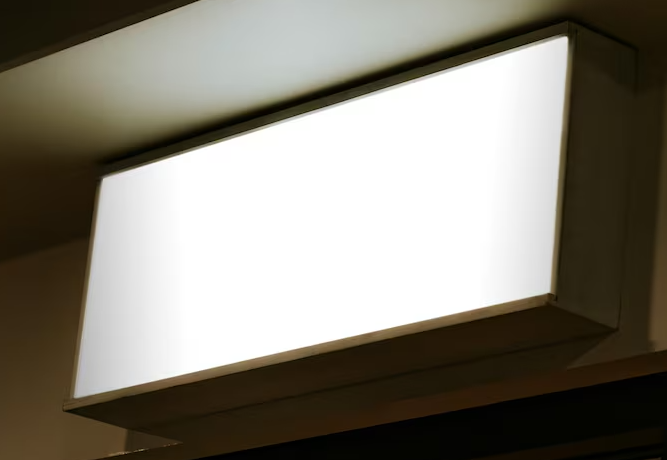
Lightboxes have become an essential element in contemporary visual communication, combining illumination and structure to create displays that are both functional and visually engaging. From retail branding and exhibitions to industrial signage and architectural features, lightbox systems provide uniform lighting, improved visibility, and a clean, professional appearance. As businesses and designers demand more adaptable and durable display solutions, modern lightboxes are no longer simple frames with backlighting. They are engineered systems that integrate lighting technology with modular structural design.
Today’s lightbox solutions focus on precision, energy efficiency, and flexibility. Instead of being treated as standalone signage, they are often incorporated into larger frameworks such as partitions, machine enclosures, and modular display walls. This evolution reflects a broader trend toward system-based construction, where lighting, structure, and visual messaging are planned together.
The Functional Role of Lightboxes
Structural Integration Through Modular Frames
One of the defining characteristics of advanced lightbox systems is their use of modular aluminum frames. These frames provide strength without excessive weight and allow precise alignment of panels and lighting elements. Aluminum also offers corrosion resistance and long service life, making it suitable for both indoor and semi-industrial environments.
By integrating lightboxes into modular frameworks, designers can create continuous illuminated surfaces rather than isolated signs. For example, a lightbox can become part of a partition wall, a machine enclosure, or a showroom backdrop. This transforms lighting into a structural component rather than an afterthought.
The modular approach also simplifies installation. Components are assembled using standardized connectors rather than welded joints. This allows for faster setup and easier modification if the layout changes.
Lighting Technology and Energy Efficiency
The transition from fluorescent lamps to LED technology has significantly improved the performance of lightboxes. LEDs consume less energy, generate less heat, and offer longer operating life. This makes them suitable for applications where lightboxes operate for extended hours.
Energy efficiency is not only a cost-saving measure but also an environmental consideration. Modern lightbox systems are designed to maximize light output while minimizing power consumption. Diffusion panels and optimized LED placement ensure even brightness across the entire surface.
Long-term reliability is another advantage. With fewer components subject to wear and tear, LED-based lightboxes reduce maintenance needs and improve operational stability.
Customization for Different Applications
One of the most important benefits of contemporary lightbox systems is customization. Standard sizes and formats often fail to meet the spatial and functional requirements of modern projects. Custom lightboxes can be designed to match specific dimensions, panel materials, and lighting characteristics.
Customization is particularly valuable in industrial and technical environments. Lightboxes can be used to display safety instructions, process information, or status indicators. Their frames can be adapted to fit within machine enclosures or along production lines without obstructing workflow.
In commercial and exhibition contexts, custom designs support branding by allowing precise control over proportions, brightness, and visual presentation. This ensures that displays align with corporate identity and spatial design.
Maintenance and Long-Term Use
Maintenance is a critical factor in evaluating any display system. Poorly designed lightboxes can require frequent disassembly to replace lighting components or panels. In contrast, system-based lightboxes allow easy access to internal elements without dismantling the entire structure.
Modular construction also supports part replacement rather than full replacement. If a panel becomes damaged or a lighting strip reaches the end of its service life, only that component needs to be changed. This reduces downtime and extends the overall lifespan of the installation.
Durability is enhanced by the use of aluminum frames and protected lighting components. These materials resist deformation and environmental stress, ensuring that the lightbox maintains its appearance and performance over time.
Applications Across Industries
Lightbox systems are used in a wide range of sectors. In retail and marketing, they serve as illuminated branding panels and product displays. In manufacturing and logistics, they are used for safety signage and process visualization. In offices and corporate environments, they support wayfinding, decorative walls, and illuminated logos.
Exhibitions and events also benefit from modular lightboxes. Their structures can be assembled temporarily, reconfigured for different layouts, and reused across multiple events. This reduces the cost of repeated installations and supports sustainable practices.
In architectural design, lightboxes are increasingly used as ambient lighting features. They can be integrated into ceilings, walls, or partitions to create soft, evenly distributed light that enhances spatial perception.
The System-Based Approach of Classicmodul
A system-based philosophy is central to achieving reliable and adaptable lightbox solutions. Classicmodul focuses on modular aluminum profile systems that allow lightboxes to be built as part of a larger structural framework. Instead of treating lightboxes as isolated products, their approach integrates lighting, framing, and mounting into one coherent concept.
This method supports both standard and customized configurations. Designers can select suitable profiles and panels to create lightboxes that match their technical and visual requirements. The compatibility between components reduces complexity and ensures consistent performance.
By emphasizing modular construction, Classicmodul enables lightboxes to evolve with changing needs. Structures can be expanded, panels can be updated, and lighting systems can be upgraded without redesigning the entire installation.
Supporting Efficiency and Sustainability
Efficiency in design and installation is one of the strongest advantages of modular lightbox systems. Predefined profiles and connectors reduce assembly time and minimize the risk of misalignment. This improves project timelines and lowers labor costs.
Sustainability is also enhanced. Aluminum is fully recyclable, and modular designs encourage reuse rather than disposal. Lightboxes built on system-based frameworks can be dismantled and reassembled for new purposes, reducing material waste.
LED lighting further contributes to environmental responsibility by lowering energy consumption and reducing the frequency of component replacement.
Conclusion
Lightbox systems have evolved into sophisticated tools for visual communication and structural design. By combining illumination with modular construction, they offer solutions that are both functional and adaptable. Their ability to integrate into larger frameworks makes them suitable for a wide range of applications, from industrial signage to architectural lighting.
Modern lightboxes are defined by efficiency, customization, and durability. When built on modular aluminum profile systems, they provide long-term value and design flexibility. This system-based approach supports clear visibility, easy maintenance, and sustainable use.
Through its focus on modular aluminum structures and integrated solutions, Classicmodul reflects the principles that define advanced lightbox design. By enabling lighting to become part of a coherent structural system, it supports smarter visual communication and more adaptable environments.
In a world where clarity, adaptability, and professional presentation are increasingly important, lightbox systems represent more than illuminated panels. They are strategic design elements that enhance how information, branding, and space are experienced.

 English
 Arabic
 French
 Spanish
 Portuguese
 Deutsch
 Turkish
 Dutch
Dutch
 Italiano
 Russian
 Romaian
 Portuguese (Brazil)
