


 Pro Benefits
 About
About
 Términos
 Privacidad
 Child Safety Standards & Protection Policy
 Notificaciones
Top Tips for Buying Affordable and Reliable Car Insurance
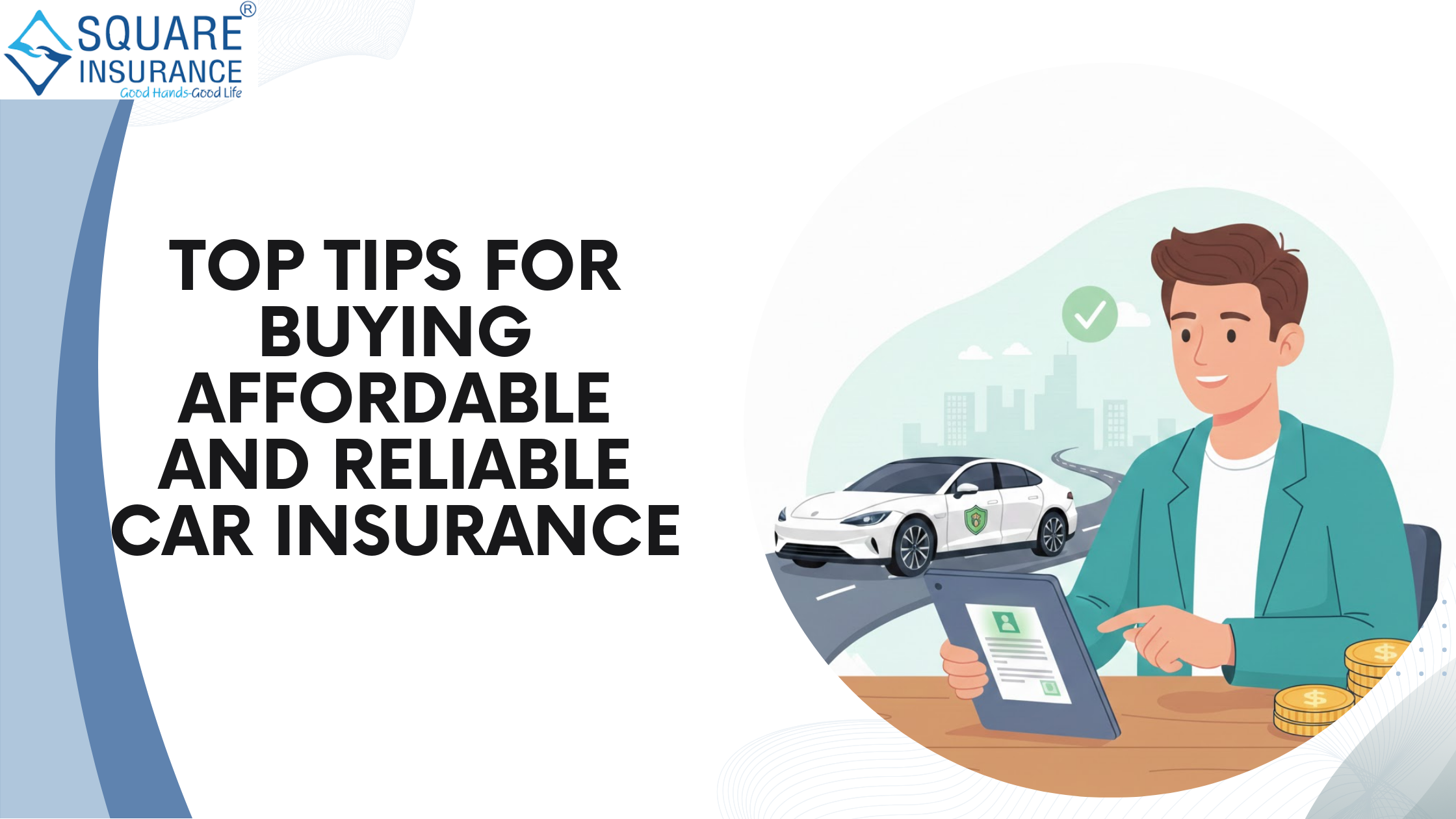
Buying car insurance is more than just a legal requirement; it is a crucial financial decision that protects you, your vehicle, and your loved ones from unexpected events. With the increasing number of insurers and policy options, choosing the right coverage can feel overwhelming. The key is finding a balance between affordability and reliability without compromising on essential protection. In this article, we’ll explore expert-backed tips to help you buy car insurance that meets your needs and budget while ensuring peace of mind.
Understanding the Basics of Car Insurance
Before diving into strategies to save money or choose the right provider, it’s essential to understand the fundamentals of car insurance. Car insurance generally consists of:
- Liability Coverage – Protects you if you cause damage or injury to another person or their property.
- Collision Coverage – Covers repairs to your own vehicle after an accident, regardless of fault.
- Comprehensive Coverage – Provides protection against theft, natural disasters, vandalism, and other non-collision incidents.
- Uninsured/Underinsured Motorist Coverage – Offers protection if you are involved in an accident with a driver who lacks sufficient insurance.
- Personal Injury Protection (PIP) or Medical Payments – Covers medical expenses for you and your passengers.
Understanding these components allows you to evaluate policies critically and avoid paying for unnecessary add-ons.
Tip 1: Assess Your Coverage Needs
One of the most common mistakes drivers make is buying a one-size-fits-all policy. To avoid overspending, assess your specific needs:
- Vehicle Age and Value: Older cars may not require full comprehensive and collision coverage.
- Driving Habits: Frequent drivers or those who travel long distances may benefit from higher coverage limits.
- Financial Situation: Consider your ability to pay out-of-pocket for minor damages versus paying higher premiums.
Customizing coverage ensures that you are protected without overpaying.
Tip 2: Compare Quotes from Multiple Insurers
Even experienced car owners sometimes underestimate the impact of shopping around. Rates can vary significantly between providers due to factors such as:
- Driving history and claims record
- Vehicle type and usage
- Location and regional risk factors
Requesting multiple quotes allows you to find competitive pricing while identifying the best value. Ensure you compare policies with similar coverage limits and deductibles to make an accurate assessment.
Tip 3: Take Advantage of Discounts
Insurance providers often offer various discounts that can reduce premiums without reducing coverage:
- Safe Driver Discounts: Reward for clean driving records
- Multi-Policy Discounts: Bundling home, auto, or other insurance policies
- Low Mileage Discounts: For drivers who use their vehicle infrequently
- Defensive Driving Course Discounts: Completing approved training programs
Always inquire about available discounts and ensure they are applied to your policy. Even small reductions can add up over time.
Tip 4: Choose the Right Deductible
The deductible is the amount you pay out-of-pocket before insurance kicks in. Selecting the right deductible is a balancing act:
- Higher Deductibles: Lower premiums but higher cost in the event of a claim
- Lower Deductibles: Higher premiums but more financial protection during accidents
Evaluate your budget and risk tolerance. If you have emergency funds to cover minor repairs, opting for a higher deductible can make insurance more affordable.
Tip 5: Evaluate Insurer Reputation and Reliability
Affordable insurance is only valuable if the provider is reliable. Consider the following factors when evaluating insurers:
- Financial Stability: Check ratings from independent agencies to ensure the company can pay claims.
- Customer Service Quality: Look for providers with responsive support and clear communication.
- Claims Processing Efficiency: Fast, fair claims handling can save stress and additional costs.
Reading customer reviews, industry reports, and complaint records helps assess an insurer’s reliability.
Tip 6: Maintain a Good Driving Record
One of the most effective ways to secure affordable car insurance is to maintain a clean driving record. Accidents, traffic violations, and claims history can significantly increase premiums. Safe driving not only protects you and others on the road but also demonstrates responsibility to insurers, often qualifying you for lower rates and better policy terms.
Tip 7: Reassess Your Policy Annually
Your insurance needs change over time, and so do policy options. Regularly reviewing your coverage allows you to:
- Drop unnecessary add-ons for older vehicles
- Adjust coverage limits based on changing financial circumstances
- Take advantage of new discounts or promotional offers
Annual reassessment ensures your insurance remains both affordable and effective.
Tip 8: Understand Policy Terms Clearly
Insurance policies can be dense with legal jargon. Before committing, ensure you clearly understand:
- Coverage limits and exclusions
- Deductible amounts
- Claim procedures
- Renewal terms and rate changes
A transparent understanding of your policy prevents surprises during claims and helps you make informed decisions.
Tip 9: Consider Usage-Based or Telematics Policies
Many insurers now offer policies based on driving behavior tracked via telematics devices or mobile apps. These usage-based plans can lower premiums for safe drivers who:
- Drive fewer miles than average
- Exhibit cautious driving behavior
- Avoid high-risk driving patterns
Telematics policies align cost with actual risk, offering a personalized approach to affordable insurance.
Tip 10: Seek Professional Advice if Needed
Navigating car insurance options can be complex, especially for first-time buyers or those with unique vehicles or driving habits. Insurance agents or brokers provide professional guidance to:
- Identify the best coverage options
- Find exclusive discounts
- Clarify policy terms and legal requirements
Expert advice can prevent costly mistakes and ensure that your coverage is comprehensive yet affordable.
Conclusion
Buying car insurance doesn’t have to be a stressful experience. By understanding your coverage needs, comparing quotes, leveraging discounts, and choosing a reliable insurer, you can secure a policy that is both affordable and dependable. Remember, the goal is not just to save money but to ensure that you and your vehicle are protected in every possible scenario. For drivers seeking a combination of cost-effective rates and trustworthy service, Square Insurance stands out as a reliable choice that prioritizes customer needs and transparent coverage.
Frequently Asked Questions
1. How can I lower my car insurance premium without reducing coverage?
You can lower premiums by maintaining a clean driving record, opting for higher deductibles, bundling multiple insurance policies, and utilizing available discounts.
2. Is it better to choose a higher deductible?
A higher deductible lowers your premium but increases your out-of-pocket costs during a claim. Choose based on your financial ability to handle potential repair costs.
3. How often should I review my car insurance policy?
It’s recommended to review your policy annually or whenever there’s a significant change in your vehicle, driving habits, or personal circumstances.
4. What factors influence car insurance rates the most?
Driving history, vehicle type, age, location, mileage, and coverage limits are primary factors that affect insurance premiums.
5. Can usage-based insurance really save money?
Yes. Safe drivers who drive less frequently or practice careful driving behaviors can benefit from usage-based or telematics insurance programs, often resulting in lower premiums.

 English
 Arabic
 French
 Portuguese
 Deutsch
 Turkish
 Dutch
Dutch
 Italiano
 Russian
 Romaian
 Portuguese (Brazil)
 Greek
Greek
