


 Pro Benefits
 About
About
 Termeni
 Confidențialitate
 Notificări
What Are The Best Commercial Kitchen Floor Cleaners?
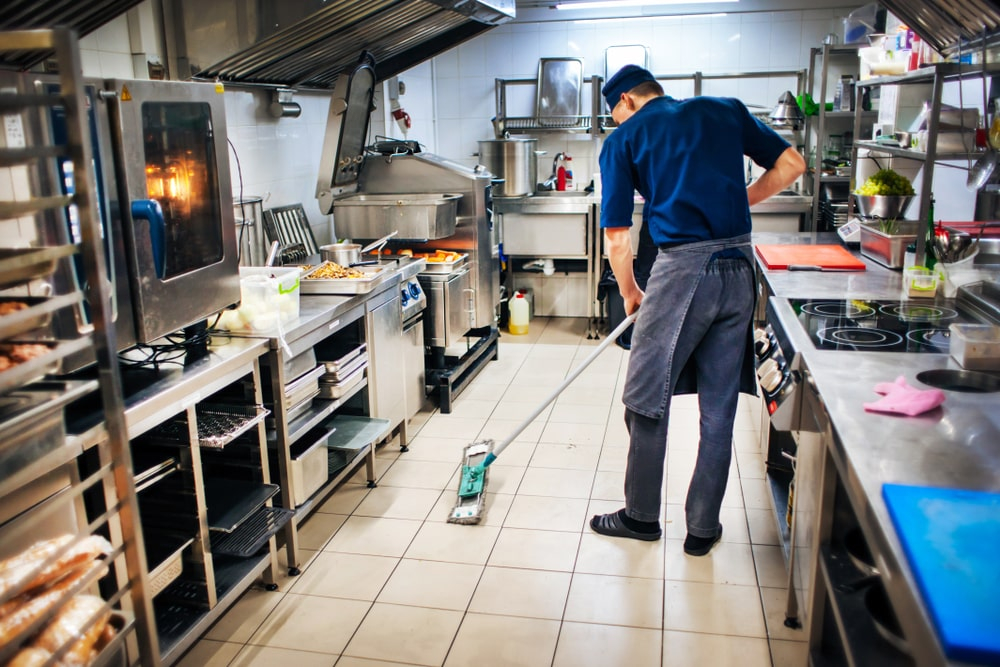
Maintaining spotless floors in a commercial kitchen is crucial for safety, hygiene, and operational efficiency. Floors in busy kitchens quickly accumulate grease, oils, food debris, and moisture, creating slippery conditions and potential contamination risks. Selecting the best commercial kitchen floor cleaner ensures heavy-duty grease removal, preserves flooring surfaces, and supports a safe working environment for staff. Professional-grade solutions are engineered to tackle baked-on residues and high-traffic areas while protecting tile, vinyl, concrete, or epoxy surfaces. Using a reliable kitchen degreaser cleaner in targeted areas further enhances floor sanitation and overall kitchen safety.
Why Maintaining Clean Floors is Essential in Commercial Kitchens?
Clean floors are the foundation of a safe and efficient commercial kitchen. Grease, oils, and food residues accumulate rapidly, creating slip hazards and contamination risks. Choosing the right commercial kitchen floor cleaners ensures long-term safety, hygiene, and operational performance.
-
Effective Grease and Oil Removal: Heavy-duty formulas dissolve baked-on grease and oily residues that regular cleaners cannot tackle. This prevents slippery surfaces and restores floor traction. Maintaining grease-free floors supports both staff safety and food hygiene.
-
Slip and Accident Prevention: Thorough degreasing minimizes the risk of slips, trips, and falls in high-traffic areas. Properly treated surfaces reduce workplace injuries, especially near cooking lines and prep zones. Enhanced traction ensures a safer environment for kitchen staff.
-
Hygienic and Sanitary Surfaces: Food-safe floor cleaners eliminate bacteria, food particles, and microbial buildup on tiles, grout, and vinyl surfaces. Sanitized floors reduce cross-contamination risks and comply with health standards. Clean floors are essential for maintaining a professional kitchen environment.
-
Protection of Floors and Equipment: Specialized cleaners preserve surface integrity on quarry tile, epoxy, and vinyl while preventing corrosion. Using suitable products prevents premature wear of kitchen flooring. Long-lasting floors contribute to consistent operational efficiency and safety.
Neutral pH Floor Cleaners
Neutral pH floor cleaners provide gentle yet effective solutions for maintaining polished concrete, epoxy, and tile surfaces. They remove light grease and everyday residues without compromising the integrity of the floor finish. These cleaners prevent the buildup of slippery films while controlling odors in high-traffic zones. Their mild formulation safeguards surface coatings, ensuring long-lasting durability. Neutral solutions are particularly suitable for areas where staff and foot traffic are constant, preserving both safety and appearance.
Alkaline Floor Cleaners
Alkaline cleaners deliver powerful grease-fighting capabilities for floors that accumulate heavy oil and baked-on deposits. They penetrate stubborn grime on concrete, quarry tile, and vinyl, restoring traction and floor integrity. These formulas reduce slippery residues, creating safer walkways and prep areas. Designed for commercial kitchen conditions, they ensure surfaces maintain their durability over time. Alkaline solutions are essential for areas exposed to high-volume grease and cooking byproducts.
Acidic Floor Cleaners
Acidic floor cleaners specialize in tackling mineral buildup, soap scum, and rust commonly found near drains and wet zones. They efficiently dissolve deposits in tile grout and water-exposed areas without damaging the structural surface. These formulations enhance overall floor hygiene while reducing hazards caused by slippery mineral films. Acidic cleaners are ideal for zones requiring both stain removal and enhanced sanitation. Their targeted action supports professional kitchen cleanliness in challenging conditions.
Foaming and Specialty Grease Floor Cleaners
Foaming cleaners are formulated to adhere to textured and vertical surfaces, providing extended contact for breaking down embedded grease. They maximize cleaning efficiency in grout lines, ridged tiles, and uneven floor surfaces. These cleaners reduce manual effort while ensuring deep penetration of greasy residues. The foam structure supports safe and hygienic conditions in high-traffic kitchens. Specialty formulas improve overall floor sanitation and contribute to a slip-resistant environment.
Enzymatic and Bio-Based Cleaners
Enzymatic and bio-based floor cleaners use natural processes to break down organic matter, including fats and food debris, safely and effectively. They maintain sanitary conditions in prep and cooking areas without harsh chemical exposure. Biodegradable formulas support sustainable cleaning practices while minimizing staff risk. These solutions control odors while preserving floor surfaces, extending their longevity. Enzymatic cleaners are ideal for maintaining hygiene and safety in demanding commercial kitchen environments.
Solvent-Based Floor Cleaners
Solvent-based floor cleaners provide rapid grease and oil removal for areas with heavy, baked-on residues. Their strong chemical action dissolves fats and sticky food deposits efficiently. These cleaners restore floor traction while maintaining the structural integrity of tile, vinyl, and concrete surfaces. Ideal for high-traffic zones, they support both safety and sanitation standards. Solvent formulas are essential for tough spots where organic and oily soils converge.
Gel-Based Floor Cleaners
Gel-based cleaners adhere to vertical surfaces and uneven tiles, allowing extended contact with stubborn grease. The thick consistency prevents runoff while targeting challenging spots like drains and textured grout lines. These solutions improve overall hygiene by loosening sticky residues without over-saturating the floor. Gel formulations are especially effective in high-traffic kitchens where thorough cleaning is required. Their precision ensures efficient use and maintains slip-resistant conditions.
Industrial-Strength Floor Degreasers
Industrial-strength degreasers are formulated for extreme grease buildup and heavy kitchen traffic. They penetrate thick, polymerized oils that accumulate over time, restoring surface safety and appearance. These products enhance floor longevity while reducing hazardous slippery areas. Ideal for professional kitchens, they combine durability with powerful cleaning action. Industrial-strength degreasers support both operational efficiency and long-term floor maintenance.
Eco-Friendly Floor Cleaners
Eco-friendly cleaners use plant-based and biodegradable ingredients to remove grease and food residues safely. They reduce chemical exposure for staff while maintaining sanitary conditions across tiles, vinyl, and concrete. These formulations support sustainability goals without compromising cleaning efficiency. Their low-odor profiles make them suitable for enclosed kitchen spaces. Eco-friendly solutions provide a balance of hygiene, safety, and environmental responsibility.
Multi-Purpose Floor Concentrates
Multi-purpose concentrates allow kitchens to create large volumes of cleaning solutions tailored to different surfaces. They are versatile for tackling grease, oil, and food debris on floors, prep zones, and walkways. Concentrates reduce waste and provide cost-effective cleaning across high-traffic areas. Properly diluted solutions maintain traction while removing sticky residues efficiently. These formulations are essential for large kitchens requiring consistent and adaptable cleaning performance.
Key Features to Look for in Commercial Kitchen Floor Cleaners
Selecting the right floor cleaner is critical for maintaining a safe and hygienic commercial kitchen. The best products remove grease and grime efficiently while protecting surfaces and ensuring slip-resistant conditions. Understanding essential features helps in choosing cleaners that maximize performance and staff safety.
Grease-Cutting Performance:
Effective cleaners break down heavy oils, fats, and sticky food residues without leaving slippery films. Strong degreasing action ensures floors remain safe for high-traffic zones. Proper grease removal also maintains hygiene and prevents bacterial buildup on floor surfaces.
Surface Compatibility:
Choose formulas designed for the flooring type, including tile, quarry, vinyl, epoxy, or concrete. Correct selection prevents damage to coatings or surface texture while preserving structural integrity. Compatible products extend the life of kitchen floors and maintain traction under constant use.
Residue-Free Results:
Cleaners should rinse completely, leaving no leftover film or sticky layer that could attract dirt or create hazards. Residue-free floors reduce slip risks and maintain a visually clean environment. Properly rinsed surfaces also help prevent microbial growth in prep and cooking areas.
Health and Environmental Safety:
Low-VOC, biodegradable, and non-toxic formulations reduce chemical exposure for staff. Food-safe options ensure compliance with hygiene standards in sensitive prep zones. Eco-conscious cleaners support sustainability goals without sacrificing grease removal efficiency.
Professional Floor Cleaning Practices for Commercial Kitchens
Maintaining safe, hygienic floors requires more than a quick wipe; professional practices ensure thorough grease removal and long-lasting floor integrity. Following the right steps protects staff from slip hazards while keeping surfaces sanitary. Efficient cleaning also preserves floor durability under heavy kitchen traffic.
Initial Debris Removal:
Start by sweeping or vacuuming to remove crumbs, dust, and food particles. Removing dry soils first prevents them from mixing with liquids to form slippery films. Proper debris removal enhances the effectiveness of subsequent grease-targeting solutions.
Cleaner Application with Dwell Time:
Apply commercial-grade floor cleaners evenly across surfaces, allowing sufficient dwell time. Letting the solution sit penetrates baked-on grease and sticky residues. Dwell time maximizes cleaning efficiency while reducing manual scrubbing effort.
Scrubbing for Stubborn Grease:
Use brushes, pads, or auto-scrubbers to agitate surfaces where grease and oil have bonded. Focus on grout lines, textured tiles, and high-traffic areas for optimal results. Mechanical action ensures deep cleaning without compromising flooring integrity.
Rinse and Thorough Drying:
After scrubbing, rinse floors to remove all cleaner residues and dissolved grease. Excess water must be removed to prevent slippery conditions and microbial growth. Proper drying maintains slip-resistant, safe, and hygienic surfaces throughout the kitchen.
Essential Tools for Efficient Commercial Kitchen Floor Cleaning
Using the right tools transforms floor cleaning from a routine chore into an efficient, safe, and thorough process. Proper equipment ensures grease, oil, and food residues are removed quickly without damaging flooring surfaces. Choosing professional-grade tools enhances overall sanitation and slip-resistant conditions in high-traffic kitchens.
Auto Scrubbers:
Mechanized scrubbers combine rotating brushes and suction to clean floors efficiently. They remove embedded grease and oily residues in one pass. Auto scrubbers maintain consistent results across large, high-traffic kitchen areas while reducing manual labor.
Disc Scrubbers:
These tools provide powerful agitation for stubborn baked-on grease and food debris. Their rotary action penetrates textured tiles and grout lines effectively. Disc scrubbers ensure floors remain safe, hygienic, and free from slippery buildup.
Microfiber Mops and Dual-Bucket Systems:
Microfiber fibers lift dirt and grease without spreading residues across surfaces. Paired with dual-bucket systems, they separate clean and dirty water for improved sanitation. This combination prevents redepositing grime while maintaining slip-resistant conditions.
Wet/Dry Vacuums and Squeegees:
These tools remove excess water quickly to prevent slippery floors. Wet/dry vacuums efficiently extract liquid and dissolved grease from all types of surfaces. Squeegees help achieve fast drying, ensuring safe and hygienic conditions throughout the kitchen.
Safety Guidelines for Commercial Kitchen Floor Cleaning
Proper safety practices are essential to protect staff and maintain a hygienic environment while cleaning kitchen floors. Using the right precautions prevents accidents, chemical exposure, and contamination risks. Following professional guidelines ensures both safety and efficiency during floor maintenance.
Personal Protection:
Always wear gloves and slip-resistant footwear to prevent chemical contact and accidental slips. Protective gear shields staff from grease, oils, and residual cleaning agents. Consistent use of PPE ensures a safe working environment in high-traffic kitchen areas.
Ventilation:
Maintain adequate airflow when applying concentrated degreasers or strong floor cleaners. Proper ventilation minimizes inhalation of fumes and supports quicker drying. Good airflow also enhances the efficiency of cleaning solutions on greasy surfaces.
Chemical Handling:
Never mix different cleaning products, as chemical reactions can be hazardous. Follow manufacturer instructions for dilution, application, and dwell time. Safe handling prevents injuries, maintains floor integrity, and ensures effective grease removal.
Storage Practices:
Keep all cleaners in clearly labeled containers, away from prep tables and food-contact zones. Proper storage prevents accidental exposure and contamination. Organized storage ensures quick access to products while maintaining kitchen hygiene.
Common Mistakes to Avoid When Cleaning Commercial Kitchen Floors
Even experienced staff can make errors that reduce cleaning efficiency and create safety hazards. Avoiding these common mistakes ensures floors remain slip-resistant, hygienic, and free from grease buildup. Correct practices maintain surface integrity and operational efficiency in busy kitchens.
Using Inappropriate Cleaners:
Household or general-purpose products often fail to remove heavy grease and baked-on residues. Relying on these cleaners leaves slippery films and compromises hygiene. Commercial-grade solutions are necessary to restore floor safety and sanitation effectively.
Skipping Dry Debris Removal:
Neglecting to sweep or vacuum crumbs, dust, and food particles before wet cleaning spreads debris and reduces cleaning efficiency. Proper debris removal prevents residues from mixing with grease. This step is crucial for achieving slip-resistant and hygienic surfaces.
Incorrect Water or Cleaner Usage:
Overwatering floors or under-rinsing leaves residues that attract dirt and create hazardous conditions. Maintaining correct dilution and thorough rinsing ensures floors remain safe and visually clean. This practice supports long-term floor durability and sanitation.
Ignoring Hard-to-Clean Areas:
Grout lines, textured tiles, and corners often accumulate hidden grease and oils. Failing to address these zones leaves potential slip hazards and microbial growth. Targeted cleaning of these areas enhances overall kitchen floor hygiene and safety.
Conclusion
Selecting the best commercial kitchen floor cleaner is essential for maintaining safe, hygienic, and efficient kitchen operations. Industrial-strength, foaming, enzymatic, and eco-friendly solutions target grease, baked-on residues, and food particles without damaging surfaces. For high-traffic areas, the best kitchen floor cleaner ensures slip-free walking surfaces, reduces contamination risks, and enhances overall sanitation. Proper product choice, paired with professional techniques and equipment, ensures kitchen floors remain clean, safe, and fully compliant with hygiene standards.
Frequently Asked Questions
What makes a commercial kitchen floor cleaner different from household products?
Commercial kitchen floor cleaners are formulated to tackle heavy grease, oil, and food residues that build up in high-traffic kitchens. Unlike household products, they maintain floor durability and slip-resistant surfaces while ensuring hygienic conditions. These cleaners also meet food safety and sanitation standards.
Can neutral pH floor cleaners remove grease effectively?
Neutral pH cleaners are designed for light to moderate grease removal without damaging sensitive surfaces. They are ideal for epoxy, polished concrete, and tile floors, maintaining shine and traction while controlling odors in busy kitchen areas.
Why are alkaline floor cleaners recommended for commercial kitchens?
Alkaline cleaners are strong degreasers that dissolve baked-on grease and stubborn oil deposits. They restore floor traction, prevent slippery conditions, and are essential for high-traffic cooking zones where heavy grease accumulates.
Are enzymatic or bio-based cleaners safe for food prep areas?
Yes, enzymatic and bio-based cleaners use natural processes to break down organic matter, including fats and food residues. They are non-toxic, biodegradable, and safe for areas where food is prepared, supporting hygiene and staff safety.
How do foaming floor cleaners help with textured or grout surfaces?
Foaming cleaners cling to vertical or uneven surfaces, maximizing contact time with grease in grout lines and textured tiles. This ensures deep cleaning in hard-to-reach areas while minimizing manual scrubbing effort.
Can commercial floor cleaners prevent slip hazards?
Properly formulated commercial cleaners remove grease, oil, and food debris that create slippery surfaces. Maintaining residue-free floors improves traction and reduces accidents, making kitchen environments safer for staff.
What surfaces are compatible with commercial floor cleaners?
Most professional cleaners work on tile, quarry, vinyl, epoxy, and concrete floors. It’s important to choose cleaners that preserve surface integrity, prevent corrosion, and maintain slip-resistant conditions in high-traffic areas.
Are eco-friendly floor cleaners effective for heavy-duty grease?
Yes, modern plant-based and biodegradable cleaners are formulated to handle grease and food residues while reducing chemical exposure. They provide sustainable cleaning solutions without compromising efficiency or hygiene standards.
How important is dwell time when applying floor cleaners?
Allowing dwell time ensures cleaners penetrate baked-on grease and sticky residues effectively. Proper contact time enhances cleaning efficiency, reduces scrubbing effort, and maintains hygienic, slip-resistant floors.
Can multi-purpose floor concentrates save time and cost in commercial kitchens?
Multi-purpose concentrates allow kitchens to dilute solutions according to surface needs, providing cost-effective and versatile cleaning. They are suitable for floors, prep zones, and walkways, maintaining grease-free, safe, and hygienic conditions across the kitchen.

 English
 Arabic
 French
 Spanish
 Portuguese
 Deutsch
 Turkish
 Dutch
Dutch
 Italiano
 Russian
 Portuguese (Brazil)
 Greek
Greek
