


 Pro Benefits
 About
About
 Términos
 Privacidad
 Child Safety & Protection
 Notificaciones
 Ayrush Global It Services Pvt Ltd
Ultimate Guide to Custom Sew In Labels for Clothing
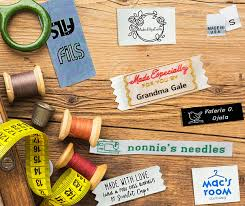
Custom sew in labels are one of the simplest yet most effective ways to add a professional touch to clothing. Whether you are creating handmade garments, running a small fashion brand, or personalizing apparel, sew in labels help communicate identity, quality, and care information. These labels stay attached throughout the life of the garment and give your clothing a finished and trustworthy look.
In this guide, you will learn what Custom sew in labels for clothing are, the different types available, how they are used, and the best practices for attaching them to clothing.
What Are Custom Sew In Labels
Sew in labels are fabric tags that are stitched directly into clothing. Unlike printed tags or iron on labels, sew in labels are designed to last through repeated washing and daily wear. They are commonly used to display brand names, size details, care instructions, or custom messages.
These labels are usually made from fabric materials such as cotton, satin, or woven threads. Because they are sewn into seams or hems, they stay secure and do not peel off or fade easily.
Types of Custom Sew In Labels
There are several types of sew in labels, each serving a different purpose depending on your clothing needs.
Woven Sew In Labels
Woven labels are created by weaving threads together to form text and designs. They are highly durable and ideal for brand logos or names. Woven labels do not fade or crack, making them suitable for long term use.
Printed Fabric Labels
Printed labels feature designs printed directly onto fabric. They allow more flexibility with colors and detailed artwork. These labels are often softer and work well for lightweight clothing.
Folded Sew In Labels
Folded labels are designed to be stitched into seams. Common fold styles include center fold, end fold, and loop fold. These are popular for brand labels placed inside necklines or side seams.
Benefits of Using Sew In Labels
Adding sew in labels to clothing offers multiple advantages.
They give garments a professional appearance that feels retail ready.
They help build brand recognition and trust.
They stay intact through washing and daily use.
They allow customization with logos, sizes, and care details.
Sew in labels also improve the overall customer experience by making clothing feel thoughtfully designed and well finished.
Where Sew In Labels Are Used
Sew in labels can be placed in various areas of clothing depending on their purpose.
Inside the neckline for brand identification
Along side seams for size or care details
Inside waistbands for pants and skirts
Inside pockets or hems for subtle branding
Choosing the right placement ensures comfort for the wearer while keeping the label visible and secure.
How to Create Custom Sew In Labels
Creating custom sew in labels involves a few important steps.
First, decide what information you want on the label. This may include your brand name, logo, size, or care instructions.
Next, design the label with clear text and readable fonts. Avoid overly small details that may not show well on fabric.
Then choose the label material. Soft materials work best for comfort, especially for labels placed near the neck.
Once designed, labels can be produced using printing or weaving methods depending on the style you prefer.
How to Sew Labels Onto Clothing
After your labels are ready, attaching them properly is essential for durability.
Hand Sewing Method
Hand sewing is ideal for delicate garments or handmade pieces. Secure the label in place with pins, then use small, even stitches around the edges. Make sure the stitches are tight but not too visible.
Machine Sewing Method
Machine sewing is faster and suitable for larger quantities. Place the label accurately, choose a straight stitch, and sew slowly along the edges. This method provides strong and consistent attachment.
Both methods work well when done carefully and ensure the label stays in place over time.
Tips for Best Results
Pre wash garments before attaching labels to prevent fabric shrinkage.
Test sewing on scrap fabric before working on finished clothing.
Align labels carefully so they sit straight and centered.
Choose thread color that blends with the label or garment.
Paying attention to these details will improve the final look of your clothing.
Frequently Asked Questions
What information should be included on a sew in label
Most labels include a brand name, size, and basic care instructions. Some creators also add a short message or slogan.
Can beginners add sew in labels easily
Yes, sew in labels are beginner friendly. With basic sewing skills and patience, anyone can attach labels neatly.
Where is the best place to sew a label
The most common placements are inside the neckline, side seam, or waistband, depending on garment type and comfort.
Conclusion
Custom sew in labels for clothing may be small, but they make a big impact. They enhance the appearance of clothing, strengthen brand identity, and provide important information to wearers. Whether you are making clothes for personal use or building a fashion brand, adding well designed sew in labels is a smart and lasting choice.
 Spanish
 English
 Arabic
 French
 Portuguese
 Deutsch
 Turkish
 Dutch
Dutch
 Italiano
 Russian
 Romaian
 Portuguese (Brazil)
 Greek
Greek
