


 Pro Benefits

 الشروط
 الخصوصية
 Child Safety & Protection
 الإشعارات
 Ayrush Global It Services Pvt Ltd
Perovskite Solar Cells: Revolutionizing Renewable Energy
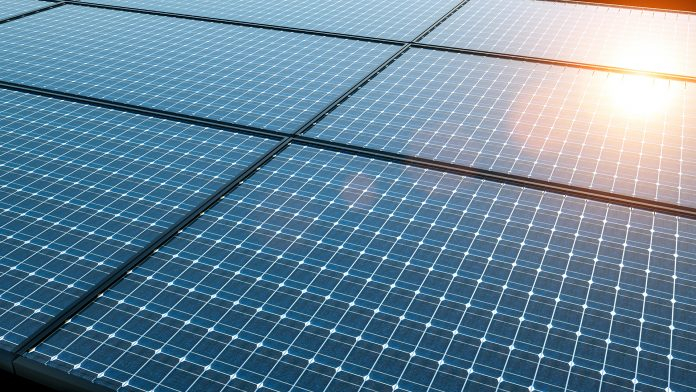
Imagine a future where sunlight powers not just homes and cities but also the smallest corners of our lives—windows that generate electricity, car roofs that charge batteries, or even backpacks that keep devices running. This vision began to take shape in 2009 when a team of scientists, inspired by a mineral first identified in the 19th century, discovered a crystal structure with extraordinary potential to capture sunlight. Their accidental breakthrough with perovskite materials ignited a global race to transform solar energy, promising a blend of efficiency, affordability, and versatility that could redefine renewable power. Perovskite solar cells, as they’re now known, are at the heart of this revolution, offering a glimpse into a cleaner, more sustainable world.
What Are Perovskite Solar Cells?
Perovskite solar cells are an innovative class of photovoltaic technology that leverages metal-halide perovskite materials to convert sunlight into electricity. Named after the mineral perovskite due to their similar crystal structure, these cells typically use organic-inorganic hybrid compounds, such as methylammonium lead triiodide. However, ongoing research explores alternative compositions to enhance safety and performance.
At their core, these cells feature a thin perovskite layer that absorbs sunlight, exciting electrons to generate an electric current. This layer is sandwiched between conductive materials that facilitate the flow of electricity. Unlike traditional silicon-based solar cells, which require high-temperature processing, perovskites can be manufactured using low-temperature, solution-based techniques like spin-coating or inkjet printing. This flexibility allows them to be applied to a variety of surfaces, from rigid panels to flexible substrates, making them highly adaptable.
The simplicity of their production process is a key advantage. Perovskite materials can be synthesized from relatively abundant and inexpensive raw materials, reducing the energy and cost barriers associated with conventional solar cell manufacturing. Their ability to be processed in thin films also means they can be lightweight and versatile, opening up new possibilities for solar energy applications.
Advantages of Perovskite Solar Cells
The promise of perovskite solar cells lies in their remarkable efficiency and cost-effectiveness. In laboratory settings, single-junction perovskite cells have achieved efficiencies exceeding 26%, rivaling the performance of traditional silicon cells. Tandem configurations, which combine perovskite layers with silicon, have pushed efficiencies to nearly 35%, approaching the theoretical limits of photovoltaic performance. This high efficiency stems from the material’s ability to absorb a broad spectrum of light and its tolerance for minor structural defects, which reduces energy losses during operation.
Another major advantage is their versatility. Unlike rigid silicon panels, perovskite cells can be made thin, lightweight, and flexible, enabling integration into diverse surfaces. Imagine solar-powered windows in skyscrapers, curved panels on electric vehicles, or portable chargers embedded in fabrics. This adaptability makes them ideal for applications where traditional solar panels are impractical.
From a manufacturing perspective, perovskite cells require less energy-intensive processes than silicon, which relies on high-temperature refining. Techniques like roll-to-roll printing or slot-die coating allow for scalable, cost-effective production, potentially lowering the price of solar energy. The use of abundant materials further reduces reliance on scarce resources, making perovskite solar cells a sustainable option for widespread adoption.
Economically, these cells could democratize access to solar power. By lowering production costs and enabling new applications, they have the potential to make renewable energy more affordable, particularly in developing regions where energy access remains a challenge. Their scalability also positions them as a viable solution for large-scale solar farms, contributing to global clean energy goals.
Challenges Facing Perovskite Solar Cells
Despite their potential, perovskite solar cells face significant hurdles before they can dominate the solar market. Stability is a primary concern. Perovskite materials are highly sensitive to environmental factors like moisture, oxygen, heat, and prolonged exposure to sunlight. While silicon panels can last 25 years or more, early perovskite prototypes often degraded within months, limiting their practical use in real-world conditions.
The inclusion of lead in many perovskite formulations raises environmental and health concerns. Although the lead content is minimal, any potential leakage during manufacturing, use, or disposal could harm ecosystems. Researchers are exploring lead-free alternatives, such as tin-based perovskites, but these often sacrifice efficiency or stability. Advanced encapsulation techniques are also being developed to seal lead-containing cells and prevent environmental exposure.
Scaling up from small lab samples to large-area modules presents another challenge. Efficiency tends to drop when producing larger panels due to difficulties in maintaining uniform film quality and minimizing defects. The use of toxic solvents in some manufacturing processes further complicates efforts to create sustainable production methods, pushing researchers to develop greener alternatives.
Regulatory and commercial barriers also exist. While perovskite cells show promise in the lab, achieving consistent performance across diverse applications—such as indoor lighting or space environments—requires further optimization. Additionally, the solar industry’s heavy investment in silicon infrastructure means that perovskite technology must prove its reliability and cost advantages to gain widespread adoption.
Latest Developments and Research
As of 2025, research into perovskite solar cells is advancing at a remarkable pace. Single-junction cells have reached certified efficiencies of 26.1%, while tandem cells combining perovskites with silicon have surpassed 33.7%, breaking theoretical limits for single-material devices. Innovations like defect passivation, where chemical treatments reduce energy losses, and interface engineering, which improves charge transfer, have significantly enhanced performance and stability.
Manufacturing techniques are also evolving. Blade coating has achieved 24.3% efficiency over 100 cm² areas, while inkjet printing has produced modules up to 804 cm² with 17.9% efficiency. These advancements bring perovskite cells closer to commercial-scale production. Researchers are also prioritizing sustainability, developing green solvents like γ-valerolactone that have yielded certified efficiencies of 20.2% for mini-modules, reducing the environmental impact of manufacturing.
Perovskite cells are finding applications beyond traditional solar panels. Building-integrated photovoltaics, such as solar windows, are gaining traction, with efficiencies reaching 36% in indoor energy harvesting scenarios. In space, perovskite prototypes have demonstrated resilience in low Earth orbit, enduring harsh radiation and temperature swings. Recycling efforts have made significant strides, with processes achieving nearly 100% lead recovery, addressing concerns about environmental impact.
Future Prospects for Perovskite Technology
The future of perovskite solar cells is bright, particularly in tandem systems that integrate with existing silicon infrastructure. These hybrid cells could boost overall efficiency without requiring a complete overhaul of current solar farms, making them an attractive option for manufacturers. Researchers are optimistic about overcoming stability challenges through advanced encapsulation techniques and material innovations, potentially extending cell lifespans to rival silicon.
Market projections indicate significant growth for perovskite photovoltaics from 2025 to 2035, driven by falling production costs and expanding applications. In portable electronics, their flexibility could enable self-charging devices, such as smartphones or wearables, reducing reliance on external power sources. In transportation, perovskite films could be integrated into electric vehicle surfaces, providing supplementary power to extend driving range.
Sustainability remains a priority. Efforts to develop lead-free perovskites and eco-friendly manufacturing processes are gaining momentum, ensuring that the technology aligns with global environmental goals. As demand for clean energy rises, perovskite solar cells could play a pivotal role in achieving net-zero carbon emissions, particularly in regions with limited access to traditional energy infrastructure.
Conclusion
Perovskite solar cells represent a transformative leap in renewable energy, blending high efficiency, affordability, and versatility in ways that traditional silicon panels cannot match. While challenges like stability, scalability, and environmental concerns remain, the rapid pace of innovation—evidenced by record-breaking efficiencies and sustainable manufacturing advances—signals a promising future. From powering skyscrapers to charging remote devices, these cells have the potential to make solar energy more accessible and integrated into daily life. As research and industry converge to overcome current limitations, perovskite solar cells are poised to illuminate the path toward a cleaner, more sustainable world, harnessing the sun’s power like never before.

 English
 French
 Spanish
 Portuguese
 Deutsch
 Turkish
 Dutch
Dutch
 Italiano
 Russian
 Romaian
 Portuguese (Brazil)
 Greek
Greek
