


 Pro Benefits
 Über
Über
 Bedingungen
 Datenschutz
 Benachrichtigungen
Afghanistan Tour Packages: How Journalists Actually Travel and Report Safely

Reporting From Afghanistan: How Travel Planning Really Works on the Ground
Covering Afghanistan requires more than courage and a press card. For international journalists, producers, and documentary teams, the difference between a productive assignment and a compromised one often comes down to logistics: secure transport, reliable local coordination, trusted translators, and realistic movement planning. These are not “extras” but operational necessities in a complex reporting environment.
This is where structured travel frameworks matter. Many media professionals encounter the concept of Afghanistan tour packages not as leisure products, but as logistical models designed to combine mobility, safety protocols, local knowledge, and contingency planning into one operational plan.
This article explains how such arrangements function in practice, what journalists should expect, and how to evaluate on-ground support in a country where conditions can change quickly.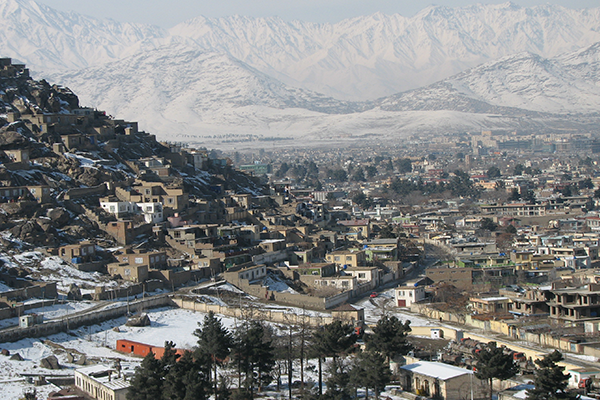
Why Afghanistan Reporting Demands More Than Standard Travel Planning
Journalism in Afghanistan is shaped by geography, infrastructure gaps, regional security variations, and administrative complexity. Even short reporting trips can involve:
-
Multiple security checkpoints
-
Limited road signage and inconsistent mapping
-
Unpredictable travel times
-
Language barriers across provinces
-
Rapidly changing local conditions
For foreign crews, navigating this environment independently is rarely efficient or safe. Standard travel planning—booking a hotel, arranging a driver, coordinating interviews remotely—often falls short.
Instead, most experienced correspondents rely on structured field support models that combine:
-
Route planning and risk assessment
-
Vehicle provisioning (armored or soft-skin depending on area)
-
Local fixers and translators
-
Permit and access coordination
-
Redundant communication channels
This is the operational foundation behind modern Afghanistan tour packages used by media organizations—not tourism in the traditional sense, but logistics-driven field deployment.
Inside Modern Afghanistan Tour Packages for Journalists
For reporters, “tour packages” can be a misleading phrase. In professional practice, these packages function more like mobile operations units.
A typical media-focused package may include:
Secure mobility
-
Professionally maintained vehicles
-
Drivers trained for conflict-adjacent environments
-
Optional armored transport based on risk profile
Human intelligence on the ground
-
Local fixers with regional networks
-
Professional interpreters (Dari, Pashto, English)
-
Cultural advisors
Operational coordination
-
Daily route planning
-
Access facilitation for interviews
-
Local authority liaison when required
Technical continuity
-
SIM provisioning and connectivity planning
-
Backup transport options
-
Emergency protocols
Organizations such as Afghan Logistics & Tours Pvt. Ltd operate in this space by structuring travel as an integrated field service rather than a hospitality product, particularly for NGOs, journalists, and diplomatic visitors.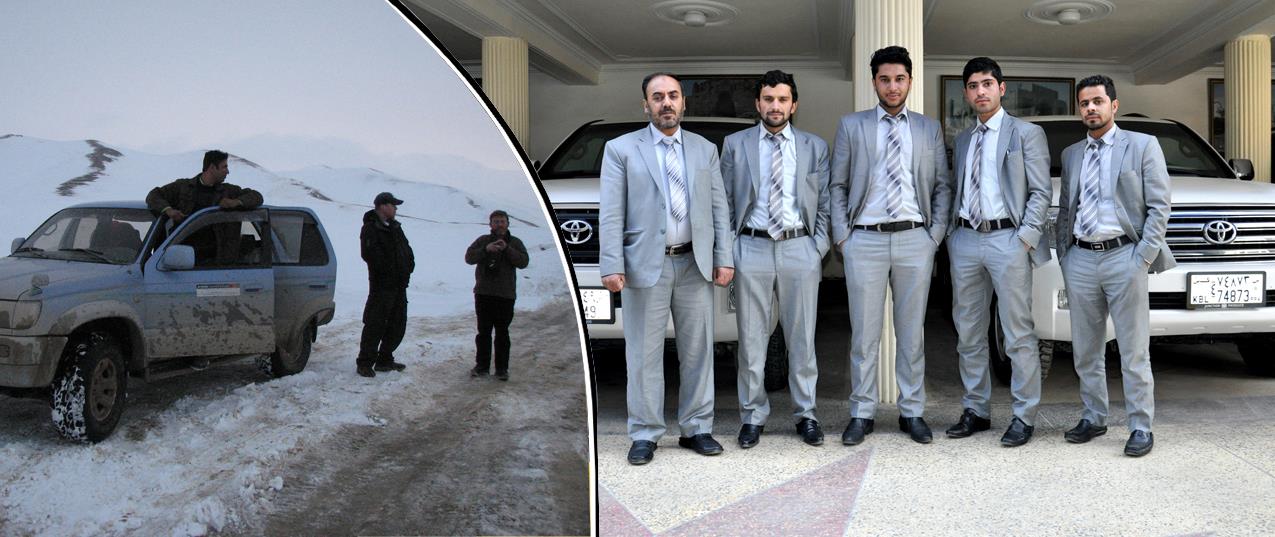
Transport, Fixers, Translators: The Real Reporting Infrastructure
While headlines often focus on security, the less visible elements determine whether reporting schedules hold together.
Transport reliability
Vehicles are not just transportation—they are workspaces, storage units, and emergency shelters. Media teams often spend 6–10 hours per day inside them. Reliability, maintenance standards, and driver familiarity with terrain directly affect productivity.
Fixers as operational anchors
A professional fixer is not only a translator but also:
-
A cultural interpreter
-
A source validator
-
A logistics coordinator
-
A risk filter
They often arrange last-minute interviews, interpret subtle local dynamics, and warn teams away from volatile situations before problems surface.
Translation accuracy
Misinterpretation in sensitive interviews can distort facts or escalate tensions. High-quality translation is therefore a security and editorial issue, not merely a linguistic one.
This ecosystem—vehicles, fixers, translators, coordination staff—is the backbone of serious Afghanistan tour packages designed for field reporting.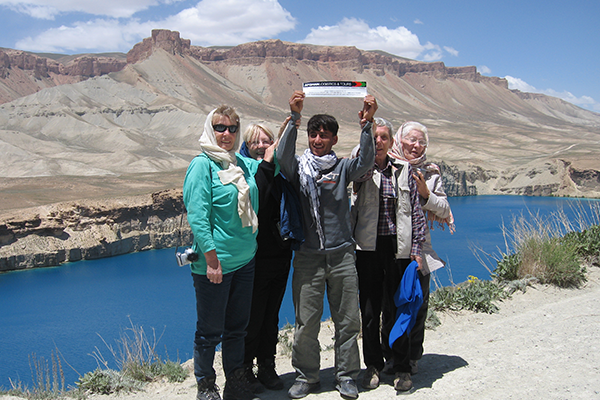
Security Planning Is a Process, Not a Promise
No provider can guarantee safety in a conflict-affected country. What matters is structured risk management.
Professional operators typically rely on:
-
Daily security briefings
-
Local intelligence networks
-
Route variation strategies
-
Real-time communication with dispatch centers
-
Coordination with international NGOs and monitoring groups
Journalists should look for transparency rather than marketing language. A credible provider will explain:
-
What information sources they monitor
-
How route decisions are made
-
What happens when conditions change
-
Who authorizes movement cancellations
Organizations like Afghan Logistics & Tours Pvt. Ltd emphasize procedural planning over blanket assurances, reflecting how serious field operations actually function.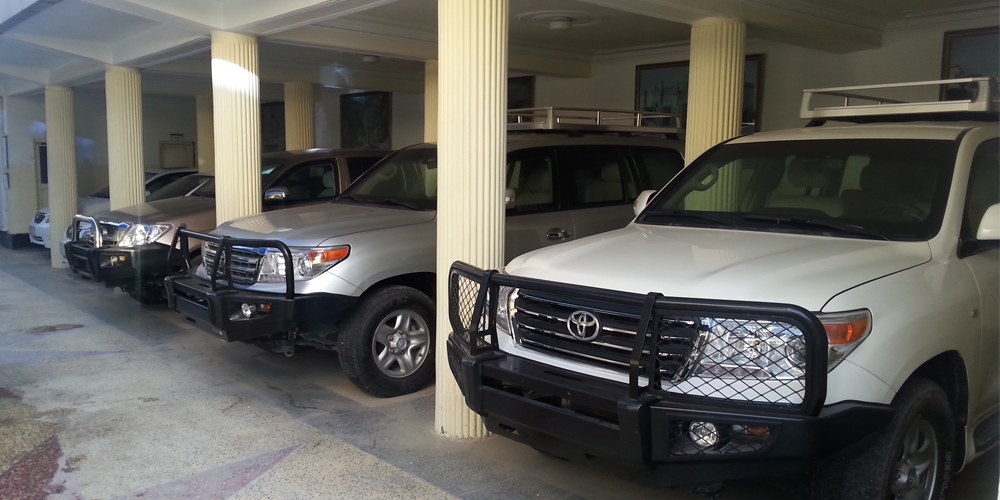
Choosing a Logistics Partner: What Journalists Should Evaluate
When selecting local support, reporters should assess more than price or availability.
Key evaluation criteria include:
Operational history
How long has the company worked with foreign media or NGOs?
Fleet ownership and maintenance
Are vehicles owned and serviced in-house or subcontracted?
Staff continuity
Are fixers and drivers permanent staff or ad-hoc contractors?
Geographic reach
Can the provider support work outside major cities?
Administrative competence
Can they assist with permits, access letters, or sudden itinerary changes?
Communication infrastructure
Is there 24/7 coordination capability?
A provider like Afghan Logistics & Tours Pvt. Ltd, with long-term presence and multi-city operations, typically offers institutional memory that short-term operators lack.
Ethics, Culture, and Reporting Responsibly
Beyond logistics, responsible reporting in Afghanistan involves cultural awareness and ethical engagement.
Professional field partners often brief journalists on:
-
Local customs and dress norms
-
Photography etiquette
-
Gender-sensitive interviewing practices
-
Community engagement expectations
This preparation reduces friction and helps avoid unintentionally placing local contacts at risk.
Modern Afghanistan tour packages increasingly integrate this dimension, recognizing that ethical fieldwork is inseparable from effective journalism.
Logistics as an Enabler of Editorial Independence
Strong logistics does not control a story—it enables it.
When transport is dependable, translators are accurate, and daily coordination functions smoothly, journalists can:
-
Spend more time verifying sources
-
Travel beyond capital-city narratives
-
Respond quickly to breaking developments
-
Protect local contributors
-
Maintain editorial focus
In this sense, logistics becomes a form of press infrastructure, as essential as satellite phones or protective gear.
Companies such as Afghan Logistics & Tours Pvt. Ltd operate largely behind the scenes, but their role shapes how international audiences ultimately understand events inside the country.
Final Thoughts: Planning as the First Act of Reporting
Afghanistan remains one of the most challenging environments for international journalism. The stories are complex, the terrain demanding, and the margin for error narrow.
For media teams, structured field support—often organized through professionally designed Afghanistan tour packages—is less about convenience and more about operational survival. It allows reporters to move deliberately rather than reactively, to plan rather than improvise, and to prioritize accuracy over logistics firefighting.
In modern conflict reporting, the quality of preparation often determines the quality of the story.


 English
 Arabic
 French
 Spanish
 Portuguese
 Turkish
 Dutch
Dutch
 Italiano
 Russian
 Romaian
 Portuguese (Brazil)
 Greek
Greek
