


 Pro Benefits
 Σχετικά
 Όρους
Όρους
 Ιδιωτικότητα
 Child Safety & Protection
 Ειδοποιήσεις
 Ayrush Global It Services Pvt Ltd
How I Knew I Had Stomach Cancer – And How It Compares to Colon Cancer
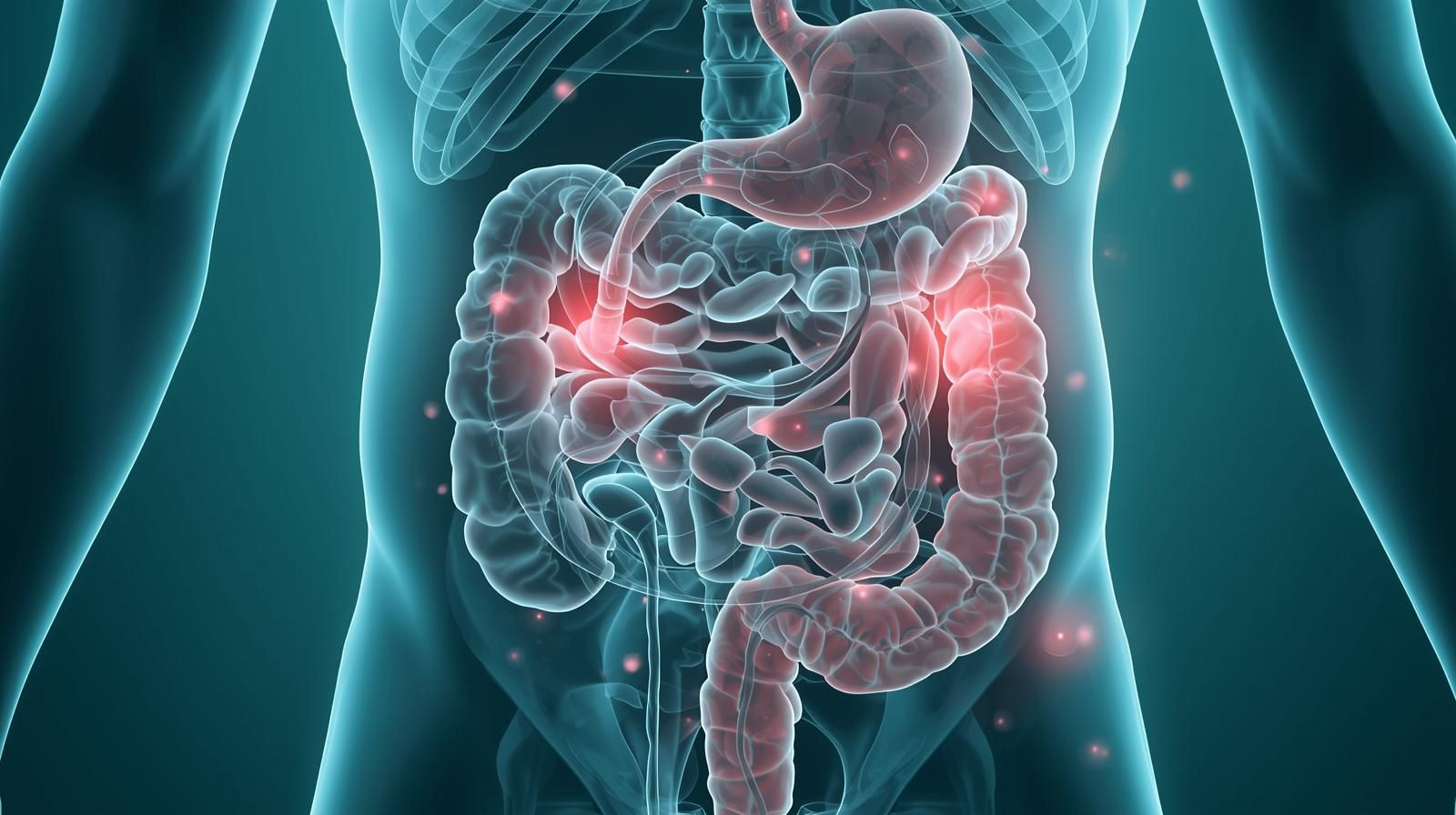
Stomach cancer (also called gastric cancer) is one of those diseases that often hides in plain sight. For many people, the early signs are so mild or common that they get dismissed as everyday issues like stress, bad diet, acid reflux, or simple indigestion. By the time symptoms become impossible to ignore, the cancer may have already progressed. This is why awareness matters — and why sharing real experiences can help others recognize when something isn't right.
This article draws from survivor stories shared across medical centers (like MD Anderson and American Cancer Society patient accounts), forums, and recent medical sources to highlight how people often first suspected or discovered their stomach cancer. These are not one-size-fits-all experiences, but patterns emerge that anyone can learn from.
We'll also compare stomach cancer symptoms directly to those of colon cancer (colorectal cancer), as both are gastrointestinal cancers but present differently due to their locations — upper digestive tract for stomach, lower/large intestine for colon. Understanding these differences can help prioritize what to watch for and when to seek help.
How I Knew I Had Stomach Cancer
Persistent Indigestion or Heartburn That Won't Go Away
One of the most frequently mentioned early clues is ongoing upper abdominal discomfort that feels like chronic heartburn, acid reflux, or indigestion. Survivors often describe trying antacids, changing diets, or taking medications like PPIs for months — sometimes years — without lasting relief.
- Many report a burning or gnawing sensation in the center or upper stomach, especially after eating.
- In survivor accounts: "I started having a burning, gnawing pain in the center of my stomach" — this was sometimes at younger ages than typical.
- Others note it mimics GERD so closely that doctors initially treat it as such, only for symptoms to persist or worsen.
If indigestion lingers beyond a few weeks despite treatment, it's worth pushing for further checks like an endoscopy.
Feeling Full Too Quickly (Early Satiety) and Loss of Appetite
A classic red flag is suddenly feeling uncomfortably full after eating just a small amount of food — often described as bloating, pressure, or nausea after meals. Appetite drops noticeably, and eating becomes a chore.
- Survivors frequently say they could only manage a few bites before feeling stuffed or queasy.
- This ties into unexplained weight loss, which becomes hard to ignore when clothes start fitting loosely without any intentional dieting.
- One common thread: persistent discomfort after meals, occasional nausea, and a tendency to feel full easily — symptoms that built over time before diagnosis.
This symptom is particularly sneaky because it can be blamed on aging, stress, or portion control.
Unexplained Weight Loss and Fatigue
Rapid, unintentional weight loss is often the tipping point that sends people to the doctor. Combined with extreme tiredness or weakness, it raises alarms.
- Many describe losing 10–20+ pounds in a short period without trying.
- Fatigue hits hard — some felt it as constant exhaustion; others noticed anemia symptoms like paleness or shortness of breath from slow internal bleeding.
- In accounts: "Fatigue is what finally drove me to the doctor," or extreme tiredness paired with heartburn and pain.
Weight loss + fatigue is a combo that deserves prompt medical attention, as it can signal hidden bleeding from the tumor.
Abdominal Pain, Nausea, Vomiting, or Swallowing Issues
Pain can start vague and dull in the upper belly, then intensify. Nausea, vomiting (sometimes with blood or "coffee-ground" appearance), or trouble swallowing emerge in more advanced cases.
- Some report black, tarry stools (melena) from bleeding, or vomiting episodes that lead to emergency visits.
- Difficulty swallowing or food feeling "stuck" appears where the tumor affects the upper stomach or esophagus junction.
Incidental or "Silent" Discoveries
Not everyone has dramatic symptoms. Some find out through routine checks, unrelated tests, or screening due to family history or genetic risks (like CDH1 mutation).
- In cases: anemia showed up on bloodwork, prompting an endoscopy that revealed early-stage cancer.
- Others had no major issues until an emergency visit uncovered it.
The Path to Diagnosis
Confirmation almost always comes from an upper endoscopy (gastroscopy) with biopsies — the only way to visualize the stomach lining and test tissue. Blood tests, CT scans, or ultrasounds follow for staging.
Survivors stress: Don't wait if symptoms persist. Many regret delaying because initial dismissals (as "just reflux" or "ulcers") allowed progression.
How Stomach Cancer Symptoms Compare to Colon Cancer
Both cancers can be silent early on and share some red flags like unexplained weight loss, fatigue, and anemia from bleeding. However, their typical presentations differ due to location: stomach cancer causes more "upper GI" issues, while colon cancer affects bowel habits and lower GI bleeding.
Here's a clear side-by-side comparison based on sources like the American Cancer Society, Mayo Clinic, and recent medical overviews:
| Aspect | Stomach Cancer (Gastric) Symptoms | Colon Cancer (Colorectal) Symptoms |
|---|---|---|
| Primary Location of Issues | Upper abdomen (stomach area); "indigestion-like" complaints | Lower abdomen, bowel/rectal area; changes in stool/bowel movements |
| Most Common Early/Noticeable Signs | - Persistent indigestion, heartburn, or acid reflux that doesn't respond to treatment - Feeling full quickly after small meals (early satiety) - Bloating or nausea after eating - Loss of appetite | - Changes in bowel habits (diarrhea, constipation, alternating, or narrower stools) - Feeling bowels don't empty completely - Frequent gas pains or cramps - Rectal bleeding or blood in/on stool (often bright red) |
| Bleeding-Related | - Black, tarry stools (melena) from upper GI bleeding - Vomiting blood or "coffee-ground" material (less common early) | - Bright red blood on stool/toilet paper (from lower colon/rectum) - Dark blood mixed in stool - Often more visible/noticeable |
| Pain/Discomfort | Dull, gnawing, or burning pain in upper belly; may worsen after eating | Crampy or colicky lower abdominal pain; often tied to bowel movements |
| Systemic/Red Flags | - Unexplained weight loss (very prominent) - Fatigue/anemia from chronic bleeding - Swallowing difficulties (if near esophagus) | - Unexplained weight loss - Fatigue/anemia (from bleeding) - Sometimes obstruction (severe pain, vomiting) in advanced cases |
| How "Sneaky" It Is | Often very silent early; symptoms mimic GERD/ulcers → diagnosed later (many at advanced stage) | Can be silent early, but bowel changes/visible blood often noticed sooner; screening catches many early |
These patterns come from trusted sources (e.g., American Cancer Society signs/symptoms pages, updated through 2025). Stomach cancer symptoms are more upper-focused and vague, while colon cancer often involves visible bowel/bleeding changes — making it somewhat easier to spot early in many cases.
In Hong Kong (latest 2023 data from Hong Kong Cancer Registry, released 2025): Colorectal cancer remains far more common (~5,467 new cases, top rankings), while stomach cancer is lower (~1,284 new cases, around rank 7–8). Colorectal screening (e.g., FIT tests) helps catch it earlier here, contributing to better outcomes compared to stomach cancer, which lacks routine population screening.
Final Thoughts: Listen to Your Body
Stomach cancer symptoms overlap with many benign conditions (H. pylori, ulcers, functional dyspepsia), so they're easy to downplay. But persistence is key — especially unexplained weight loss, ongoing upper GI issues, or fatigue.
For colon cancer concerns, watch for bowel changes or visible blood. If symptoms persist >2–4 weeks (for either), see a doctor and consider appropriate tests: endoscopy for stomach concerns, colonoscopy for colon.
Early detection dramatically improves outcomes — in high-screening areas, survival soars. You're not overreacting by getting checked; you're advocating for your health.
If this resonates or you're facing similar symptoms, reach out to a healthcare professional soon (in Hong Kong, gastroenterologists or public/private clinics can help). Sharing stories like these saves lives — and you're not alone.
(For educational purposes only; always consult a doctor for personal concerns. Data reflects trends up to 2025–2026 sources.)

 English
 Arabic
 French
 Spanish
 Portuguese
 Deutsch
 Turkish
 Dutch
Dutch
 Italiano
 Russian
 Romaian
 Portuguese (Brazil)
