


 Pro Benefits
 About
About
 Termeni
 Confidențialitate
 Child Safety & Protection
 Notificări
 Ayrush Global It Services Pvt Ltd
Understanding Carpal Tunnel Injections
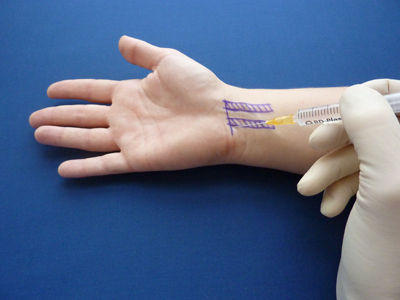
Carpal tunnel syndrome is one of the most common conditions affecting the hands and wrists, causing discomfort that ranges from mild tingling to severe pain. The condition occurs when the median nerve, which passes through a narrow tunnel in the wrist, becomes compressed. This tunnel is made up of bones and ligaments, and because it is such a confined space, even minor swelling can create pressure on the nerve. Symptoms often include numbness in the thumb and fingers, weakness in hand grip, and nighttime discomfort that interrupts sleep.
The impact on daily life can be significant. Activities like typing, driving, holding a phone, or even grasping household items become challenging. Left untreated, the condition can lead to worsening symptoms and reduced hand functionality. That’s why many patients seek medical solutions beyond basic rest and lifestyle modifications.
Traditional Approaches to Management
Before considering advanced therapies, doctors usually recommend conservative measures. These include wearing wrist splints, especially at night, to keep the hand in a neutral position and reduce pressure on the nerve. Over-the-counter anti-inflammatory medications may also be suggested to ease pain and swelling.
Lifestyle modifications, such as taking breaks from repetitive tasks, improving posture at workstations, and incorporating hand exercises, often bring relief in the early stages. However, when symptoms persist or interfere with daily life, more targeted medical interventions become necessary.
The Role of Injections in Treatment
One of the more direct medical options available involves the use of injections designed to reduce inflammation and pressure in the wrist. These injections typically contain corticosteroids, a type of medication known for its strong anti-inflammatory properties. When delivered directly into the carpal tunnel, the medication can help calm irritation and swelling around the median nerve.
The procedure is relatively quick and can often be performed in a doctor’s office. Patients usually experience some degree of relief within days, though the duration and effectiveness can vary depending on the severity of the condition and individual response.
How the Procedure is Performed
When a patient is scheduled for a carpal tunnel injections, the healthcare provider begins by reviewing symptoms and confirming the diagnosis, often using a combination of physical examination and diagnostic tests. Once the treatment is deemed appropriate, the procedure typically involves cleansing the area to reduce the risk of infection, applying a local anesthetic to minimize discomfort, and then carefully guiding the needle into the carpal tunnel space.
Many providers use ultrasound guidance to ensure precise placement of the medication. This approach minimizes risks and increases the likelihood that the corticosteroid reaches the intended location. The injection itself takes only a few minutes, and most patients are able to return to normal activities shortly afterward, although resting the hand for the remainder of the day is usually advised.
Benefits and Effectiveness
The most notable benefit of this approach is its ability to provide relatively rapid relief from symptoms. For many individuals, numbness and pain decrease significantly within a short period of time, allowing them to return to work and daily activities with greater comfort. In some cases, relief may last for weeks or even months.
Another advantage is that the procedure is minimally invasive compared to surgical options. It does not require an operating room, stitches, or extended recovery time. For patients hesitant about undergoing surgery, this can serve as a valuable middle ground.
That being said, it is important to remember that results can vary. Some individuals may experience dramatic improvements, while others may only notice partial relief. Additionally, the effects are not always permanent, and repeat treatments or alternative approaches may eventually be needed.
Possible Risks and Considerations
Like any medical procedure, injections come with potential risks, although serious complications are rare. Common temporary side effects include mild soreness, redness, or swelling at the injection site. Some patients may also notice a temporary increase in pain before the medication begins to work.
More uncommon risks include infection, nerve irritation, or weakening of nearby tendons. Repeated injections over time may also increase the risk of side effects, which is why doctors typically recommend limiting how frequently they are performed. A careful discussion with a healthcare provider ensures that patients understand both the benefits and limitations before moving forward.
Comparing Injections to Other Treatments
When carpal tunnel injections options, it helps to compare injections with alternatives. Non-surgical measures such as splints, physical therapy, and ergonomic changes are often effective for mild cases and carry virtually no risk. Surgery, on the other hand, offers a more permanent solution by physically releasing the pressure on the median nerve but requires longer recovery and carries the inherent risks of an operation.
Injections fall somewhere in between. They are more aggressive than lifestyle modifications but less invasive than surgery, making them an appealing option for patients who need significant relief but are not yet ready for a surgical approach. For many, injections serve as a temporary solution that helps manage symptoms until long-term decisions can be made.
Recovery and Aftercare
After receiving an carpal tunnel injections, most patients are advised to rest the wrist for the day. Some may notice mild discomfort at the site, but this usually resolves quickly. Within a few days, the therapeutic effects typically begin to appear, offering noticeable improvements in function and comfort.
To maximize benefits, patients are often encouraged to combine the treatment with lifestyle adjustments. For example, continuing to use ergonomic tools at work, performing gentle stretching exercises, and avoiding repetitive strain can prolong the positive effects. Regular follow-ups with the healthcare provider also ensure that progress is monitored and any recurrence of symptoms is addressed promptly.
Who Might Benefit Most
Not every individual with wrist discomfort is an ideal candidate for injections. The treatment is usually recommended for people with moderate symptoms who have not found sufficient relief from basic measures. It may also be a suitable option for individuals who need rapid improvement to continue working or carrying out essential tasks.
Those with more severe or chronic symptoms may eventually require surgical intervention, but injections can still play an important role by providing temporary relief until surgery is scheduled. On the other hand, people with only mild or occasional symptoms may find that non-invasive methods remain the best starting point.
Long-Term Outlook
While carpal tunnel injections can be highly effective in the short term, they are not always a permanent solution. Some patients experience repeated flare-ups after several months, requiring further evaluation. The key to long-term management often lies in a multi-faceted approach that includes not just medical treatment, but also preventive strategies such as ergonomic modifications, strengthening exercises, and lifestyle changes.
In some cases, injections serve as a bridge—providing symptom relief until a more definitive solution is pursued. For others, they may offer enough ongoing relief to avoid surgery altogether. Understanding that every case is unique helps set realistic expectations and guides patients toward the most suitable plan.
Psychological and Quality of Life Considerations
Beyond the physical symptoms, wrist pain can take a toll on mental well-being. The frustration of being unable to perform simple tasks, the interruption of sleep, and the fear of worsening symptoms can create significant stress. By reducing pain and improving function, injections can provide not just physical relief but also a psychological boost.
Restoring the ability to work comfortably, enjoy hobbies, and sleep soundly has a profound impact on quality of life. For many, this renewed sense of independence and productivity is just as important as the physical improvements.
Final Thoughts
carpal tunnel injections can be a disruptive and painful condition, but modern medical approaches offer a variety of ways to manage it effectively. Injections represent a valuable tool in the spectrum of available treatments, providing rapid relief and allowing patients to regain control over their daily activities. While not a permanent cure for everyone, they play a crucial role for those seeking a balance between conservative methods and surgical intervention.
 Romaian
 English
 Arabic
 French
 Spanish
 Portuguese
 Deutsch
 Turkish
 Dutch
Dutch
 Italiano
 Russian
 Portuguese (Brazil)
 Greek
Greek
