


 Pro Benefits
 Über
Über
 Bedingungen
 Datenschutz
 Benachrichtigungen
The Hidden Health Risks of Mold in Clothing and Linens
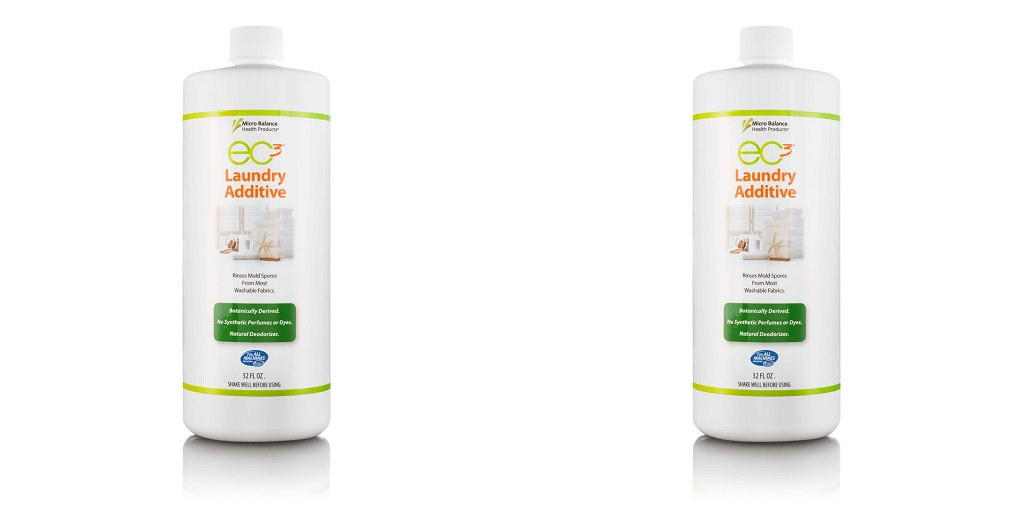
Mold isn’t just something that you find creeping along the tiles of your bathroom or lurking in a damp basement. It can quietly take over your clothes, towels, bedsheets, and blankets, too. Because fabric absorbs moisture so easily, mold in clothing and linens often goes unnoticed until it starts affecting your health. Here’s an overview on why this happens, what it does to your body, and how you can protect yourself with products like Micro Balance Health Products’ EC3 Laundry Additive:
Why Mold Loves Fabric So Much
Clothing and linens are basically a five-star hotel for mold. They hold moisture, trap warmth, and often sit in dark places like closets, hampers, or wardrobes. When damp laundry is left too long in the washer or folded before fully drying, mold spores can settle in and multiply, fast. Even clean fabrics aren’t safe if they’re stored in humid conditions.
Once mold takes hold, it doesn’t always show obvious black or green spots. Sometimes, the only clue is a distinctly musty smell that refuses to disappear, no matter how many times you wash the item.
How Moldy Clothes Affect Your Breathing
Respiratory irritation is one of the most common health issues linked to mold in clothing and linens. When you wear or sleep on moldy fabric, you’re breathing in mold spores for hours at a time. This can trigger symptoms like coughing, sneezing, congestion, and even a tight feeling in the chest.
For people with asthma, allergies, or sinus problems, exposure can make symptoms flare up quickly. Even those without existing conditions may notice headaches or persistent throat irritation after long-term exposure.
Skin Problems You Might Not Expect
Your skin spends all day pressed against clothing and several hours each night against bedsheets. Mold can irritate the skin, leading to rashes, itchiness, or redness that looks like an allergic reaction. Because these symptoms can resemble eczema or contact dermatitis, mold is often overlooked as the cause.
Sensitive skin is especially vulnerable, but anyone can react if exposure is frequent enough. Towels, underwear, and workout clothes are common culprits because they’re often damp and in direct contact with skin.
Sleep Disruption and Everyday Fatigue
Sleeping on moldy linens doesn’t just affect your lungs or skin. It can also interfere with the quality of your sleep. Mold exposure has been linked to sinus congestion and headaches that worsen at night, making it harder to rest deeply.
Poor sleep can lead to daytime sleepiness and fatigue, trouble focusing, and irritability. If you wake up feeling stuffy or exhausted for no clear reason, your bedding might be part of the problem.
How to Keep Mold Out of Your Wardrobe
Preventing mold in clothing and linens starts with moisture control. Always dry laundry completely before folding or storing it, even if it feels mostly dry. Make sure closets and storage areas have good airflow, especially in humid climates.
If an item smells musty after washing, don’t ignore it. Rewash it promptly and dry it thoroughly in sunlight or a hot dryer if the fabric allows. Regularly washing sheets and towels also reduces the chance of mold building up over time.
Finally, you can use something like Micro Balance Health Products’ EC3 Laundry Additive to remove mold, bacteria, and musty odors from clothing, towels, linens, athletic wear, and other regularly laundered items. It contains food-grade citrus seed extracts and tea tree oils, and only needs to be added to every rinse cycle.
For more information about Sanitizer Fogger and Mold Detox Supplements Please visit: Micro Balance Health Products.

 English
 Arabic
 French
 Spanish
 Portuguese
 Turkish
 Dutch
Dutch
 Italiano
 Russian
 Romaian
 Portuguese (Brazil)
 Greek
Greek
