


 Pro Benefits

 الشروط
 الخصوصية
 الإشعارات
From Scrap to Sustainability: How Cash-for-Cars Programs Quietly Power the Circular Economy
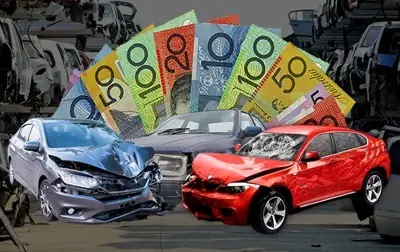
Old cars sit in driveways, paddocks, and garages across Australia. Some no longer start. Some fail road checks. Others cost more to repair than they are worth. Many people see these vehicles as useless. In reality, they play an important role in the circular economy.
Cash-for-cars programs help move unwanted vehicles out of homes and into recycling systems. These systems reduce waste, save natural resources, and support local industries. This process often happens out of sight, yet its impact reaches far beyond the scrap yard gate.
This article explores how old cars move from scrap to sustainability. It explains how materials get reused, how waste gets reduced, and why this process matters for the future.
Understanding the Circular Economy in Simple Terms
The circular economy focuses on reuse. Instead of making products, using them once, and throwing them away, materials stay in use for as long as possible. Items get repaired, reused, or recycled.
Cars fit well into this idea. A vehicle contains steel, aluminium, copper, rubber, plastic, and glass. These materials do not lose their purpose once the car stops running. They only need the right process to return to use.
Cash-for-cars programs help start this cycle. They move unused vehicles into recycling channels where parts and materials gain new life.
What Happens When a Car Leaves the Road
Once a car reaches the end of its driving life, several steps follow.
First, the vehicle gets checked. Fluids such as oil, fuel, and coolant get drained. These liquids can harm soil and water if left untreated. Recycling centres handle them in controlled ways.
Next, usable parts get removed. Engines, gearboxes, doors, mirrors, alternators, and batteries often still work. These parts support repairs for other vehicles and reduce the need to produce new components.
After that, the car shell gets crushed and shredded. Metals get sorted using magnets and other tools. Steel and aluminium then move to foundries where they turn into raw material again.
This process keeps large amounts of waste out of landfill.
How Vehicle Recycling Reduces Environmental Pressure
Mining new metals takes energy. It also disturbs land and uses water. Recycling metal from old cars uses less energy and reduces the need for new mining activity.
Steel recycling saves large amounts of iron ore and coal. Aluminium recycling uses far less energy than producing aluminium from bauxite. Copper recovery supports electrical and construction industries.
Rubber from tyres can turn into road base or playground surfaces. Glass can return as new glass products. Even plastics find reuse in building materials.
Each recycled car supports cleaner production methods across many sectors.
The Role of Cash-for-Cars Programs
Cash-for-cars programs encourage people to release unused vehicles. Many owners keep old cars because they see no reason to move them. These programs give a clear reason to act.
Once vehicles enter recycling systems, materials move back into circulation. This supports manufacturers, repair shops, and metal producers.
These programs also reduce illegal dumping. Abandoned vehicles cause pollution and safety risks. Organised removal prevents this outcome.
Through these steps, cash-for-cars programs support a steady flow of materials in the economy.
Social and Economic Impact
Vehicle recycling supports jobs. Workers dismantle cars, sort materials, transport scrap, and manage recycling plants. These roles support local economies.
The reuse of parts helps keep repair costs lower for drivers. Instead of buying new parts, mechanics often source used components that still work well.
This system also supports smaller businesses. Wrecking yards, metal processors, and transport operators all rely on steady vehicle supply.
The circular economy works best when many sectors connect. Cash-for-cars programs help create these connections.
A Local Example Within the Industry
Within this broader system, services such as Sydney Car Removal operate as a link between vehicle owners and recycling networks. By collecting unwanted cars and directing them into proper dismantling and recycling channels, such services support the same cycle described above. This approach helps ensure that vehicles do not sit unused or end up dumped. It also supports the reuse of materials and parts across New South Wales. Many people searching for Car Removal Sydney services play a role in this process without realising their choice contributes to resource recovery and waste reduction.
Why Old Cars Still Matter
A car that no longer drives still holds purpose. Its metal structure can return as construction material. Its wiring can support new electrical systems. Its engine parts may keep another vehicle on the road.
Scrap yards do not mark the end of a vehicle story. They mark a change in form.
When people understand this, attitudes shift. Old cars stop being seen as clutter. They become part of a wider system that supports sustainability.
Reducing Landfill Through Better Choices
Landfill space remains limited. Large items such as cars take up room and leak harmful substances over time.
Vehicle recycling removes this risk. Controlled dismantling keeps toxins away from soil and waterways. This protects local ecosystems.
Councils and governments support these practices through environmental rules. Cash-for-cars programs work within these frameworks and support compliance.
Each recycled vehicle reduces landfill pressure and supports cleaner communities.
The Future of Vehicle Recycling
As electric vehicles increase, recycling methods will adapt. Batteries require careful handling. New materials enter the system.
The circular economy will rely even more on proper end-of-life processes. Cash-for-cars programs will remain part of this transition.
Research continues into better material recovery. Improved sorting and processing methods increase reuse rates.
The core idea stays the same. Resources should remain in use rather than become waste.
Making Sustainability Part of Daily Decisions
Sustainability does not always involve big actions. Sometimes it begins with small choices.
Deciding what to do with an old car forms one such choice. When that vehicle enters a recycling system, it supports material recovery, job creation, and environmental care.
Cash-for-cars programs turn forgotten vehicles into useful resources. They quietly power the circular economy through everyday actions.
The next time an unused car sits in a driveway, its future holds more than rust. It holds the chance to support a cycle that keeps materials moving and waste reducing across Australia.


 English
 French
 Spanish
 Portuguese
 Deutsch
 Turkish
 Dutch
Dutch
 Italiano
 Russian
 Romaian
 Portuguese (Brazil)
 Greek
Greek
