


 Pro Benefits
 Σχετικά
 Όρους
Όρους
 Ιδιωτικότητα
 Ειδοποιήσεις
Will Cars Ever Be Truly Disposable? The Future of Automotive Recycling
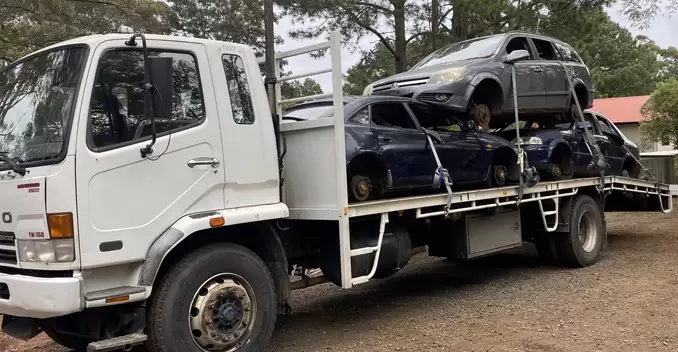
The idea of a disposable car sounds strange. Cars cost a lot to make, use many raw materials, and last for years. Still, people often talk about a future where products get used and replaced without much thought. This raises a big question. Will cars ever reach a point where they are treated as throwaway items?
To answer this, it is important to look at how cars are built, how long they last, and what happens when they reach the end of their road life. Automotive recycling plays a major role in this story, especially in Australia, where waste rules and resource limits shape how vehicles are handled.
What Disposable Really Means for Cars
A disposable product is used for a short time and then thrown away. This idea works for small items like packaging. It does not fit well with cars.
Cars are complex machines. They contain steel, aluminium, copper, rubber, glass, plastics, and electronics. Making a single car uses a large amount of energy and raw materials. Because of this, throwing away a whole car after short use would create serious waste problems.
Also, most cars stay on the road for over a decade. In Australia, many vehicles last fifteen years or more. This long lifespan already works against the idea of disposability.
How Automotive Recycling Works Today
When a car reaches the end of its usable life, it does not become rubbish right away. It goes through a clear process.
First, usable parts get removed. Engines, gearboxes, panels, and interior items often get reused. This keeps working parts in circulation.
Next, fluids like oil, fuel, and coolant get drained. These liquids can harm soil and water if left unmanaged.
Then the remaining shell gets crushed and shredded. Metals get separated using magnets and other sorting tools. Steel and aluminium get melted and used again.
Facts show that metal recycling saves large amounts of raw ore and energy. Steel can be recycled many times without losing strength. This makes cars far from disposable, even after they stop running.
Recycling Rates and Real Limits
Globally, cars are among the most recycled consumer products. In many developed countries, around three quarters of a car by weight gets reused or recycled. Some regions aim even higher.
Yet, not every part can be reused. Certain plastics, foams, and mixed materials still end up as waste. Electronics also pose challenges due to complex design.
This shows a clear limit. Cars can never be fully recycled with zero waste under current methods. This alone prevents cars from becoming truly disposable.
Electric Cars and New Challenges
Electric vehicles change the recycling picture. They remove the engine and add large batteries, electric motors, and power controls.
Lithium ion batteries contain valuable materials such as lithium, cobalt, and nickel. Recycling these materials matters because mining them takes a heavy toll on land and water.
Battery recycling systems are growing, though they still face scale and cost limits. As more electric cars reach the end of their life, battery recovery will shape the future of automotive recycling.
This shift shows that cars are moving further away from disposability. Each battery pack holds too much material worth to waste.
Environmental Pressure and Waste Rules
Australia has strict waste rules compared to the past. Landfill space is limited. Metal dumping gets restricted. Environmental harm from vehicles gets more attention.
Cars left to rot can leak oil, brake fluid, and battery acid. These substances damage soil and waterways. Because of this, proper end of life handling is not optional.
Recycling supports national goals on waste reduction and resource reuse. These goals work against any idea of cars becoming throwaway items.
Design Changes That Support Recycling
Car makers now think about end of life stages during design. Parts get labelled by material type. Fasteners get placed where removal is possible. Modular designs allow part replacement rather than full disposal.
This design thinking shows intent to extend vehicle life and material reuse. A disposable future would go in the opposite direction.
Also, shared platforms and common parts across models make reuse more practical. This supports a cycle where cars feed future cars, rather than filling landfills.
The Role of Vehicle Owners
Owners influence what happens to old cars. Some vehicles sit unused in yards for years. Others get sent to licensed recyclers.
When owners choose proper recycling paths, more materials stay in use. This reduces demand for new mining and lowers waste.
Services linked to Scrap Car Removal Brisbane help move unwanted vehicles into recycling streams rather than illegal dumping. This supports the wider system that keeps cars from becoming disposable objects.
A Local Example Within the System
In South East Queensland, services like North Brisbane Wreckers form a link between car owners and recycling yards. When a car no longer runs or costs too much to repair, it still holds material worth.
By collecting unwanted vehicles and guiding them into dismantling and metal recovery, such services support responsible end of life handling. This fits into the wider picture of automotive recycling rather than short term disposal. It shows how local action supports long term resource use without pushing a throwaway mindset.
Will Technology Change the Answer
Some people believe future materials could change everything. They imagine cars made from plant based plastics or fully recyclable composites.
Research does move in this direction. Yet even with new materials, energy use, safety needs, and production cost will still matter. A car must protect lives, handle speed, and last in harsh weather.
These needs make cars too complex and resource heavy to become throwaway items.
The Real Future of Cars
Cars will not become disposable in the true sense of the word. What will change is how well materials get reused.
Better sorting, stronger waste rules, and improved battery recovery will lift recycling rates. Digital tracking of parts may allow reuse across borders. Design for disassembly will grow.
All these trends point toward circular use, not disposal.
Final Thoughts
The idea of a disposable car does not match reality. Cars use too many resources, last too long, and hold too much recoverable material.
Automotive recycling will shape the future, not throwaway habits. As long as metals remain valuable and waste rules stay firm, cars will keep moving through cycles of use, recovery, and reuse.
Rather than asking if cars will ever be disposable, a better question emerges. How far can recycling go in closing the loop? The answer to that will define the next chapter of the automotive world.


 English
 Arabic
 French
 Spanish
 Portuguese
 Deutsch
 Turkish
 Dutch
Dutch
 Italiano
 Russian
 Romaian
 Portuguese (Brazil)
