


 Pro Benefits
 About
About
 Voorwaarden
 Privacy
 Child Safety & Protection
 Meldingen
 Ayrush Global It Services Pvt Ltd
Driveway & Walkway Materials: How to Choose Based on Climate
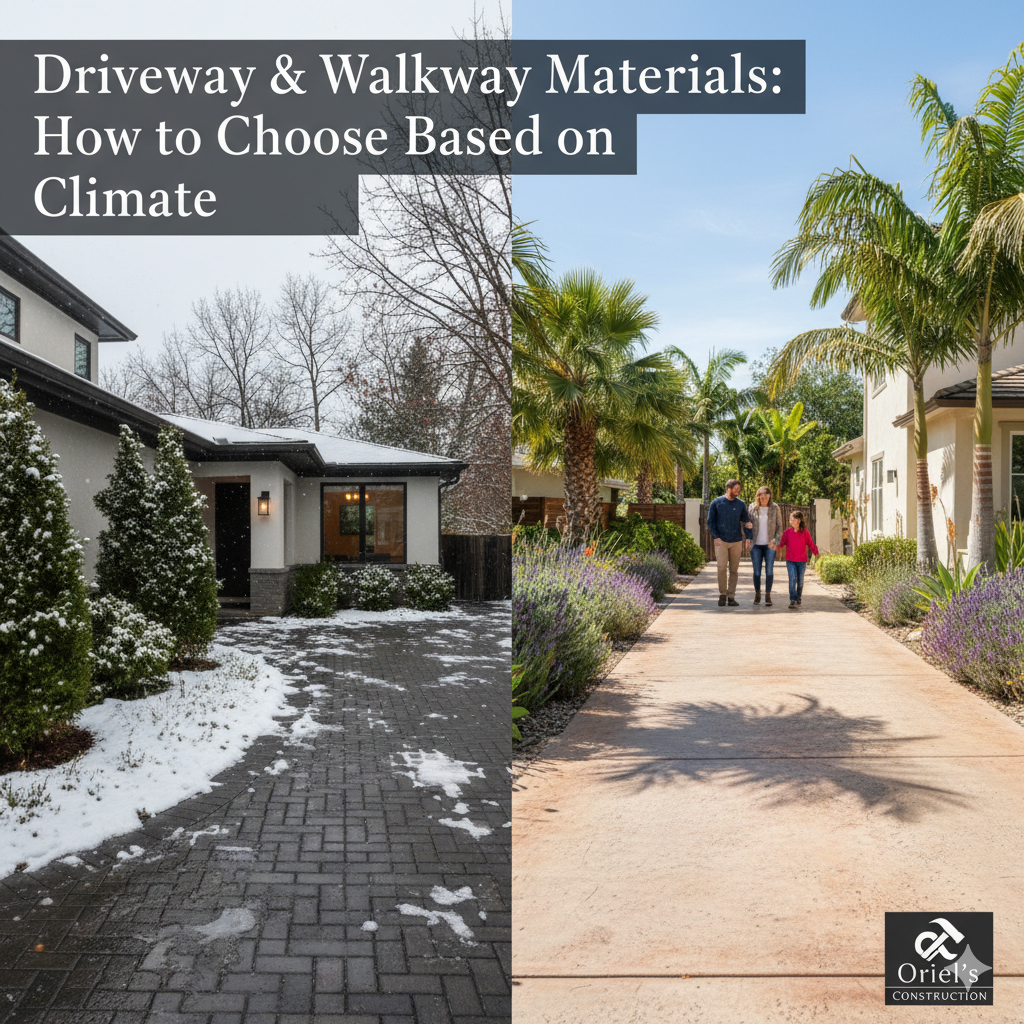
When it comes to upgrading your home’s exterior, many people focus on landscaping or painting the siding. Those choices matter, but the driveway and walkways deserve just as much thought. They are the paths people use daily, and they set the tone for curb appeal. Just like choosing the Best custom painting service framingham ma, selecting the right materials for these surfaces requires knowing how they perform over time, especially in different climates.
Why Climate Matters for Driveways and Walkways
Not all building materials react the same way to weather. A surface that works beautifully in a warm, dry region may fail quickly in a snowy or rainy state. Heat can make some materials expand and crack, while ice and heavy snow can damage others. Rain and humidity bring another layer of challenges, like erosion or slippery surfaces.
When you match your driveway and walkway materials to your local climate, you extend their life, reduce maintenance, and keep your property safe. It is less about following trends and more about choosing what will hold up year after year.
Concrete: Strong but Climate Sensitive
Concrete is one of the most common materials for driveways and walkways. It is durable, versatile, and can be poured into almost any shape. Many homeowners like its clean look and the option to add finishes or stains.
But climate plays a big role in how well concrete holds up:
-
In colder states, freeze-thaw cycles cause cracking. Water seeps into the surface, freezes, and expands, creating long-term damage.
-
In very hot regions, concrete can expand and contract, leading to surface stress.
-
In areas with heavy rainfall, proper sealing is necessary to prevent erosion or surface wear.
Concrete works best in mild to moderate climates. If you live in an area with extreme temperature swings, you may want to pair it with reinforcing techniques or consider alternatives.
Asphalt: Flexible and Affordable
Asphalt is another favorite for driveways. It offers a smooth, dark surface and is often less expensive upfront compared to concrete. Its flexibility allows it to handle temperature changes better, especially in northern states with harsh winters.
-
Asphalt absorbs heat, which helps snow melt faster in colder areas.
-
It can soften in extreme heat, making it less ideal for very hot southern states.
-
It requires regular sealing to extend its life and keep the surface smooth.
For regions that deal with snow and ice, asphalt often outlasts concrete. But in hot climates, the surface may rut or deform over time.
Pavers: A Stylish and Durable Choice
Pavers are individual units made from brick, stone, or concrete. They create a patterned surface that looks attractive and can fit both driveways and walkways. Many homeowners choose them for their visual appeal, but their durability is just as important.
-
In cold climates, pavers work well because they allow for natural expansion and contraction without cracking.
-
In rainy regions, water drains through the gaps between pavers, reducing puddles and slippery surfaces.
-
In hot areas, lighter-colored pavers can reflect sunlight and reduce heat buildup.
The main drawback is cost. Pavers often cost more to install, and they require a stable base to avoid shifting. However, their long lifespan and easy repair—since you can replace individual pieces—make them a smart choice in many climates.
Gravel: Budget-Friendly and Low Maintenance
Gravel may not be the most formal option, but it is practical and affordable. Many rural homes use gravel driveways because they are simple to install and maintain.
-
In hot climates, gravel does not absorb heat, keeping the surface cooler.
-
In wet regions, it drains well, but heavy rains may wash it out without proper edging.
-
In snowy states, plowing can scatter gravel, requiring seasonal upkeep.
Gravel is best for areas with mild weather or for homeowners who don’t mind occasional maintenance. It is not the best choice for urban or suburban neighborhoods where a polished appearance is preferred.
Natural Stone: Timeless and Weather Resistant
Natural stone, such as slate, bluestone, or flagstone, offers a premium look for walkways and driveways. It brings character and charm that few materials can match.
-
Stone surfaces stay cool in hot climates, especially lighter shades.
-
They hold up well in cold regions, resisting frost damage if installed correctly.
-
Rain and moisture do not harm natural stone, though sealing helps preserve color.
The downside is cost. Natural stone is often the most expensive option, but it delivers unmatched beauty and durability. For homeowners wanting long-term value and style, stone is worth considering.
Matching Materials to Climate Zones
Different parts of the country face unique weather challenges. Here is a quick guide:
-
Northern states with heavy snow: Asphalt or pavers are often the best fit due to flexibility and resistance to cracking.
-
Hot southern states: Light-colored pavers, gravel, or natural stone reduce hea buildup.
-
Rainy regions: Pavers and gravel offer better drainage compared to solid concrete.
-
Mild coastal climates: Concrete or stone can last for decades with minimal upkeep.
Think about not only the weather but also how you plan to use the space. Heavy vehicles, foot traffic, and local soil conditions all play a role in performance.
Tips for Making the Right Choice
-
Research local building codes and neighborhood requirements.
-
Ask contractors about installation techniques suited for your climate.
-
Consider long-term maintenance, not just upfront cost.
-
Look at color options to reduce heat or blend with landscaping.
A driveway or walkway is more than a path—it is part of the everyday experience of living in your home. The right material balances function, style, and climate resilience.
FAQs About Driveway and Walkway Materials
What driveway material lasts the longest?
Natural stone and pavers often outlast other materials when installed properly. Concrete can also last decades in mild climates.
Which material is easiest to repair?
Pavers are easiest to fix since you can replace single units without disturbing the whole surface. Asphalt can also be patched relatively easily.
How often should asphalt or concrete be sealed?
Asphalt should be sealed every 2–3 years, while concrete may need sealing every few years depending on weather and usage.
Is gravel a good choice for urban homes?
Gravel works better in rural or suburban settings. In cities, it may be less practical due to dust, uneven surfaces, and appearance standards.
Can I combine materials for style and function?
Yes. Many homeowners mix pavers with concrete borders or use gravel for secondary paths and stone for main walkways.
Final Thoughts
Choosing the right driveway or walkway material is about more than looks. Climate plays a major role in how long your investment lasts and how much care it needs. From concrete and asphalt to pavers, gravel, and natural stone, each material has strengths depending on your region. If you plan carefully, your outdoor surfaces will look great and stand strong for years.
For finishing touches, such as borders or patterned designs, professional Residential tile installation services framingham can help tie everything together, making your driveway and walkways both functional and visually appealing.

 English
 Arabic
 French
 Spanish
 Portuguese
 Deutsch
 Turkish
 Italiano
 Russian
 Romaian
 Portuguese (Brazil)
 Greek
Greek
