


 Pro Benefits
 About
About
 Termeni
 Confidențialitate
 Notificări
How to Remove Food and Drink Stains from Upholstery
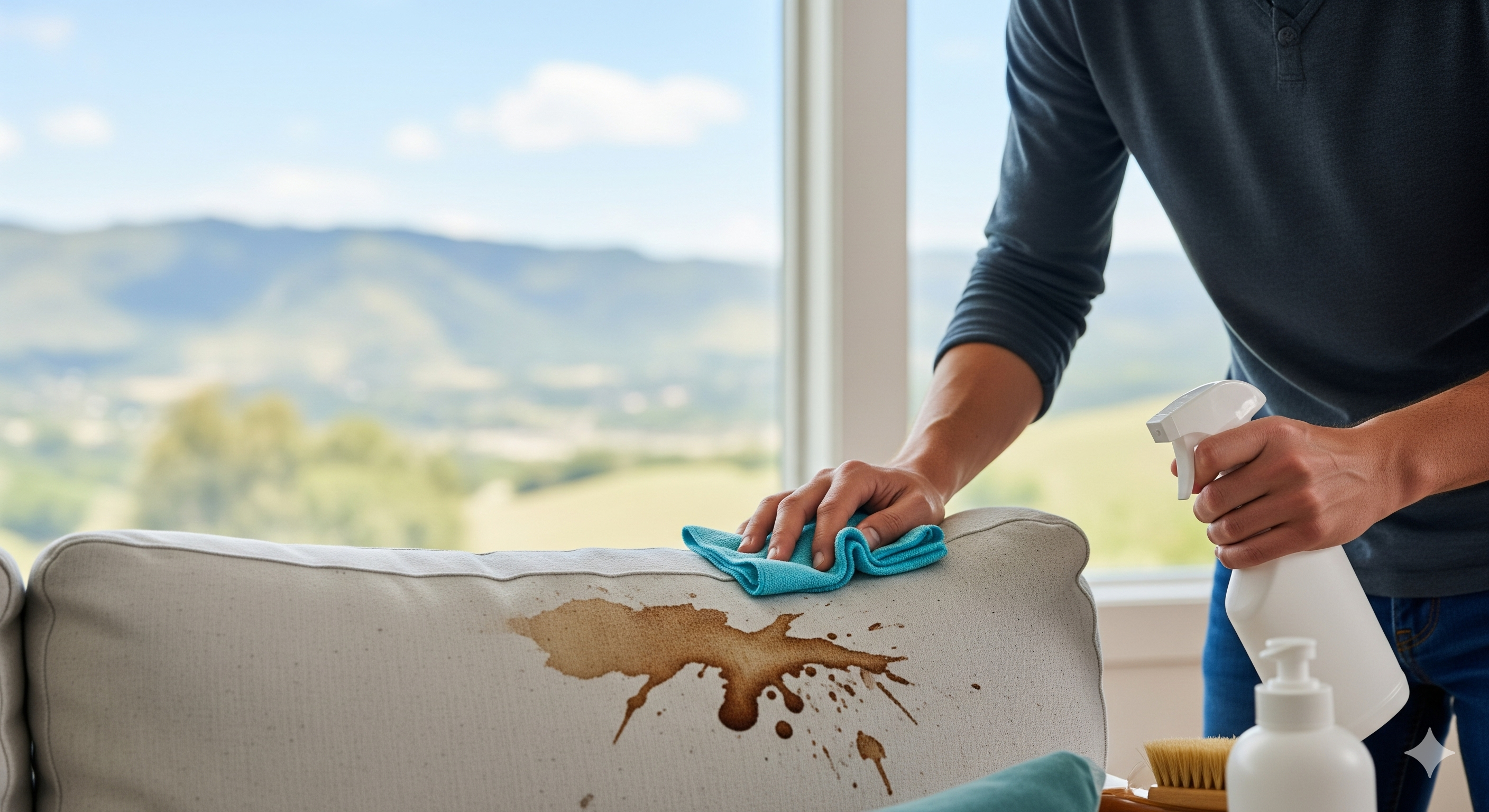
Upholstered furniture adds warmth and comfort to any living space. But as much as we enjoy our sofas and chairs, they often end up being the victims of spills and stains. A small accident with coffee, wine, or pasta sauce can quickly leave an ugly mark that’s hard to ignore. Knowing how to handle these stains the right way can save your furniture from permanent damage. Whether you’re managing an old couch that’s been through years of use or a newer piece you want to protect, proper cleaning methods make all the difference. For homeowners who already use services like carpet cleaning Westborough MA, adding upholstery care to your cleaning routine helps extend the life and appearance of your furniture.
Understanding Upholstery Fabrics
Before grabbing a sponge or cleaner, it’s important to understand the type of fabric you’re dealing with. Upholstery isn’t one-size-fits-all. Materials range from cotton, linen, and microfiber to leather and synthetic blends. Each fabric responds differently to moisture and cleaning products.
-
Natural fibers like cotton and linen are breathable but more prone to absorbing stains.
-
Synthetic fabrics such as polyester or microfiber are durable and often easier to clean.
-
Leather needs special care since it can dry out or discolor with the wrong products.
Check the manufacturer’s cleaning code if available. Upholstery often comes with tags marked W (water-based cleaner), S (solvent-based cleaner), WS (either water or solvent), or X (vacuum only). This small detail guides you toward the safest cleaning approach.
Quick Action Matters
When food or drink spills happen, time is your best friend. The longer a stain sits, the harder it becomes to remove. Acting quickly prevents liquids from soaking deep into the fibers.
-
Blot, don’t rub: Use a clean cloth or paper towel to gently blot the spill. Rubbing spreads the stain and damages fibers.
-
Work from the outside in: This keeps the stain from spreading outward.
-
Stay patient: Rushing can make the mark worse. Small, repeated blotting often works better than aggressive scrubbing.
Common Stains and How to Remove Them
Different foods and drinks leave behind different types of stains. Here are practical ways to tackle some of the most common culprits.
Coffee and Tea
These stains are known for their brown tint. Start by blotting up as much liquid as possible. Mix a mild solution of dish soap and cool water. Use a white cloth to gently blot the area until the stain lightens. For stubborn spots, add a little white vinegar to the solution.
Red Wine
Wine spills are often dreaded, but quick action helps. Sprinkle salt or baking soda directly on the wet stain to absorb liquid. After a few minutes, vacuum up the powder. Then use a mixture of mild dish soap and hydrogen peroxide. Always test this solution on a hidden spot first to avoid discoloration.
Greasy Foods
Pizza, butter, or fried snacks can leave behind oily marks. Sprinkle cornstarch or baking soda over the grease to soak it up. Leave it for at least 20 minutes, then vacuum. Follow up with a solvent-based cleaner if the stain remains.
Tomato Sauce and Ketchup
Tomato-based stains can set quickly. Remove any solid residue first. Blot with a cloth dipped in cold water mixed with dish soap. If the stain lingers, apply a small amount of hydrogen peroxide to lift the color.
Chocolate and Sweets
Scrape off any dried bits with a spoon. Use a mix of dish soap and cool water to blot gently. Avoid hot water since it can make sugar-based stains sticky and harder to clean.
Tools and Products That Help
Having the right tools on hand makes stain removal easier. Keep a small kit ready for emergencies.
-
White microfiber cloths (avoid colored cloths that may bleed)
-
A soft-bristled brush
-
Mild dish soap
-
Baking soda or cornstarch
-
White vinegar
-
Spray bottle with cool water
For deep cleaning, a handheld upholstery cleaner or steam cleaner can be useful. These tools help lift dirt and bacteria trapped beneath the surface.
When Professional Cleaning Is Worth It
While many stains can be handled at home, some situations call for professional help. Large or deeply set stains may require advanced treatments. Professional upholstery cleaners use specialized equipment that extracts dirt and moisture more effectively than household tools. Scheduling regular cleanings every year or two not only keeps furniture looking fresh but also helps reduce allergens and odors.
Preventing Future Stains
Prevention is easier than cleaning. Simple habits go a long way in protecting your upholstery.
-
Use washable slipcovers or throws on high-use furniture.
-
Apply a fabric protector spray to help repel liquids.
-
Avoid eating or drinking on delicate upholstery when possible.
-
Vacuum regularly to prevent dirt buildup.
These small steps extend the life of your furniture and reduce the frequency of deep cleaning.
Frequently Asked Questions
Can baking soda damage upholstery?
Baking soda is generally safe and effective for neutralizing odors and lifting moisture. Always vacuum thoroughly afterward to avoid residue.
Is steam cleaning safe for all fabrics?
Not all upholstery can handle steam. Check fabric codes first. Steam is best for microfiber, polyester, and some cotton blends but not for delicate or antique fabrics.
How often should upholstery be professionally cleaned?
Every 12 to 24 months is recommended, depending on usage, pets, and household allergies.
Can old stains still be removed?
Older stains are more difficult, but many can still be treated with repeated cleaning. Professional services often have better success with stubborn marks.
What should I avoid when cleaning upholstery?
Avoid harsh chemicals like bleach, and don’t oversaturate the fabric. Too much moisture can lead to mold or watermarks.
Final Thoughts
Upholstery brings comfort and personality to your home, but stains are almost impossible to avoid. Acting quickly and using the right techniques keeps furniture looking its best. For bigger challenges, professional cleaners bring the expertise and tools needed for a deeper refresh. Whether it’s everyday spills or a once-in-a-while accident, caring for your upholstery preserves its beauty for years to come. And if you’re already keeping up with services like post construction cleaning Massachusetts, adding upholstery care ensures every part of your home feels as fresh and welcoming as possible.

 English
 Arabic
 French
 Spanish
 Portuguese
 Deutsch
 Turkish
 Dutch
Dutch
 Italiano
 Russian
 Portuguese (Brazil)
 Greek
Greek
