


 Pro Benefits
 Σχετικά
 Όρους
Όρους
 Ιδιωτικότητα
 Ειδοποιήσεις
What Are the Benefits of Vocational Courses in India?
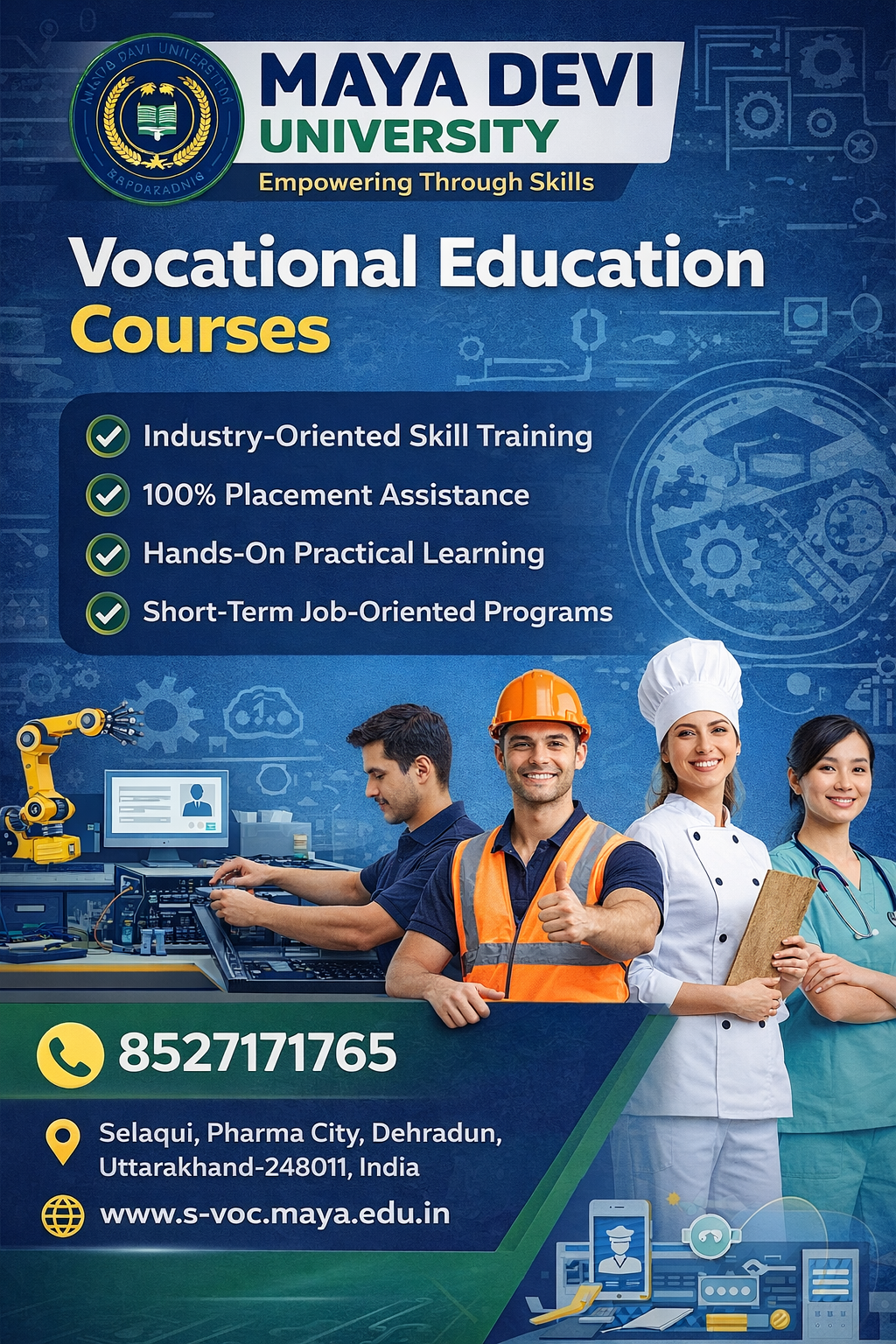
In today’s fast-changing world, the demand for skilled professionals has never been higher. Traditional academic education, while important, often focuses on theory and concepts. However, the world of work calls for something more — practical skills, job readiness, and hands-on experience. This is where vocational education steps in as a powerful force for skill development and employability. 🚀
Vocational education bridges the gap between education and industry demands by providing learners with practical skills that are directly applicable to the workplace. From hospitality to healthcare, from engineering to entrepreneurship, vocational training offers a wide range of opportunities for students to grow, earn, and contribute meaningfully to society.
What is Vocational Education? 📘
Vocational education is a system of training that prepares individuals for specific trades, crafts, and careers at the technical and skilled levels. Unlike conventional academic education that focuses mainly on theory, vocational training emphasizes:
✔ Hands-on learning
✔ Real-world applications
✔ Industry-aligned courses
✔ Competency-based skill building
This kind of education helps students develop job-ready skills that make them valuable and productive in the workforce from day one. 🎯
Why Vocational Education Matters for Skill Development 💡
Vocational education plays a central role in skill development, especially in countries like India where youth employment is a national priority. Here’s how:
1. Makes Students Job-Ready 🧠➡💼
Vocational courses are career-focused, meaning students learn exactly what employers want. Instead of spending years studying theory unrelated to job tasks, learners get trained on real tools, machines, and processes.
For example:
-
A student in automobile technology learns engine repair, diagnostics, and service techniques.
-
A student in IT vocational courses may learn coding, network management, and software testing.
This practical approach reduces the skills gap and makes graduates immediately useful to companies.
2. Boosts Employment Opportunities 📈
With the rise of industries like tourism, logistics, manufacturing, and IT services, there is a growing need for skilled labor. Vocational education ensures that students have relevant skills for jobs such as:
-
Electrician
-
Plumber
-
Web developer
-
Healthcare assistant
-
CNC operator
-
Hospitality manager
These jobs are not only in demand but often offer competitive pay and career advancement.
3. Supports Entrepreneurship and Self-Employment 💡📊
Vocational education doesn’t just prepare students to work for others — it empowers them to start their own businesses. A barber trained through a vocational course can open a salon, an automotive technician can start a repair service, and a chef can launch a catering business. 👩🍳💇♂️🔧
This mindset of self-reliance fuels economic growth and innovation at the grassroots level.
4. Encourages Continuous Skill Upgrading 🔄📚
Because industries constantly evolve with new technologies and processes, vocational training instills a culture of lifelong learning. Students and workers can regularly update their skills through short-term programs, workshops, and advanced vocational courses.
This flexible structure ensures that skills remain relevant and in demand throughout a person’s career.
Vocational Education and Universities in India 🏫🇮🇳
In India, vocational education has gained major support from educational institutions and the government. Many universities and colleges now offer vocational technology university programs and vocational courses designed to train students in skill-based education.
These institutions work closely with industries to ensure:
🔹 Course content matches current industry standards
🔹 Students get internships and on-the-job training
🔹 Certifications are recognized by employers
Vocational universities focus on blending theoretical knowledge with practical experience, giving students a competitive edge in the job market.
Types of Vocational Courses 🎓⚙️
Vocational education includes a vast range of courses — from traditional skills to modern technology fields. Some popular categories include:
1. Technical & Engineering Trades
-
Electrician training
-
Automotive technician
-
Machine operation
-
Welding
-
HVAC technician programs
2. Information Technology Courses
-
Web development
-
Digital marketing
-
Computer hardware maintenance
-
Networking & cybersecurity
-
Software testing
3. Healthcare & Allied Services
-
Medical lab technician
-
Nursing assistant
-
Pharmacy assistant
-
Physiotherapy support
-
Dental technician
4. Hospitality & Service Industry
-
Food production & service
-
Front desk management
-
Travel & tourism operations
-
Bakery & confectionery
5. Entrepreneurship & Business Skills
-
Retail management
-
Small business operations
-
Financial management basics
-
Sales & customer relations
Each of these vocational courses is designed to develop specific competencies that employers value highly.
Skill Development Training Partners: Bridging Education and Industry 🤝
To ensure that vocational education remains relevant and high quality, many institutions partner with skill development training partners and industry leaders. These partners help design curriculum, provide practical training equipment, and offer internships. 🌟
Skill development training partners play a crucial role in:
✨ Mapping industry skill requirements
✨ Providing trainer expertise
✨ Supporting placement opportunities
✨ Organizing live project work
✨ Coordinating certification assessments
Through these partnerships, learners get real exposure to workplace challenges and opportunities, making them more confident and capable.
Read More - What Are Vocational Education Courses and How Can They Boost Your Career? 🎓💼
Vocational Education and Skill Development for the Future 🌍
The nature of work is changing — automation, AI, machine learning, and digital transformation are reshaping job roles everywhere. Traditional academic learning alone may not be enough to keep pace with these changes.
Vocational education helps future-proof careers by:
🔹 Teaching hands-on skills that machines cannot easily replace
🔹 Combining human creativity with technical knowledge
🔹 Giving students flexibility to adapt to new roles
🔹 Building confidence and problem-solving ability
For example, a vocational technology university graduate in renewable energy can work on solar panel installation — a field expected to grow rapidly in the coming decade. 🌞⚡
Government and Industry Support in India 🇮🇳
India has been actively promoting vocational education and skill development through various initiatives, institutes, and frameworks that align education with employability. Programs like skill India, NSDC (National Skill Development Corporation), and vocational curriculum integration into higher education are strengthening the ecosystem.
The focus is clear:
✔ Expand vocational courses across sectors
✔ Increase accessibility for rural and urban youth
✔ Build partnerships with corporate and technical experts
✔ Encourage youth to pursue skill-based careers
This level of support ensures that vocational education becomes a respected and sought-after choice among students and employers alike.
Benefits of Vocational Education at a Glance 🎯
For Students
✔ Faster transition to employment
✔ Practical experience
✔ Industry-recognized certification
✔ Enhanced confidence and competence
✔ Opportunities for self-employment
For Industry
✔ Skilled workforce
✔ Reduced training costs
✔ Productivity boost
✔ Better quality of work
✔ Lower skill gap
For Economy
✔ Higher employment rates
✔ Growth in small and local businesses
✔ Increased innovation
✔ Better global competitiveness
Conclusion: Vocational Education Is the Future 📌
Vocational education isn’t just an alternative to traditional academics — it is a vital pillar of skill development, economic growth, and inclusive opportunity. It gives students the tools to build careers they love, helps industries find valuable talent, and strengthens the workforce of the nation.
Whether you’re a student exploring vocational study, a parent guiding your child, or an employer seeking skilled professionals, vocational education offers practical, effective, and future-ready solutions. 🌟
It’s time to embrace skill development through vocational training and build a workforce that is not only educated but truly skilled and employable.
Frequently Asked Questions (FAQs) ❓
1. What is the difference between vocational education and traditional education?
Vocational education focuses on practical skills and job-ready training for specific careers, while traditional education emphasizes theoretical knowledge. Vocational training prepares students to directly enter the workforce with applied skills. 👨🔧📘
2. Can vocational education lead to higher education?
Yes! Many vocational courses can be credited toward higher education degrees in technology or applied sciences. Some vocational universities also offer advanced diplomas and degree programs, blending practical skills with academic depth. 🎓🔍
3. Is vocational education only for technical trades?
Not at all. While technical trades are popular, vocational education includes arts, business, healthcare, IT, hospitality, entrepreneurship, and many other sectors. It’s a broad system designed to develop skills across industries. 🧑🍳💻📊

 English
 Arabic
 French
 Spanish
 Portuguese
 Deutsch
 Turkish
 Dutch
Dutch
 Italiano
 Russian
 Romaian
 Portuguese (Brazil)
