


 Pro Benefits
 About
About
 Terms
Terms
 Privacy
 Notifications
What Is the Difference Between Vocational Education Courses and Degree Programs? 🎓🛠️
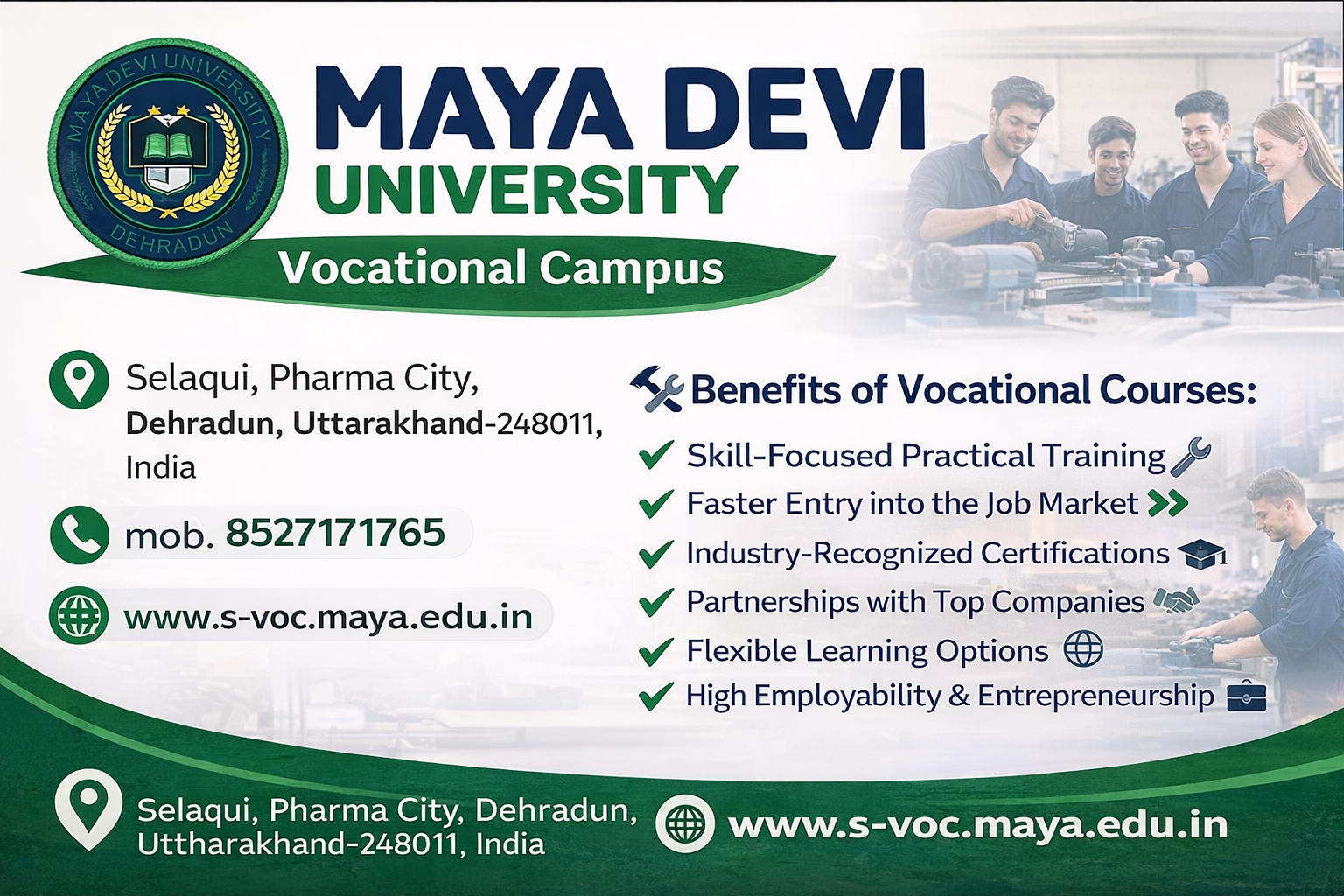
In today’s fast-changing job market, students and working professionals are increasingly confused about choosing the right educational path. One of the most common questions is: Should I opt for vocational education courses or pursue a traditional degree program? 🤔
Both options offer unique advantages, but they are designed for different career goals. In India, where skill development, employability, and industry-oriented education are becoming national priorities, understanding this difference is extremely important.
This article explains the difference between vocational education courses and degree programs, their benefits, career scope, and how vocational universities in India are transforming skill-based learning. 🇮🇳✨
Understanding Vocational Education Courses 🧑🏭📘
Vocational education courses focus on developing practical skills, hands-on training, and job-oriented learning that directly align with industry requirements. These courses are specifically designed to prepare students for particular careers, industries, or technical roles, ensuring they gain relevant expertise needed in the real work environment.
Vocational study strongly emphasizes learning by doing rather than relying only on theoretical knowledge. Through workshops, lab sessions, on-site training, and industry exposure, vocational education courses help learners become industry-ready in a shorter period of time, making them highly employable and career-focused.
Key Features of Vocational Education
-
Skill-based learning 🛠️
-
Industry-aligned curriculum
-
Practical training & internships
-
Short-term and long-term course options
-
High employability focus
Institutions like vocational technology universities and skill-focused universities such as s-voc.maya.edu.in promote vocational education aligned with India’s Skill India Mission.
What Are Degree Programs? 🎓📚
Degree programs are traditional academic courses offered by colleges and universities, such as:
-
BA / BSc / BCom
-
BTech / BE
-
MA / MSc / MBA
These programs focus more on theoretical knowledge, academic research, and conceptual understanding.
Degree education is ideal for students who want:
-
Academic careers
-
Research-based professions
-
Higher education opportunities
-
Corporate leadership roles
Core Difference Between Vocational Education Courses and Degree Programs 🔍
Let’s understand the major differences clearly:
1. Learning Approach 📖 vs 🛠️
Vocational education emphasizes practical training, workshops, labs, and real-world exposure.
Degree programs focus more on theory, exams, and academic evaluation.
2. Career Orientation 💼
-
Vocational courses prepare students for specific job roles (technician, assistant, operator, trainer).
-
Degree programs prepare students for broad career paths and higher studies.
3. Course Duration ⏳
-
Vocational courses can range from 3 months to 3 years.
-
Degree programs usually take 3 to 4 years or more.
4. Employability & Skills 🚀
Vocational education offers immediate employability due to skill-focused training.
Degree holders may require additional skill development training to become job-ready.
5. Cost & Accessibility 💰
Vocational courses are generally more affordable and accessible to a wider population, including:
-
School dropouts
-
Working professionals
-
Rural youth
Importance of Vocational Education in India 🇮🇳✨
India is one of the youngest countries in the world, yet a large percentage of graduates remain unemployable due to lack of skills. This is where vocational education in India plays a crucial role.
Government Focus on Skill Development
-
Skill India Mission
-
National Skill Qualification Framework (NSQF)
-
Industry-academia collaboration
Vocational universities in India are bridging the gap between education and employment.
Vocational Technology Universities: A New Education Model 🏫⚙️
A vocational technology university combines academic learning with hands-on technical training. These universities offer:
-
Diploma programs
-
Advanced vocational degrees
-
Industry certifications
They work closely with skill development training partners and industries to ensure job-linked education.
Institutions like Maya Devi University promote vocational study through structured programs aligned with real-world industry needs.
Read More - How to Choose the Right Online Vocational Training Course for Your Career? 🎓💼
Role of Skill Development Training Partners 🤝
A skill development training partner plays a vital role in vocational education by:
-
Designing industry-relevant courses
-
Providing certified skill training
-
Offering placement assistance
-
Supporting government skill initiatives
Skill Development Training Benefits
-
Faster employment
-
Industry recognition
-
Workforce readiness
-
B2B collaboration opportunities
B2B Opportunities in Skill Development 🌐🏢
Vocational education is not just beneficial for students—it also offers huge B2B partnership opportunities.
B2B Partner Advantages
-
Corporate skill training solutions
-
Workforce upskilling programs
-
Customized vocational courses
-
Industry-academia partnerships
Organizations looking for skill training partners can collaborate with vocational universities to build a future-ready workforce.
Vocational Courses vs Degree Programs: Career Outcomes 📈
Vocational Courses Lead To:
-
Early job placement
-
Technical roles
-
Self-employment
-
Entrepreneurship
-
Skilled workforce positions
Degree Programs Lead To:
-
Corporate careers
-
Government jobs
-
Higher studies
-
Research roles
Both paths are valuable—it depends on career goals, learning style, and time investment.
Why Vocational Education Is the Future 🌍🔧
With automation, AI, and technological growth, industries need skilled professionals, not just degree holders.
Vocational education:
-
Reduces unemployment
-
Supports economic growth
-
Promotes entrepreneurship
-
Empowers youth and working professionals
Vocational universities in India are becoming centers of excellence for skill-based education.
Choosing the Right Path: Vocational or Degree? 🤔
Ask yourself:
-
Do I want quick employment?
-
Do I prefer practical learning?
-
Do I want to specialize in a specific skill?
If yes, vocational education courses are the right choice.
If you aim for academic growth and long-term research, a degree program may be better.
Conclusion 🏁✨
The difference between vocational education courses and degree programs lies in purpose, approach, and outcomes. Vocational education focuses on skills, employability, and industry readiness, while degree programs emphasize theory and academic depth.
In a country like India, where skill development training is essential, vocational education is emerging as a powerful alternative to traditional education. With strong support from vocational universities, training partners, and B2B collaborations, vocational study is shaping the future workforce.
FAQs ❓❓❓
1. Is vocational education better than a degree program?
Vocational education is better for skill-based and job-oriented careers, while degree programs are better for academic and research-focused paths. The choice depends on career goals.
2. Are vocational courses recognized in India?
Yes, vocational courses aligned with NSQF and offered by recognized vocational universities and skill development training partners are widely accepted in India.
3. Can vocational courses lead to high-paying jobs?
Yes 👍 With industry-relevant skills, experience, and certifications, vocational course graduates can secure high-paying technical and professional roles.

 Arabic
 French
 Spanish
 Portuguese
 Deutsch
 Turkish
 Dutch
Dutch
 Italiano
 Russian
 Romaian
 Portuguese (Brazil)
 Greek
Greek
