


 Pro Benefits
 Sobre
Sobre
 Termos
 Privacidade
 Notificações
Bangladesh Crisis and India Pakistan Crisis: Understanding South Asia’s Growing Political and Security Challenges
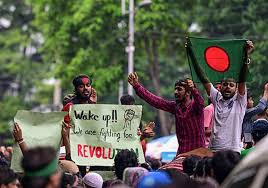
South Asia remains one of the most geopolitically sensitive regions in the world, shaped by historical rivalries, political instability, economic pressures, and regional power dynamics. Two major issues that continue to draw international attention are the Bangladesh crisis and the India Pakistan crisis. While different in nature, both crises have deep-rooted causes and wide-ranging implications for regional stability, security, and economic growth.
This article explores the origins, current developments, and future implications of the Bangladesh crisis and the India Pakistan crisis, highlighting why these issues matter not only to South Asia but also to global politics.
Overview of the Bangladesh Crisis
The Bangladesh crisis refers to a combination of political unrest, economic stress, governance challenges, and social tensions that have periodically affected the country. Bangladesh has made significant economic progress over the past two decades, particularly in manufacturing, exports, and poverty reduction. However, structural issues continue to challenge its stability.
Political Instability
Political polarization is a major driver of the Bangladesh crisis. The rivalry between major political parties has often resulted in protests, strikes, and confrontations. Disputed elections, allegations of voter suppression, and concerns over democratic freedoms have fueled public dissatisfaction. These tensions can disrupt governance and weaken public trust in institutions.
Economic Pressures
Despite impressive GDP growth, Bangladesh faces rising inflation, unemployment among youth, and pressure on foreign exchange reserves. Global factors such as energy price volatility, supply chain disruptions, and declining export demand have intensified economic stress. These economic challenges contribute to public frustration and increase the risk of social unrest.
Social and Humanitarian Concerns
The Bangladesh crisis is also linked to social issues, including labor rights, freedom of expression, and refugee management. The long-term hosting of displaced populations has placed strain on resources, infrastructure, and local communities. Climate change further compounds the situation, as Bangladesh is highly vulnerable to floods, cyclones, and rising sea levels.
Regional Impact of the Bangladesh Crisis
The Bangladesh crisis has regional implications, especially for neighboring countries like India and Myanmar. Cross-border trade, migration, and security cooperation are directly affected by instability in Bangladesh. Any prolonged crisis could disrupt regional connectivity projects and economic integration in South Asia.
Understanding the India Pakistan Crisis
The India Pakistan crisis is one of the longest-running and most complex geopolitical conflicts in the world. Since their independence in 1947, India and Pakistan have experienced multiple wars, military standoffs, and ongoing diplomatic tensions.
Historical Roots of the India Pakistan Crisis
At the heart of the India Pakistan crisis lies the unresolved dispute over Kashmir. Competing territorial claims and differing national identities have fueled decades of mistrust. Wars in 1947, 1965, 1971, and the Kargil conflict in 1999 have cemented hostility between the two nuclear-armed neighbors.
Military and Security Tensions
Ceasefire violations along the Line of Control (LoC), cross-border firing, and accusations of supporting militant activities are recurring elements of the India Pakistan crisis. Both countries maintain large standing armies and nuclear capabilities, making any escalation particularly dangerous for regional and global security.
Diplomatic Breakdown
Diplomatic relations between India and Pakistan are often strained or suspended during periods of heightened tension. Dialogue initiatives frequently collapse due to political changes, security incidents, or lack of mutual trust. This absence of sustained communication increases the risk of miscalculation.
Economic and Social Costs of the India Pakistan Crisis
The India Pakistan crisis carries significant economic costs. Limited trade between the two countries deprives businesses and consumers of opportunities for growth. Defense spending diverts resources away from healthcare, education, and infrastructure. Additionally, nationalist rhetoric can deepen social divisions within both countries.
Comparing the Bangladesh Crisis and India Pakistan Crisis
While the Bangladesh crisis is primarily internal, and the India Pakistan crisis is largely bilateral and strategic, both share some common features:
· Governance challenges that affect public trust
· Economic pressures that impact ordinary citizens
· Regional implications beyond national borders
· International attention due to strategic importance
The Bangladesh crisis highlights how internal political and economic instability can threaten long-term development. In contrast, the India Pakistan crisis underscores the dangers of unresolved conflicts between nuclear-armed states.
Role of International and Regional Actors
International organizations and global powers closely monitor both crises. Diplomatic engagement, economic assistance, and conflict-prevention efforts play a role in reducing risks. Regional platforms, though limited in effectiveness, remain important for dialogue and cooperation.
For the Bangladesh crisis, international focus often centers on democratic governance, human rights, and economic stability. In the India Pakistan crisis, global concern is primarily about preventing military escalation and encouraging dialogue.
Future Outlook
The future of the Bangladesh crisis will largely depend on political reforms, economic management, and social inclusion. Strengthening democratic institutions and addressing economic inequality could significantly reduce instability.
The India Pakistan crisis, meanwhile, requires sustained diplomatic engagement, confidence-building measures, and people-to-people contact. While a comprehensive resolution may be difficult, incremental steps toward cooperation can lower tensions.
Conclusion
Both the Bangladesh crisis and the India Pakistan crisis represent critical challenges for South Asia. One reflects internal struggles of governance and development, while the other embodies a long-standing geopolitical rivalry with global security implications. Understanding these crises is essential for policymakers, analysts, and citizens who seek a more stable and prosperous region.
As South Asia continues to evolve, addressing these crises through dialogue, reform, and cooperation remains vital for ensuring peace, economic growth, and regional stability.

 English
 Arabic
 French
 Spanish
 Deutsch
 Turkish
 Dutch
Dutch
 Italiano
 Russian
 Romaian
 Portuguese (Brazil)
 Greek
Greek
