


 Pro Benefits
 About
About
 Terms
Terms
 Privacy
 Child Safety & Protection
 Notifications
 Ayrush Global It Services Pvt Ltd
Pancake Optical Module Issues? Fix AR/VR Comfort & Brightness
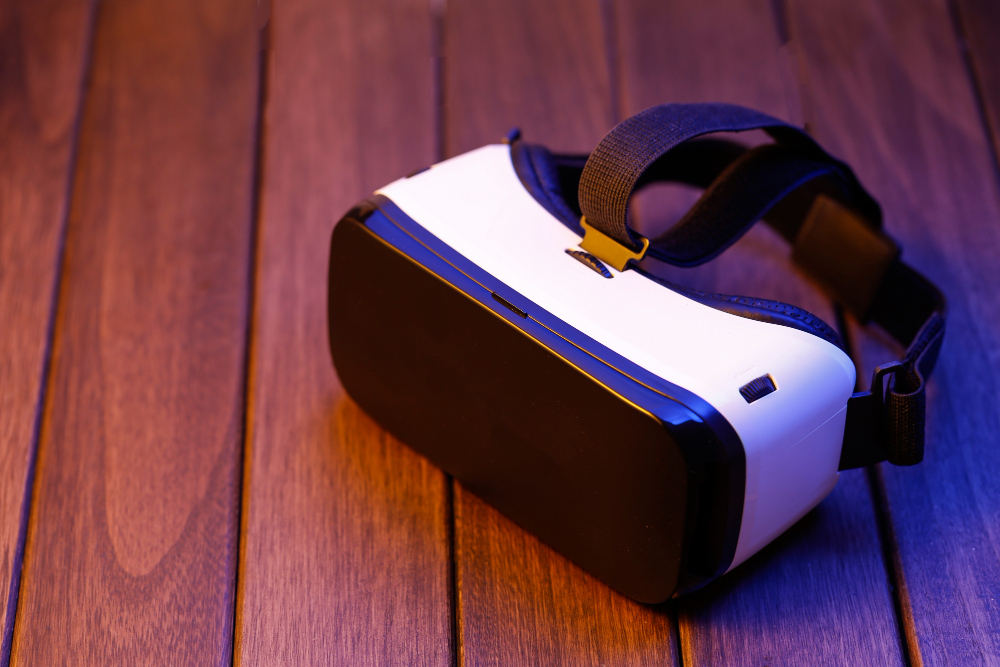
Many AR and VR headsets promise slim design and immersive visuals, yet users still complain about dim images, eye strain, or uncomfortable weight distribution. If your device looks compact but fails to deliver visual comfort and brightness, the issue often lies in poor optical implementation. A well-designed Pancake optical module is meant to solve these exact pain points—but only when chosen and integrated correctly.
Understanding how this optical solution works helps explain why some headsets succeed while others disappoint.
Why Traditional Optics Cause Bulky and Unbalanced Headsets
Conventional lens systems require long optical paths, which increase headset thickness and front-heavy weight. This leads to discomfort during extended use and limits industrial and consumer adoption.
A Pancake optical module uses folded optics with polarized light to significantly shorten the optical path. This allows manufacturers to reduce headset depth while maintaining image quality, solving one of the biggest comfort issues in AR and VR devices.
How Pancake Optical Module Improves Comfort
User comfort is not just about weight—it’s also about visual stability. Poor optics cause distortion, uneven focus, and limited eye box, forcing users to constantly adjust their head position.
A high-quality Pancake optical module provides better eye box tolerance and balanced image distribution. This reduces eye fatigue and motion discomfort, making long VR or mixed reality sessions more comfortable.
Brightness Loss: A Common User Complaint
One of the most frequent complaints about pancake optics is reduced brightness. This usually happens when low-efficiency coatings or poor polarization control are used.
When properly designed, a Pancake optical module compensates for light loss through optimized coatings and reflective surfaces. This ensures sufficient brightness for immersive visuals, even in demanding AR and VR environments.
Sharper Images With Reduced Distortion
Image clarity directly affects user experience. Traditional optics often struggle with edge distortion when devices are made thinner. Pancake optics, however, are engineered to maintain image sharpness while folding the optical path.
With a well-optimized Pancake optical module, users experience clearer visuals across the field of view, improved contrast, and reduced edge blur—key factors for realistic immersion.
Compact Design Without Sacrificing Performance
Modern headsets must balance slim design with high performance. Pancake optics enable compact modules that integrate easily with micro-displays and advanced projection systems.
This compactness allows manufacturers to design sleek, lightweight headsets suitable for gaming, training, remote collaboration, and professional visualization—without compromising optical performance.
Better Alignment for AR and VR Applications
Precise alignment between digital content and user vision is critical, especially in AR applications. Optical misalignment causes visual discomfort and reduces accuracy.
A properly implemented Pancake optical module offers stable optical alignment and consistent performance, making it suitable for applications that require precision, such as enterprise AR, simulation, and design review.
Where Pancake Optical Module Is Commonly Used
Pancake optical modules are widely used in VR headsets, mixed reality devices, enterprise AR systems, and compact head-mounted displays. They are especially popular in next-generation products focused on lightweight design and improved ergonomics.
Manufacturers increasingly adopt pancake optics to meet user demands for slimmer devices without sacrificing visual quality.
Why Choosing the Right Pancake Optics Matters
Not all pancake optical modules perform the same. Poor design choices can lead to brightness loss, limited field of view, and inconsistent image quality.
Selecting a high-quality Pancake optical module ensures better light efficiency, visual comfort, and long-term reliability—making it a critical component rather than a simple design choice.
Conclusion
If your AR or VR headset feels uncomfortable, looks dim, or causes eye strain, the issue is likely rooted in the optics. A properly designed Pancake optical module solves these problems by reducing bulk, improving comfort, and maintaining image clarity. For modern immersive devices, this optical solution plays a vital role in delivering the experience users expect.
 English
 Arabic
 French
 Spanish
 Portuguese
 Deutsch
 Turkish
 Dutch
Dutch
 Italiano
 Russian
 Romaian
 Portuguese (Brazil)
 Greek
Greek
