


 Pro Benefits
 Über
Über
 Bedingungen
 Datenschutz
 Child Safety & Protection
 Benachrichtigungen
 Ayrush Global It Services Pvt Ltd
Aligning Syringe Infusion Pump Tender Specifications
Introduction
Hospital tenders are more than procurement documents.
They reflect a deep responsibility towards patient safety, clinical accuracy, and sustainable healthcare delivery.
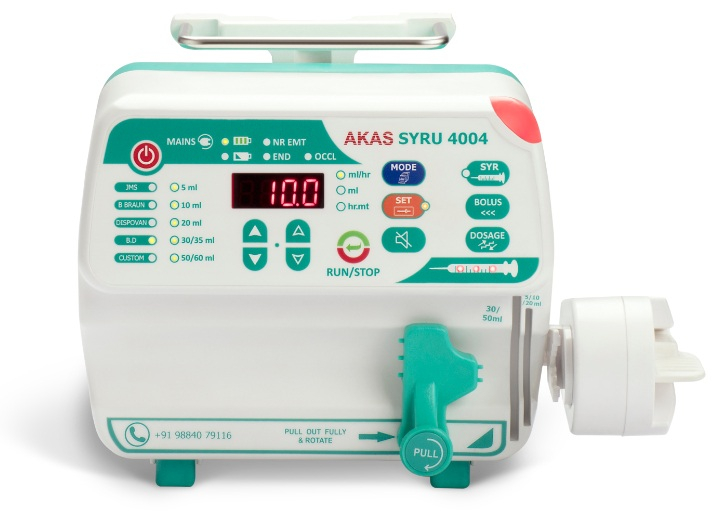
Within this framework, the Syringe Infusion Pump plays a vital role in ensuring precise medication administration across critical care environments.
For hospitals and medical institutions, aligning Syringe Infusion Pump specifications with tender requirements is a thoughtful process.
It requires balancing clinical needs, regulatory compliance, operational efficiency, and long-term reliability.
When specifications are carefully aligned, tenders become tools that support safe care, informed decision-making, and trusted manufacturer partnerships.
Understanding the Purpose of Hospital Tender Specifications
Hospital tender requirements are designed to protect both patients and healthcare professionals.
They translate clinical expectations into measurable technical and operational criteria.
For a Syringe Infusion Pump, these requirements often reflect real-world challenges faced in intensive care units, operating theatres, and neonatal wards.
Specifications help ensure consistency across departments.
They also provide clarity for evaluation committees, biomedical teams, and finance leaders.
When aligned correctly, tender specifications encourage manufacturers to offer solutions that truly meet hospital care standards.
The Clinical Importance of Clear Syringe Infusion Pump Specifications
Clinical teams depend on Syringe Infusion Pump accuracy for safe drug delivery.
Tender specifications often emphasise precision, alarm reliability, and infusion stability.
These requirements are grounded in daily clinical practice, where even minor deviations can impact patient outcomes.
Well-defined specifications also reduce variability in device usage.
They support staff confidence and simplify training across departments.
In this way, tender alignment becomes an extension of patient safety culture within the hospital.
Regulatory and Quality Expectations in Tender Alignment
Hospital tenders are closely tied to regulatory compliance and quality assurance.
Specifications for a Syringe Infusion Pump typically reference safety standards, performance validation, and documentation requirements.
These elements help hospitals meet accreditation benchmarks and prepare for audits with confidence.
Manufacturers responding to tenders must demonstrate adherence to recognised quality systems.
This alignment reassures hospitals that devices are built with consistency, traceability, and clinical responsibility in mind.
Such alignment supports trust throughout the procurement process.
Operational Needs Shaping Syringe Infusion Pump Requirements
Beyond clinical performance, tenders often reflect operational realities.
Hospitals require Syringe Infusion Pumps that integrate smoothly into existing workflows.
Ease of setup, intuitive interfaces, and minimal downtime are frequently embedded within tender specifications.
Operational alignment also considers biomedical maintenance.
Hospitals value pumps designed for straightforward servicing and long-term durability.
When specifications address these needs, they help reduce disruptions and support continuous patient care.
Key Areas Where Specification Alignment Matters Most
Midway through the tender evaluation process, hospitals often focus on a few critical alignment areas.
These areas reflect both clinical priorities and organisational responsibilities.
A brief explanation of these areas helps clarify how Syringe Infusion Pump specifications support hospital decision-making.
-
Accuracy and Consistency
Specifications often define acceptable accuracy ranges for Syringe Infusion Pump performance.
This ensures reliable medication delivery across different clinical scenarios.
Consistency builds confidence among clinicians and reduces variability in care. -
Safety Features and Alarms
Tenders commonly require comprehensive alarm systems.
These alarms support early detection of occlusions, dosage issues, or system faults.
Such requirements reflect a commitment to patient safety and staff awareness. -
Usability and Training Support
Hospitals value devices that are easy to learn and operate.
Specifications may reference interface clarity and training resources.
This alignment supports smoother adoption and reduces the risk of user-related errors. -
Serviceability and Lifecycle Support
Long-term reliability is essential in hospital environments.
Tender requirements often include expectations for maintenance and support.
These elements protect hospital investments and ensure sustained performance.
Aligning Specifications with Long-Term Value
Hospital tenders increasingly focus on long-term value rather than initial cost alone.
Specifications for a Syringe Infusion Pump may include durability, upgrade potential, and lifecycle efficiency.
This approach reflects a broader understanding of responsible healthcare investment.
By aligning specifications with long-term needs, hospitals reduce replacement frequency and operational strain.
Manufacturers that understand this perspective are better positioned to meet institutional expectations.
Such alignment supports sustainable healthcare delivery over time.
Supporting Transparent and Fair Tender Evaluation
Clear alignment between specifications and tender requirements also promotes transparency.
Evaluation committees rely on well-defined criteria to compare Syringe Infusion Pump offerings objectively.
This clarity reduces ambiguity and supports fair, evidence-based decisions.
Transparent specifications benefit all stakeholders.
They help hospitals select devices that align with care standards.
They also encourage manufacturers to focus on meaningful performance and quality outcomes.
Building Trust Through Specification Alignment
Trust is central to hospital-manufacturer relationships.
When Syringe Infusion Pump specifications are met consistently, trust is strengthened at every level.
Clinical teams feel supported, procurement teams feel assured, and patients benefit from safer care.
Alignment demonstrates respect for hospital priorities.
It signals a shared commitment to quality, safety, and reliability.
Over time, this trust supports long-term collaboration and improved healthcare delivery.
Conclusion
Aligning Syringe Infusion Pump specifications with hospital tender requirements is a careful and compassionate process.
It brings together clinical accuracy, regulatory responsibility, and operational efficiency.
When alignment is achieved, tenders become instruments that protect patients and support healthcare professionals.
Hospitals seeking reliable partners benefit from manufacturers who understand these expectations deeply.
Akas Infusion continues to focus on manufacturing world-class drug delivery devices, including volumetric pumps, designed to support safe and effective medical care.
Such commitment reflects a shared goal of advancing patient-centred healthcare through thoughtful technology and trusted partnerships.
 Deutsch
 English
 Arabic
 French
 Spanish
 Portuguese
 Turkish
 Dutch
Dutch
 Italiano
 Russian
 Romaian
 Portuguese (Brazil)
 Greek
Greek
