


 Pro Benefits
 Environ
 Conditions générale de vente
 Confidentialité
 Notifications
Tattoo Removal In Essex: From Consultation to Aftercare
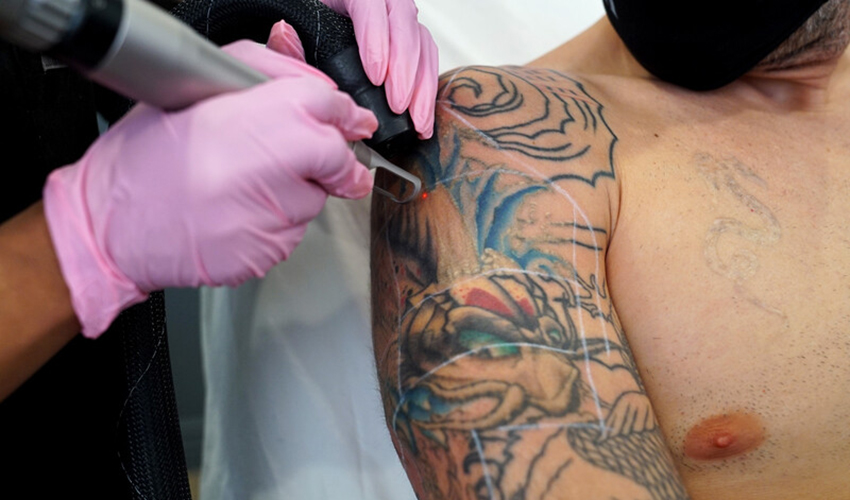
Tattoos are a permanent form of self-expression, often carrying deep personal meaning or representing important life moments. However, tastes change, circumstances evolve, and sometimes a tattoo that once symbolized joy or freedom may no longer fit one’s current lifestyle or aesthetic preferences.
In Essex, a county known for its vibrant communities and modern trends, tattoo removal has become increasingly popular as technology and techniques have advanced. This article explores the complete journey of tattoo removal in Essex—from initial consultation to the critical aftercare process.
Understanding Tattoo Removal
Tattoo removal is a professional process aimed at fading or entirely erasing ink from the skin. While tattoos are intended to be permanent, modern methods—particularly laser removal—can significantly diminish their visibility. The success of removal depends on several factors, including the size, color, depth, and age of the tattoo, as well as the individual’s skin type.
Historically, tattoo removal in Essex was painful, imprecise, and often resulted in scarring. Today, modern laser technology allows for more effective treatments with reduced risk and recovery time. Essex, being home to a variety of reputable clinics, offers access to advanced tattoo removal technologies such as Q-switched lasers and picosecond lasers, which target pigment with precision while preserving surrounding skin.
The Consultation Process
The journey begins with a thorough consultation. This step is crucial for ensuring safe, effective, and realistic tattoo removal. During a consultation in Essex, a qualified specialist will evaluate your tattoo and discuss your goals, medical history, and skin type. They will ask about:
Tattoo details: Age, ink colors, size, and location.
Previous removal attempts: Any past removal or fading procedures.
Medical considerations: Skin sensitivities, allergies, or conditions like eczema or psoriasis.
Lifestyle factors: Sun exposure, medications, and general health.
This assessment allows the specialist to develop a personalized treatment plan and set realistic expectations. Tattoo removal is often a gradual process requiring multiple sessions, especially for large, colorful, or deeply inked tattoos. During the consultation, practitioners in Essex will also explain potential side effects, such as redness, swelling, or temporary pigment changes, ensuring clients are fully informed.
Choosing the Right Removal Method
While laser removal is the most common and effective method, Essex clinics may also offer alternative options depending on your tattoo and skin type. These include:
Laser Tattoo Removal: Using high-intensity light pulses, lasers break down the tattoo ink into smaller particles, which are then naturally absorbed by the body. Q-switched lasers are commonly used for darker inks, while picosecond lasers target bright colors more effectively.
Dermabrasion: This method involves physically sanding the skin to remove the top layers containing ink. It is less common today due to the precision and efficiency of lasers.
Surgical Excision: For small tattoos, some may opt for surgical removal, where the tattooed skin is cut out, and the surrounding area is stitched together. This method guarantees immediate removal but may leave a scar.
Chemical Removal: Though less widely used, chemical treatments involve applying solutions that break down ink pigments. These treatments are less predictable and carry a higher risk of scarring.
Choosing the right method depends on multiple factors, including tattoo complexity, desired outcomes, budget, and tolerance for downtime or discomfort.
Preparing for Your Tattoo Removal Session
Once a treatment plan is established, preparation is essential to ensure safe and effective sessions. Specialists in Essex typically advise:
Avoid Sun Exposure: Tanned or sunburned skin can increase sensitivity and risk of side effects.
Shave the Area: Hair can interfere with laser targeting.
Avoid Certain Medications: Blood thinners or skin-sensitive medications may affect healing.
Hydrate and Rest: A healthy body promotes faster recovery.
Discuss Pain Management: Laser removal can cause mild discomfort; topical numbing creams are often applied to minimize pain.
Proper preparation reduces the risk of complications and maximizes the effectiveness of each session.
The Tattoo Removal Procedure
During the procedure, the client is usually seated or lying comfortably while the practitioner uses a laser device to target the tattoo ink. The process is typically described as a snapping sensation against the skin, with some discomfort akin to a rubber band flick. Sessions can last anywhere from a few minutes for small tattoos to over an hour for larger pieces.
Laser treatments work best in multiple sessions spaced several weeks apart. This allows the skin to heal between treatments and ensures the body can naturally remove the fragmented ink particles. The number of sessions varies widely; a small black ink tattoo may fade significantly after 3–5 sessions, while large or colorful tattoos may require 10–15 sessions or more.
Aftercare: Ensuring Optimal Healing
Aftercare is critical for minimizing complications and achieving the best results. Essex clinics emphasize a structured aftercare routine, which typically includes:
Keep it Clean: Wash the area gently with mild soap and water, avoiding scrubbing.
Moisturize: Apply a recommended healing ointment or cream to keep the skin hydrated.
Avoid Sun Exposure: Protect the treated area with clothing or SPF to prevent pigmentation changes.
No Picking or Scratching: Let scabs and blisters heal naturally.
Avoid Hot Baths or Saunas: High heat can irritate the treated skin and slow healing.
Proper aftercare not only reduces the risk of infection but also supports the body’s natural healing process, ensuring the tattoo fades as effectively as possible.
Potential Risks and Considerations
While modern tattoo removal is generally safe, it is not entirely without risks. Common side effects include:
Temporary redness, swelling, or tenderness.
Blistering or scabbing.
Lightening or darkening of the skin in the treated area.
Rarely, scarring or changes in skin texture.
Choosing a reputable Essex clinic with experienced practitioners significantly reduces these risks. During the consultation, the specialist should provide full disclosure of potential side effects and discuss how they can be managed if they occur.
Cost of Tattoo Removal in Essex
The cost of tattoo removal varies depending on size, complexity, and the number of sessions required. On average, Essex residents can expect to pay:
Small tattoos: £50–£150 per session.
Medium tattoos: £150–£300 per session.
Large or multi-colored tattoos: £300–£600+ per session.
Many clinics offer package deals for multiple sessions, which can make removal more affordable over time.
Conclusion
Tattoo removal in Essex has evolved into a safe, effective, and increasingly popular option for those looking to alter or erase unwanted tattoos. From the initial consultation to careful aftercare, every stage is crucial for achieving the best results.
By choosing experienced professionals, understanding the procedure, and following recommended aftercare, individuals can navigate the tattoo removal process confidently and safely. Whether it’s for personal, professional, or aesthetic reasons, tattoo removal offers a chance to reclaim your skin and redefine your style.

 English
 Arabic
 Spanish
 Portuguese
 Deutsch
 Turkish
 Dutch
Dutch
 Italiano
 Russian
 Romaian
 Portuguese (Brazil)
 Greek
Greek
