


 Pro Benefits
 Über
Über
 Bedingungen
 Datenschutz
 Child Safety & Protection
 Benachrichtigungen
 Ayrush Global It Services Pvt Ltd
Computer Science Coursework Writing: Coding and Documentation
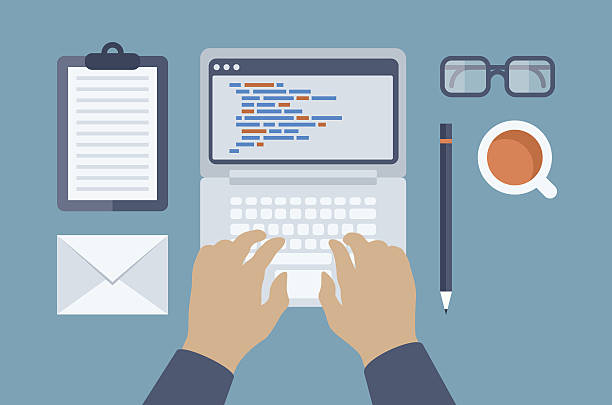
The Art of Writing Clean and Efficient Code
Planning Before You Code
Before writing a single line, invest time in planning. Understand the problem statement thoroughly. Break it down into smaller, manageable sub problems. Sketch out a solution using pseudocode or a flowchart. This planning phase clarifies your approach and saves time during actual coding. It prevents you from writing messy, disorganized code that is difficult to debug or document later.
Writing Readable Code
Readable code is as important as functional code. Use meaningful names for variables, functions, and classes. Avoid cryptic abbreviations. Consistent indentation and proper formatting are non negotiable. They make your code easier to follow for anyone reading it, including your future self. Think of your code as an essay; its structure should be logical and its "sentences" clear.
Implementing Efficient Algorithms
Your solution should not only be correct but also efficient. Choose appropriate algorithms and data structures for the problem. Consider the time and space complexity of your approach. A brute force solution might work for small inputs but fail with larger datasets. Demonstrating knowledge of efficient algorithms shows a deeper understanding of computer science principles.
Testing and Debugging Thoroughly
Rigorous testing is crucial. Don’t just test the ideal scenario. Create test cases for edge cases, invalid inputs, and boundary conditions. Use debugging tools to step through your code and identify logical errors. Document your testing process briefly. This proves your code is robust and that you have systematically verified its correctness.
The Critical Role of Documentation
Why Documentation Matters
Documentation is the narrative of your code. It explains the "why" behind the "what." For coursework, it proves to your instructor that you understand the logic and design choices. In the professional world, it allows other developers to maintain and build upon your work. Poor documentation can render brilliant code useless because no one can understand it.
Crafting Effective Inline Comments
Inline comments explain complex logic within the code itself. They should clarify non obvious sections, not state the obvious. Avoid comments like x = x + 1; // increment x. Instead, explain why a specific algorithm was chosen or what a complex calculation achieves. Good comments are concise and provide context that the code cannot express on its own.
Writing a Comprehensive README File
A README file is the front door to your project. It should provide a high level overview. Include the project's purpose, how to install and run it, and any dependencies. For coursework, also mention the problem solved and a brief summary of your approach. A well structured README makes your project accessible and demonstrates professionalism.
Structuring User and Technical Guides
For larger projects, separate guides may be necessary. A user guide explains how to use the program from an end user perspective. A technical guide delves into the architecture for developers. In coursework, this might involve explaining the design patterns used, module interactions, and data flow. This shows you can think about software from different viewpoints.
Integrating Code and Documentation for Success
Treating Documentation as Part of Development
Do not leave documentation as a last minute task. Write it alongside your code. As you develop features, simultaneously update the relevant comments and guides. This "living documentation" is more accurate and less burdensome. It ensures your explanations keep pace with your code, preventing a frantic documentation scramble after the coding is complete.
Using Tools for Consistency
Leverage tools to maintain consistency. Linters and formatters enforce coding style guides. Documentation generators like Javadoc for Java or Sphinx for Python can automatically create API documentation from your comments. Using these tools shows technical proficiency and produces a polished, professional looking submission.
Peer Review and Iteration
Have a peer review your code and documentation. A fresh set of eyes can spot confusing parts you may have overlooked. They can tell you if your explanations are clear. Use this feedback to revise and improve your work. This iterative process of writing, reviewing, and refining mirrors industry best practices.
Conclusion: Building a Foundation for Your Career
Excelling in computer science coursework is about more than just grades. Mastering the balance between coding and documentation builds a strong foundation for your career. It cultivates habits of clarity, efficiency, and collaboration that are highly valued in the tech industry. View each assignment as an opportunity to practice these essential skills. They will distinguish you as a competent and professional developer.
(FAQs)
Q1: How much commenting is too much in my code?
Avoid commenting on every single line. Comment only to explain the "why" behind complex logic, not the "what" that the code already clearly shows. Over commenting can make the code harder to read.
Q2: What is the most important part of a README file for coursework?
The most critical parts are clear instructions on how to compile and run your program. Also, a brief explanation of your solution's approach is vital for the instructor to quickly understand your work.
Q3: Should I write documentation before or after coding?
The best approach is to write it alongside coding. Draft outlines and comments as you develop, then refine them at the end. This ensures accuracy and prevents it from being a last minute chore.
Q4: How can I make my code more readable without comments?
Use meaningful names for variables and functions, maintain consistent indentation, and break down complex tasks into smaller, well named functions. Readable code often needs fewer comments.
Q5: Are there tools to help automate documentation?
Yes, tools like Javadoc (Java), Doxygen (C++), or Sphinx (Python) can generate API documentation from specially formatted comments in your code. They help maintain professional and consistent documentation.
 Deutsch
 English
 Arabic
 French
 Spanish
 Portuguese
 Turkish
 Dutch
Dutch
 Italiano
 Russian
 Romaian
 Portuguese (Brazil)
 Greek
Greek
