


 Pro Benefits
 Environ
 Conditions générale de vente
 Confidentialité
 Child Safety & Protection
 Notifications
 Ayrush Global It Services Pvt Ltd
Why Laser Welding Stainless Steel is the Future of Industrial Fabrication
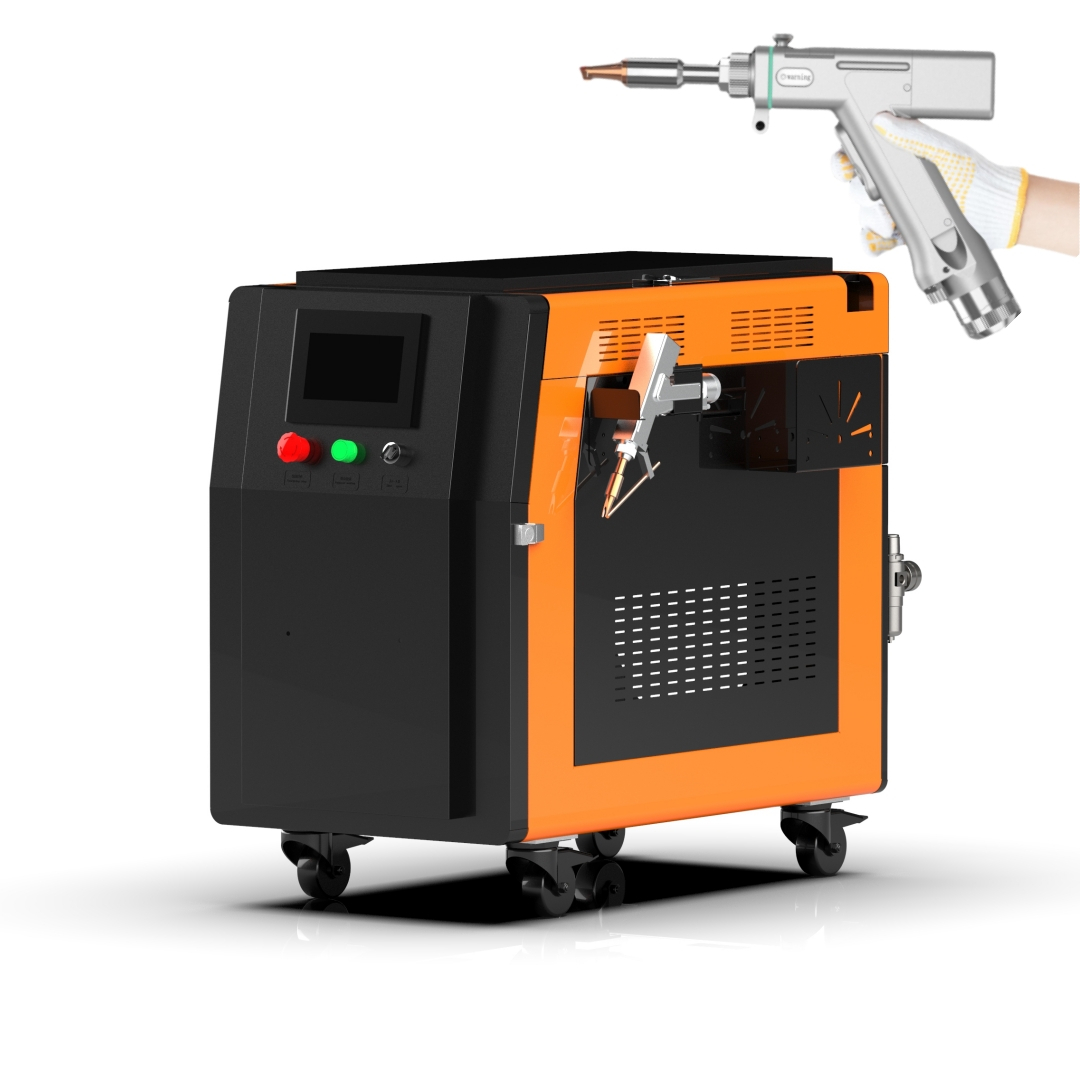
In the evolving world of industrial manufacturing, efficiency, durability, and precision remain at the forefront of success. Stainless steel, being one of the most widely used metals across industries, demands advanced joining methods that not only ensure strong bonds but also maintain the material’s structural integrity. Traditional welding methods, while still common, are increasingly giving way to laser welding. For businesses seeking higher productivity and unmatched quality, laser welding stainless steel has become the gold standard. Companies like LaserChina, a global leader in laser technology, are driving this transition by providing advanced laser welding solutions designed for industrial applications.
Market Demands: Why Stainless Steel Welding is Shifting to Laser Technology
The global stainless steel market is growing rapidly due to its applications in automotive, aerospace, energy, construction, and medical industries. However, the challenge has always been welding this material effectively. Conventional methods, such as TIG or MIG welding, often create issues like:
-
Heat distortion that weakens the structure.
-
Excessive post-processing requirements due to spatter and rough weld seams.
-
Slower production speeds unsuitable for modern high-volume manufacturing.
This is where laser welding meets current market needs. Industrial buyers, from large-scale manufacturers to specialized workshops, increasingly demand:
-
High-speed automation-ready solutions.
-
Minimal heat input with precision control.
-
Reduced operational costs and rework.
-
Consistent quality to meet international standards.
LaserChina has positioned itself as a trusted partner for these businesses by offering laser welding systems that address each of these challenges directly.
How Laser Welding Stainless Steel Works
Laser welding uses a concentrated beam of light to generate intense heat at the point of contact, melting and fusing the stainless steel surfaces together. This process is highly localized, allowing for deep, narrow welds with minimal thermal distortion.
Key technical advantages include:
-
Precision Control – The laser beam can be focused on extremely small areas, making it possible to weld even the thinnest stainless steel sheets with accuracy.
-
High-Speed Welding – Laser welding speeds are multiple times faster than traditional methods, enabling businesses to increase throughput.
-
Automation Integration – Laser systems from LaserChina can be integrated into robotic arms and CNC setups, streamlining operations for factories with large-scale production.
-
Versatility – Whether welding ultra-thin medical-grade stainless steel components or thick automotive parts, laser welding adapts seamlessly.
Industrial Applications Driving Demand
The versatility of laser welding has made it indispensable across industries that rely heavily on stainless steel:
-
Automotive & Transportation – Precision welds in exhaust systems, fuel injectors, and battery casings.
-
Medical Device Manufacturing – Seamless joints for surgical tools, implants, and micro-components where hygiene and precision are critical.
-
Aerospace & Defense – High-strength welds for structural parts, turbine blades, and complex assemblies.
-
Food & Beverage Equipment – Stainless steel processing equipment requires hygienic, smooth welds without cracks or porosity.
-
Energy & Electronics – Applications include welding battery components, stainless housings, and high-precision energy storage systems.
By serving these sectors, LaserChina ensures its welding solutions align with the exacting demands of today’s industrial customers.
Meeting International Standards and Quality Requirements
For B2B customers, quality compliance is non-negotiable. Stainless steel welding often requires meeting ISO, ASTM, or EN standards to ensure strength, durability, and safety. LaserChina not only designs its equipment to meet these international benchmarks but also supports businesses in maintaining consistent production quality.
Features that guarantee compliance include:
-
Real-time monitoring systems to control weld penetration and heat input.
-
Low-porosity welds for enhanced durability.
-
Repeatable precision across thousands of units, reducing quality variation.
This makes laser welding an investment not just in technology but also in long-term business credibility.
Cost and Operational Efficiency
While initial investment in laser welding equipment may appear high, B2B buyers quickly recover costs through:
-
Reduced labor dependency due to automation.
-
Minimal rework and scrap material losses.
-
Lower energy consumption compared to traditional arc welding.
-
Extended equipment life cycle with minimal maintenance.
For workshops and manufacturers competing in tight-margin industries, these savings are critical. LaserChina’s solutions are designed to maximize ROI by balancing upfront investment with long-term performance.
Future Trends in Stainless Steel Welding
The future of stainless steel welding is being shaped by several technological shifts:
-
AI and Smart Welding Systems – Real-time adaptive controls that adjust beam parameters automatically.
-
Green Manufacturing – Laser welding reduces material waste and energy consumption, aligning with sustainability goals.
-
Miniaturization of Devices – In sectors like medical and electronics, demand for micro-welding capabilities is growing.
-
Hybrid Welding Techniques – Combining laser welding with other methods for thicker or more complex stainless steel structures.
LaserChina is already innovating in these areas, ensuring that its clients remain ahead of global competition.
Why Choose LaserChina for Stainless Steel Welding Solutions
As a dedicated B2B laser solutions provider, LaserChina brings more than just products—it delivers:
-
Industry expertise built on years of global partnerships.
-
Customizable systems tailored to different production lines.
-
Reliable after-sales support and training.
-
Proven technology trusted by manufacturers across automotive, aerospace, medical, and energy sectors.
For companies seeking to enhance their stainless steel fabrication, LaserChina’s solutions represent the bridge between current challenges and future opportunities.
Conclusion
Laser welding stainless steel is no longer a niche technology it has become a mainstream requirement for industries that demand precision, durability, and efficiency. With rising global competition, manufacturers can no longer rely on outdated welding methods that slow production and compromise quality.
By adopting advanced laser welding systems, businesses gain a competitive edge in terms of speed, cost efficiency, and international compliance. LaserChina, as a leader in laser technology, stands at the forefront of this transformation, empowering industries worldwide to embrace the future of stainless steel fabrication.
 French
 English
 Arabic
 Spanish
 Portuguese
 Deutsch
 Turkish
 Dutch
Dutch
 Italiano
 Russian
 Romaian
 Portuguese (Brazil)
 Greek
Greek
