


 Pro Benefits
 About
About
 Voorwaarden
 Privacy
Top Features to Look for in an RS485 Modbus Gateway for Reliable Connectivity
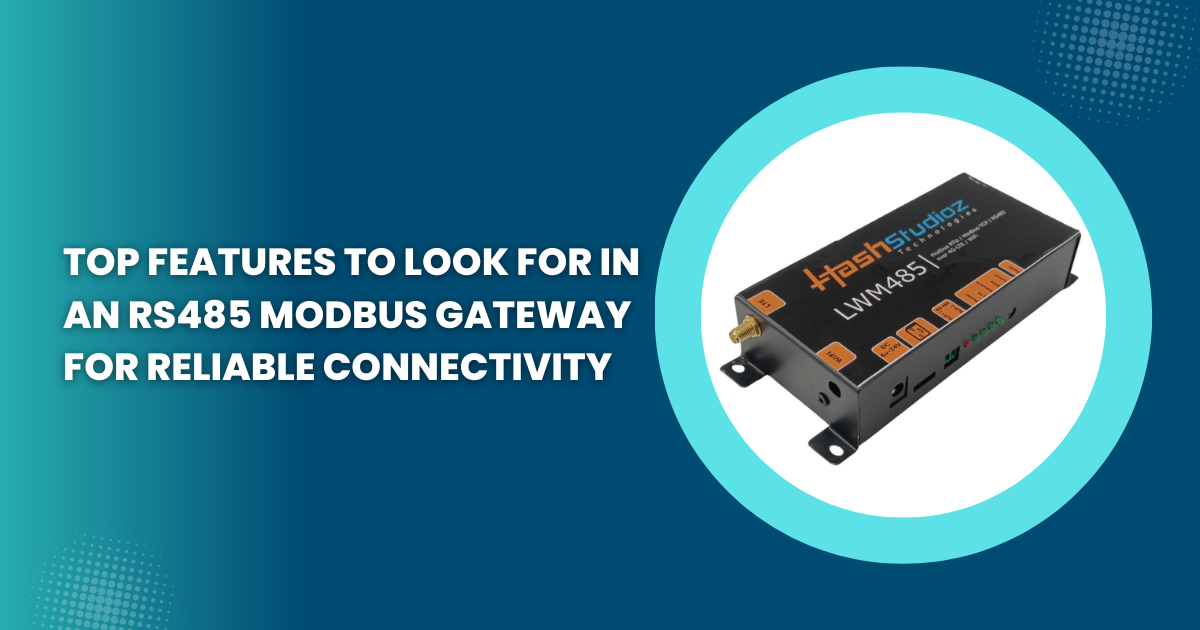
RS485 Modbus Gateways play a crucial role in connecting various industrial devices to a network. In industrial automation systems, communication reliability is key. RS485, a robust serial communication standard, is commonly used for connecting devices in remote or large-scale environments. When paired with the Modbus protocol, these gateways facilitate smooth communication between Modbus devices and modern control systems, such as SCADA or PLCs.
When choosing an RS485 Modbus Gateway, understanding the key features can significantly improve network reliability and efficiency. In this article, we will explore the essential factors to consider when selecting a Modbus Gateway, including communication standards, data handling capabilities, and physical specifications.
Communication Protocol Support
The primary function of an RS485 Modbus Gateway is to convert data between the Modbus protocol and other network standards, such as Ethernet. Therefore, the protocol support of the gateway is crucial.
Modbus RTU vs Modbus TCP
-
Modbus RTU: This is the most common form of Modbus protocol used with RS485. It’s a binary protocol that operates over serial communication lines, ideal for communication in industrial settings where noise immunity and long-distance communication are important.
-
Modbus TCP: This version of Modbus operates over Ethernet, allowing for faster data transmission. Many modern industrial systems are built around Ethernet, so Modbus Gateways that support both Modbus RTU and Modbus TCP provide a more versatile solution for different environments.
When choosing a gateway, ensure it supports both Modbus RTU and Modbus TCP if your network is diverse and needs to communicate across different platforms.
Data Throughput and Processing Power
Data throughput determines how quickly and efficiently data can be transmitted and processed by the Modbus Gateway. A gateway with higher throughput ensures less latency and can handle more devices simultaneously.
-
Fast Data Transmission: In industrial automation, milliseconds can matter. Choose a Modbus Gateway with high-speed data transmission to ensure that critical real-time data is processed without delay.
-
Processing Power: The processor inside the gateway should be capable of handling the volume of data traffic from connected devices. Modern gateways often include powerful microcontrollers or processors to support high throughput and manage simultaneous requests.
A higher throughput and more advanced processing power reduce delays and improve the overall performance of the system, particularly in large-scale automation setups where multiple devices are connected.
Isolation and Protection Features
RS485 networks are often exposed to harsh environments with electrical noise, voltage spikes, and power surges. Electrical isolation is essential to protect the connected devices and prevent damage from voltage fluctuations.
Why Is Isolation Important?
-
Prevents Ground Loops: In industrial setups, ground loops can introduce electrical noise that affects communication reliability. Isolation protects the Modbus Gateway and connected devices by separating the communication channels electrically.
-
Voltage Surge Protection: Devices connected to RS485 networks are vulnerable to voltage surges, often caused by lightning or other electrical issues. A gateway with surge protection features ensures that these spikes don’t damage your devices.
Look for a Modbus Gateway with built-in isolation (often rated to 1500V or more) and surge protection to increase the longevity and reliability of the system.
Multiple Device Connectivity
Industrial systems often consist of a large number of devices, all requiring network connectivity. A good RS485 Modbus Gateway should support a high number of connected devices.
Device Connectivity Limits
-
Maximum Slaves Supported: RS485 networks can connect up to 32 devices, but some systems may need more. The Modbus Gateway should support larger device networks, with support for hundreds of devices or more in certain configurations.
-
Scalability: As your system grows, you might need additional gateways. Consider a gateway that allows easy expansion, either by connecting multiple gateways or offering support for various communication standards.
The Modbus Gateway should be able to scale as per your network’s size, ensuring smooth communication even with high device counts.
Network Security Features
With increasing reliance on industrial control systems, cybersecurity has become a top priority. The Modbus protocol, in its basic form, lacks security features, making it a target for cyberattacks if left unprotected. RS485 Modbus Gateways should offer network security to ensure the integrity of the data being transmitted.
Key Security Features to Consider:
-
Encryption: Choose a gateway that supports encryption protocols like TLS or SSL to secure data in transit. This is especially important when data is transferred over larger networks or the internet.
-
Access Control: Modern Modbus Gateways often include access control mechanisms, such as password protection or the ability to restrict certain users from accessing sensitive data.
-
Authentication: Devices should only communicate with authorized systems. Look for gateways that provide strong authentication protocols to avoid unauthorized access to critical network infrastructure.
With the rise in industrial cybersecurity threats, choosing a gateway with strong security features is no longer optional, it is a necessity.
Industrial Temperature and Environment Rating
Industrial environments often present harsh conditions, such as high or low temperatures, humidity, dust, and vibration. It’s essential to select a Modbus Gateway that is built to withstand these conditions.
Temperature Range
-
Operating Temperature: Ensure the gateway can operate within the temperature range of your environment, typically between -20°C to 70°C for industrial-grade devices.
IP Rating
-
Ingress Protection (IP) Rating: Devices used in environments with high dust or moisture levels should have an appropriate IP rating (such as IP65 or higher) to protect against contaminants.
Choosing a gateway with a high IP rating and operating temperature tolerance ensures the device’s longevity in difficult environments.
Redundancy and Failover Features
Redundancy is crucial for minimizing downtime and maintaining system reliability, especially in mission-critical industrial environments. A failure in communication can halt operations, leading to costly delays.
Features to Look For:
-
Dual Ethernet Ports: Some Modbus Gateways support dual Ethernet ports, allowing for network redundancy. If one network link fails, the system automatically switches to the backup connection.
-
Power Supply Redundancy: In some models, redundant power supplies can ensure the gateway stays operational even if one power source fails.
-
Automatic Failover Mechanisms: The gateway should have mechanisms in place to automatically switch between communication links or devices in case of failure, ensuring no data loss or interruption in services.
Ease of Configuration and Management
Ease of use is another important factor when selecting a Modbus Gateway. Complex configuration processes can lead to delays during installation and maintenance.
Configuration Features:
-
Web-based Interface: A user-friendly web-based interface allows operators to configure and manage the gateway without the need for specialized software. This can save time during installation and future troubleshooting.
-
Remote Monitoring and Diagnostics: Some gateways allow for remote monitoring of device performance and network status. This feature can help troubleshoot issues before they escalate, improving the overall reliability of the system.
Look for a Modbus Gateway that offers easy-to-use configuration tools and remote management capabilities for smoother operation.
Compatibility with Existing Infrastructure
An RS485 Modbus Gateway should integrate seamlessly with your existing infrastructure, whether it is a legacy system or a more modern setup.
Key Compatibility Considerations:
-
Backward Compatibility: If you are upgrading from an older system, ensure the Modbus Gateway is compatible with older RS485 devices that use the Modbus RTU protocol.
-
Integration with SCADA/PLC: The Modbus Gateway should work with existing SCADA systems, PLCs, and other industrial equipment. Many systems now offer Modbus-to-Ethernet or Modbus-to-IP converters that bridge older devices to newer networks.
Ensuring compatibility with existing hardware and software will reduce the time and cost required for system upgrades.
Conclusion
Selecting the right RS485 Modbus Gateway for reliable connectivity requires a thorough understanding of the features and specifications that directly impact performance. The gateway’s ability to handle various communication protocols, support high device counts, and ensure data security is crucial for a stable and efficient industrial network.
When evaluating a Modbus Gateway, consider key aspects such as data throughput, isolation features, environmental resilience, and ease of use. By focusing on these critical features, you can ensure that your RS485 Modbus Gateway will deliver reliable and secure connectivity, supporting the smooth operation of your industrial systems for years to come.
Choosing a high-quality gateway today will prevent future network disruptions, enhance system scalability, and ultimately improve the reliability of industrial communication in your networked environment.

 English
 Arabic
 French
 Spanish
 Portuguese
 Deutsch
 Turkish
 Italiano
 Russian
 Romaian
 Portuguese (Brazil)
 Greek
Greek
