


 Pro Benefits
 Über
Über
 Bedingungen
 Datenschutz
When to Switch from Shared Hosting to Cloud Hosting
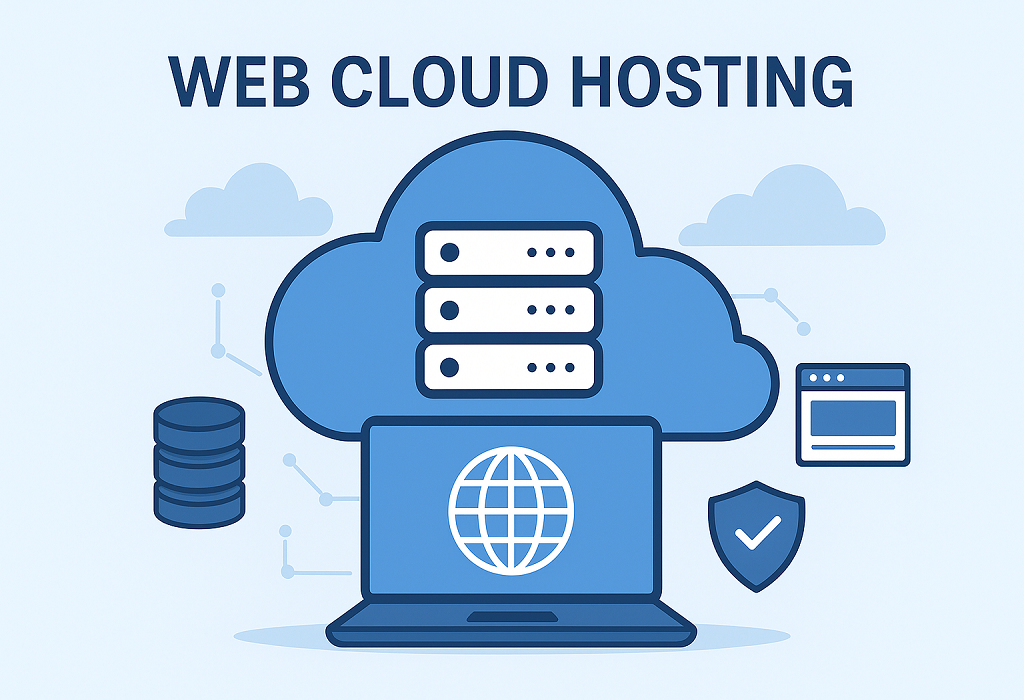
Choosing the right web hosting solution is critical for the success of any website. For small websites and startups, shared hosting is often the go-to option because of its affordability and simplicity. However, as your website grows, the limitations of shared hosting may begin to hinder performance, security, and scalability. This is where cloud hosting comes in as a more flexible and powerful alternative. But how do you know when it’s time to make the switch? Let’s explore the key indicators.
Understanding Shared Hosting
Shared hosting is a type of web hosting where multiple websites share the same server resources, including CPU, RAM, and storage. It’s like renting a room in an apartment: you get basic amenities, but your comfort depends on your neighbors’ behavior. Shared hosting is ideal for small blogs, portfolio sites, or small businesses with low traffic because it is inexpensive and easy to manage.
However, shared hosting comes with inherent limitations:
-
Limited resources: High traffic on one website can affect the performance of others on the same server.
-
Slower load times: Since resources are shared, websites may load slowly during peak usage times.
-
Lower security: Shared environments are more vulnerable to security breaches.
-
Limited scalability: It’s difficult to upgrade resources without migrating to a new hosting plan.
If you start noticing these limitations, it’s a clear sign that your website might benefit from cloud hosting.
Understanding Cloud Hosting
Cloud hosting operates on a network of virtual servers that draw resources from multiple physical servers. This structure ensures higher flexibility, reliability, and performance compared to shared hosting. Cloud hosting allows you to scale resources up or down based on your needs, making it ideal for websites expecting growth or fluctuating traffic.
Some advantages of cloud hosting include:
-
Better performance: Resources are allocated dynamically, ensuring faster load times.
-
High uptime: If one server fails, another server automatically takes over, reducing downtime.
-
Enhanced security: Isolation and advanced security measures protect your website.
-
Scalability: You can easily add or reduce resources as your website grows.
Signs It’s Time to Switch
-
Increasing Website Traffic
If your website experiences a consistent increase in visitors, shared hosting may struggle to keep up. Slow loading times can frustrate users and negatively affect your search engine rankings. Cloud hosting can handle higher traffic volumes efficiently without compromising performance. -
Frequent Downtime
Downtime is not just an inconvenience—it can impact your credibility and revenue. Shared servers often experience downtime due to other websites consuming too many resources. Cloud hosting’s redundant server infrastructure ensures your website stays online even during server failures. -
Growing Resource Demands
As you add more features, plugins, or multimedia content to your website, shared hosting may no longer provide sufficient storage, RAM, or CPU power. Cloud hosting allows you to easily scale resources to match your growing needs. -
Security Concerns
Shared hosting environments are more vulnerable to cyberattacks because multiple websites share the same server. If your website handles sensitive data, such as e-commerce transactions, switching to cloud hosting can provide stronger security measures and better protection against threats. -
Business Expansion
If your website is a critical part of your business strategy, relying on shared hosting can become a risk. Cloud hosting offers the reliability and flexibility that growing businesses need, ensuring your website can adapt to changing demands.
Conclusion
While shared hosting is a great starting point for small websites and low-traffic projects, it may not be sufficient for growing businesses. Cloud hosting provides improved performance, reliability, security, and scalability, making it the ideal choice for websites experiencing growth or planning for the future.
If you notice slow load times, frequent downtime, increasing traffic, or higher resource demands, it’s time to consider switching to cloud hosting. By upgrading at the right moment, you can ensure your website delivers an optimal user experience, remains secure, and is prepared for long-term growth.

 English
 Arabic
 French
 Spanish
 Portuguese
 Turkish
 Dutch
Dutch
 Italiano
 Russian
 Romaian
 Portuguese (Brazil)
 Greek
Greek
