


 Pro Benefits
 About
About
 Términos
 Privacidad
 Child Safety & Protection
 Notificaciones
 Ayrush Global It Services Pvt Ltd
The Rise of Bapesta: Streetwear’s Iconic Sneaker Reimagined
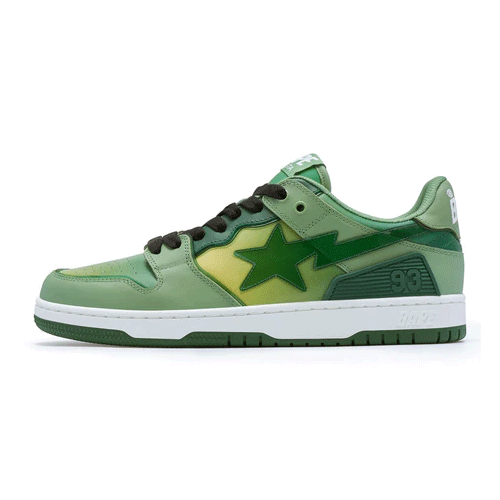
In the world of streetwear, few sneakers have sparked as much conversation, admiration, and controversy as the Bapesta. Created by Japanese streetwear label A Bathing Ape (commonly known as BAPE), the Bapesta stands as a bold symbol of fashion's collision with hip-hop culture, sneaker fandom, and pop art.
Since its release in the early 2000s, the Bapesta has become more than just a shoe—it’s a cultural icon. Its star-shaped design, glossy uppers, and unmistakable silhouette have cemented its place among the most recognizable sneakers in fashion history.
But the story of the Bapesta isn’t just about looks. It’s about influence, innovation, and impact. This article explores the origins, evolution, and enduring appeal of the Bapesta sneaker—and why it continues to matter in 2025.
The Origins of Bapesta: A Homage or a Copy?
The Bapesta made its debut in 2002, the brainchild of BAPE founder Nigo. Drawing direct inspiration from Nike’s Air Force 1, the similarities were impossible to ignore. From the sole unit to the paneling, the Bapesta looked like a mirror image—except for one detail: the iconic Nike Swoosh was replaced with BAPE’s signature lightning bolt logo.
This led to widespread debate. Was it a bootleg? A tribute? Or a calculated act of cultural remixing?
In Japan’s underground fashion scene, such reinterpretations were commonplace. Nigo wasn’t just copying; he was recontextualizing American streetwear through a Japanese lens. The Bapesta became a statement—not just on fashion, but on globalization, creativity, and rebellion.
As hip-hop artists and celebrities embraced the brand, the Bapesta’s notoriety only grew. Pharrell Williams, Kanye West, Soulja Boy, and Lil Wayne were all early adopters, cementing the sneaker’s reputation as a status symbol.
Design Features That Made the Bapesta Stand Out
At first glance, the Bapesta could easily be mistaken for an Air Force 1. But closer inspection reveals its unique identity. The most striking feature is the bold STA logo—a shooting star motif that has become synonymous with the brand.
Unlike the matte leather finish of its Nike counterpart, Bapestas were known for their use of glossy, patent leather. The colors were louder, the patterns more daring, and the collaborations more adventurous. From camo prints to cartoon character collabs, each pair was designed to make a statement.
Comfort and build quality were also part of the equation. While some early iterations were criticized for their rigidity, newer models have improved significantly in fit, cushioning, and durability.
The Evolution of Bapesta: From Cult Classic to Global Hype
The Bapesta’s journey hasn’t been linear. After peaking in the mid-2000s, the sneaker went relatively quiet, with BAPE shifting its focus to apparel and other collaborations. But like many fashion icons, the Bapesta saw a revival as 2000s nostalgia swept through Gen Z wardrobes.
In recent years, BAPE has reintroduced the Bapesta in new colorways, limited-edition drops, and high-profile collabs. The shoe has also benefited from a broader resurgence in low-top sneakers and retro aesthetics.
Re-releases and modern updates now feature more premium materials, better construction, and sustainable production practices. This reflects a shift in consumer expectations—and a smart pivot by BAPE to maintain relevance.
Collaborations: Bapesta’s Golden Ticket
Part of the Bapesta’s lasting appeal lies in its collaborations. Over the years, BAPE has teamed up with a range of artists, designers, and brands to produce highly coveted versions of the shoe.
Standout partnerships include:
-
Pharrell and the Billionaire Boys Club x Bapesta editions, which added a personal touch from one of the sneaker’s earliest champions.
-
Marvel Comics-inspired designs featuring Iron Man, Spider-Man, and other superheroes, blending streetwear with pop culture.
-
Recent collabs with brands like Coach and Adidas, marking a new era of high-fashion crossovers.
Each collaboration brought something fresh to the table, drawing in collectors and pushing the boundaries of what a sneaker could represent.
Why Bapesta Still Matters in 2025
In a world flooded with sneaker releases, the Bapesta continues to stand apart. It’s not just because of nostalgia, or hype, or celebrity endorsements. It’s because the shoe taps into something deeper: the desire to be seen, to be unique, and to wear a story on your feet.
Streetwear today is more global, more digital, and more diverse than ever. And yet, certain icons like the Bapesta endure. They evolve with the culture instead of trying to control it.
In 2025, you’ll still find Bapestas on the feet of rap stars, fashion influencers, TikTok trendsetters, and sneakerheads who appreciate a blend of heritage and heat.
Styling the Bapesta: Modern Looks with a Classic Edge
Part of what keeps the Bapesta fresh is how versatile it is. Whether you’re going for Y2K nostalgia or a minimalist streetwear fit, the Bapesta can fit right in—or stand out.
Pair brightly colored Bapestas with baggy jeans, oversized hoodies, and graphic tees for a full 2000s throwback. Or let a white-on-white pair elevate a clean monochrome outfit with subtle flair.
Because the shoe has such a strong visual identity, it often acts as the centerpiece of a look. So don’t be afraid to build your outfit around your sneakers.
Collecting Bapestas: What to Know
For sneaker collectors, Bapestas occupy a unique niche. They're not part of the Nike or Adidas resale machine, but their value often grows based on rarity and collaboration. Older models, especially those from the mid-2000s, are now considered grails.
When buying a Bapesta, consider:
-
Release year and edition: OG models and early collabs fetch higher prices.
-
Condition: Due to their glossy finish, Bapestas can crease or scuff more easily.
-
Authenticity: With their growing popularity, replicas are common. Stick to reputable sources when shopping.
Whether you're collecting for nostalgia, investment, or pure style, Bapestas offer a rich history and an evolving legacy.
The Future of Bapesta: Where Do We Go From Here?
As BAPE continues to innovate and expand its global presence, the Bapesta remains at the core of its identity. Future releases will likely tap into the metaverse, digital fashion, and AI-driven design, keeping the silhouette fresh for a new generation.
Sustainability will also play a role. With more consumers demanding ethical practices, BAPE has the opportunity to evolve its production model while keeping the spirit of the Bapesta alive.
Expect more gender-inclusive sizing, diverse collaborations, and nods to emerging subcultures. Whether you’re a day-one fan or a newcomer, there’s never been a better time to wear the star.
Conclusion: Why the Bapesta Will Always Be a Streetwear Icon
In the ever-shifting world of fashion, trends come and go—but the Bapesta stays winning. Its story is one of bold design, cultural crossover, and fearless creativity. It blurred the lines between homage and originality, and in doing so, became an icon in its own right.


 English
 Arabic
 French
 Portuguese
 Deutsch
 Turkish
 Dutch
Dutch
 Italiano
 Russian
 Romaian
 Portuguese (Brazil)
 Greek
Greek
