


 Pro Benefits
 About
About
 Koşullar
 Gizlilik
Why Handicap Estimators Are the Most Honest Measure of Your Golf Skill
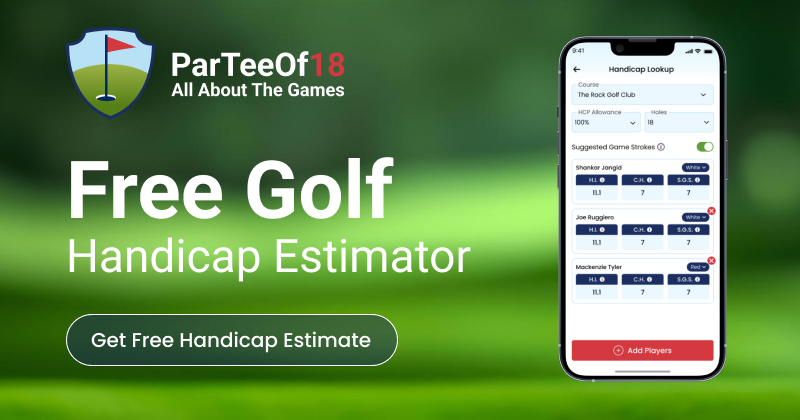
Golf has a unique way of humbling players. One day you feel unstoppable, and the next day the game seems impossible. Because of this inconsistency, judging your ability based on individual rounds—or even average scores—can be misleading. This is exactly why handicap estimators exist.
A handicap estimator is not just a scoring tool. It is one of the most honest and reliable methods for measuring real golfing skill. By accounting for course difficulty, performance trends, and potential rather than perfection, handicap estimators reveal where your game truly stands. In this article, we’ll explore why these tools are so accurate, how they work, and how they expose your real ability better than any single scorecard ever could.
What Makes Handicap Estimators Different From Simple Score Tracking
Scores Tell What Happened — Handicaps Tell What You’re Capable Of
A single golf score only tells you how you played that day. It doesn’t explain why you played that way or whether it reflects your actual skill. Wind, pin placements, nerves, course conditions, and even fatigue can dramatically affect performance.
Handicap estimators look beyond individual outcomes. Instead of reacting to one good or bad round, they analyze performance across multiple rounds. This long-term view allows them to measure capability rather than circumstance, which is why they’re far more honest than raw scoring averages.
Why Golf Needs Skill-Based Measurement
Golf is one of the few sports where players of different abilities regularly compete together. Without handicaps, fair competition would be impossible.
Handicap estimators ensure fairness by answering a simple question: How well can this golfer play under normal conditions? That answer allows golfers of different levels to compete, practice, and improve with clarity and confidence.
How Handicap Estimators Measure Real Skill Level
The Role of Adjusted Scores
One disastrous hole can ruin a scorecard but shouldn’t define a golfer’s ability. Handicap estimators solve this problem using adjusted gross scores, which cap the damage of blow-up holes.
This adjustment prevents one mistake from distorting your handicap and keeps the focus on overall skill rather than isolated errors. Over time, this creates a far more accurate reflection of your real playing level.
Course Rating and Slope: Why Not All Courses Are Equal
A score means nothing without context. Shooting 88 on a difficult course may reflect better golf than shooting 82 on an easy one.
Handicap estimators correct for this using course rating and slope rating. These values represent how challenging a course is for both elite and average golfers. By factoring them into calculations, handicap estimators ensure that performance is measured fairly across different courses.
This is one of the main reasons handicaps reveal true skill instead of rewarding easy conditions.
Why Handicap Estimators Focus on Potential, Not Consistency
Best Rounds Reveal Skill Ceiling
Many golfers are confused when they learn that handicap estimators rely heavily on a golfer’s best rounds rather than an overall average. This design is intentional.
Your best rounds demonstrate what your game looks like when fundamentals, decision-making, and execution align. Those rounds showcase your true skill ceiling. Handicap estimators prioritize these performances because they represent ability—not randomness.
Inconsistency Doesn’t Equal Lack of Skill
Golfers often confuse inconsistency with poor skill. In reality, inconsistency is normal, especially for developing players.
Handicap estimators separate potential from volatility. A golfer who occasionally plays very well but struggles at times may have a lower handicap than someone who is steady but limited. This distinction allows the system to measure real talent rather than comfort-zone performance.
What Your Handicap Says About Your Game
Reading Between Handicap Changes
A handicap number is more than a ranking—it’s a trend indicator. When your handicap drops slowly over time, it usually means fundamentals are improving. Sudden improvements may indicate better course management or short-game gains. Plateaus can signal inefficient practice or unaddressed weaknesses.
Handicap estimators help golfers understand progress, not just results.
Identifying Hidden Strengths and Weaknesses
By comparing rounds that influence your handicap to those that don’t, patterns begin to emerge. You may discover that:
-
Your ball striking supports a lower handicap than your scores suggest
-
Putting or short-game mistakes are limiting scoring
-
Mental errors inflate scores despite strong mechanics
This insight allows golfers to train with purpose instead of guessing what needs improvement.
Different Handicap Estimator Options and Their Uses
Official Handicap Systems for Competitive Golf
Official handicap systems follow strict rules and are required for tournaments and league play. They offer standardized accuracy and are ideal for competitive golfers.
However, they often require club membership and formal score submission, which may not suit every golfer.
Online Handicap Estimators for Everyday Players
Online handicap estimators provide flexibility and accessibility. While unofficial, they still follow core handicap principles and offer reliable estimates when used correctly.
For recreational golfers, beginners, or those returning to the game, these tools are an excellent way to track progress without commitment.
Golf Apps That Combine Data and Estimation
Modern golf apps integrate handicap estimation with performance stats, GPS tracking, and round history. This combination helps golfers connect their handicap changes to specific on-course behaviors, making improvement more actionable.
Common Myths That Confuse Golfers About Handicaps
“I Should Shoot My Handicap Every Round”
One of the most damaging misconceptions in golf is the belief that your handicap predicts your expected score. In reality, golfers play to their handicap only occasionally.
Your handicap represents a good performance, not an average one. Understanding this helps golfers avoid frustration and unrealistic expectations.
“A Low Handicap Means No Bad Rounds”
Even elite golfers have poor days. A low handicap does not eliminate inconsistency—it simply indicates a higher level of potential.
Handicap estimators recognize this reality and are designed to reflect ability, not perfection.
How to Use Handicap Estimators to Improve Faster
Logging Scores the Right Way
To get accurate results, golfers must enter scores consistently and honestly. Selective score entry defeats the purpose of estimation and leads to misleading numbers.
Including all rounds—good and bad—allows the estimator to filter noise and highlight genuine ability.
Turning Handicap Trends Into a Practice Plan
Instead of chasing lower scores every round, focus on lowering your handicap over time. Use trends to guide practice priorities:
-
Stable handicap → refine scoring clubs
-
Rising handicap → revisit fundamentals
-
Falling handicap → reinforce what’s working
This approach creates steady, sustainable improvement.
Final Perspective
Handicap estimators are powerful because they remove emotion, bias, and short-term thinking from golf evaluation. They measure what truly matters: your ability to play good golf when conditions allow.
By accounting for course difficulty, minimizing randomness, and emphasizing potential, handicap estimators provide the clearest picture of your real skill level. Whether you’re new to the game or chasing long-term improvement, using a handicap estimator consistently can change how you understand—and improve—your golf.
Your handicap isn’t just a number. It’s the most honest conversation you can have with your game.

 English
 Arabic
 French
 Spanish
 Portuguese
 Deutsch
 Dutch
Dutch
 Italiano
 Russian
 Romaian
 Portuguese (Brazil)
 Greek
Greek
