


 Pro Benefits
 О нас
О нас
 Условия использования
 Конфиденциальность
How Sustainable Facade Systems Help Reduce Building Energy Costs?
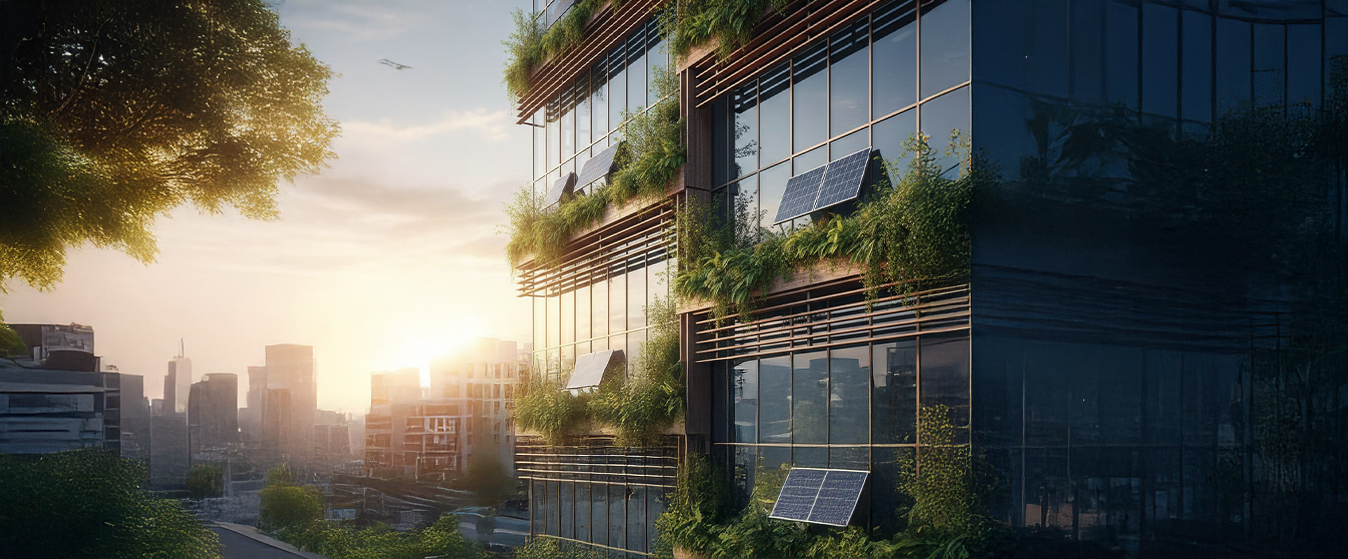
Energy consumption has become one of the most critical concerns in modern building design. Rising utility costs, stricter environmental regulations, and growing awareness of climate impact have pushed architects and developers to rethink how buildings perform, not just how they look. Among the many design elements that influence energy efficiency, the building facade plays one of the most decisive roles.
A facade is more than an external skin. It controls how heat, light, and air interact with the building throughout the day and across seasons. When designed with sustainability in mind, modern solutions such as aluminium facade systems can significantly reduce energy demand while improving indoor comfort and long-term operational efficiency.
The facade is the first line of energy control
Every building constantly exchanges energy with its surroundings. Heat enters through sun exposure, escapes through poorly insulated surfaces, and fluctuates with outdoor temperature changes. The facade sits at the center of this exchange.
Traditional facade systems often allow excessive heat gain during warmer months and heat loss during cooler periods. Sustainable facade systems, particularly engineered aluminium facade systems, are designed to regulate this transfer more effectively. They create a controlled barrier that adapts to climate conditions rather than reacting to them.
This controlled performance directly reduces the load on mechanical systems such as air conditioning and heating, which are typically the biggest contributors to energy bills.
Improved thermal insulation reduces HVAC dependency
One of the most immediate benefits of sustainable facade systems is improved thermal insulation. Advanced materials, multi-layer assemblies, and precision-engineered aluminium glass facade systems slow down heat transfer between indoor and outdoor environments.
When interiors remain naturally stable in temperature, HVAC systems do not need to work as hard or as frequently. This leads to lower electricity consumption, reduced equipment wear, and longer system lifespans.
Over time, the reduction in HVAC energy usage translates into measurable operational cost savings, especially in large commercial or high-rise residential buildings.
Smart daylight management lowers lighting costs
Natural light is an underutilized resource in many buildings. Poorly designed facades either block daylight entirely or allow excessive glare and heat penetration.
Sustainable facade systems are designed to balance daylight intake. High-performance glazing, shading devices, and facade orientation strategies allow natural light to penetrate deeper into interior spaces without overheating them.
When daylight is managed effectively, dependence on artificial lighting during daytime hours drops significantly. This not only cuts electricity costs but also improves occupant comfort and productivity.
Solar control reduces unwanted heat gain
Direct solar radiation is one of the main causes of indoor heat buildup. Sustainable facades address this through solar control strategies such as external shading elements, louvers, double-skin facades, and coated glass systems.
By filtering or deflecting excessive solar heat before it enters the building envelope, these systems maintain comfortable indoor temperatures without excessive cooling.
This passive approach to temperature regulation is far more energy-efficient than relying solely on mechanical cooling solutions.
Ventilated facade systems enhance passive cooling
Ventilated or rainscreen facade systems introduce an air cavity between the outer cladding and the main building structure. This cavity allows air to circulate naturally, removing accumulated heat before it reaches interior spaces.
In warm climates, ventilated facades significantly reduce heat transfer into the building. During cooler periods, the same system can help retain warmth by acting as an additional thermal buffer.
The result is reduced energy consumption across seasons, achieved through passive design rather than active systems.
Durable materials reduce long-term energy impact
Sustainability is not limited to operational energy use. The embodied energy of materials and their lifespan also influence a building’s overall energy performance.
Facade systems made from durable, low-maintenance materials reduce the need for frequent repairs, replacements, or refurbishments. A smaller number of interventions means less energy spent on manufacturing, transportation, and installation over the building’s lifecycle.
Over decades, this cumulative reduction contributes significantly to overall energy efficiency and cost savings.
Energy efficiency improves building value
Lower energy costs are not just a technical benefit. They directly impact building economics. Energy-efficient buildings often command higher rental values, attract quality tenants, and experience lower vacancy rates.
For owners and developers, sustainable facade systems become an investment rather than an expense. The initial cost is offset by reduced operational expenses and improved long-term asset value.
Final Thoughts
Sustainable facade systems redefine how buildings interact with their environment. By controlling heat transfer, optimizing daylight, enabling passive cooling, and reducing reliance on mechanical systems, these facades play a crucial role in lowering energy costs throughout a building’s lifespan.
Aparna Externa specializes in advanced facade solutions, curtain walls, glass assemblies, skylights, powder coating, and digital facade engineering. With a strong focus on innovation, sustainability, and architectural excellence, the company delivers facade systems that balance performance, aesthetics, and long-term efficiency.

 English
 Arabic
 French
 Spanish
 Portuguese
 Deutsch
 Turkish
 Dutch
Dutch
 Italiano
 Romaian
 Portuguese (Brazil)
 Greek
Greek
