


 Pro Benefits
 Sobre
Sobre
 Termos
 Privacidade
 Child Safety & Protection
 Notificações
 Ayrush Global It Services Pvt Ltd
iOS vs Android: What Your App Development Company Should Tell You
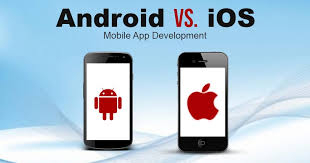
The decision to develop a mobile app is a major step for any business looking to expand its digital footprint. One of the most critical questions businesses face early in the process is: Should we build our app for iOS or Android first? Both platforms dominate the global mobile market, yet they differ in user demographics, development requirements, revenue models, and long-term scalability.
As a leading mobile app development company in South Africa, Devherds has helped countless businesses navigate this decision. We understand that choosing between iOS and Android is not about picking the “better” option—it’s about identifying which platform aligns with your business goals, target audience, and growth strategy. In this article, we break down what your app development partner should tell you when weighing iOS against Android.
Understanding Market Share and Audience
The first factor to consider is your target audience. Globally, Android dominates with the largest user base, particularly in emerging markets. On the other hand, iOS maintains a strong foothold in premium markets like the United States, Western Europe, and affluent parts of Africa.
-
Android Users: Tend to be diverse, price-sensitive, and spread across different regions. The platform’s affordability ensures massive adoption in South Africa, making it ideal for brands aiming for maximum reach.
-
iOS Users: Represent a higher-income demographic. They are generally more tech-savvy, loyal, and willing to spend on premium apps and services.
At Devherds, we advise clients to carefully study their target users before committing to a platform. A business targeting wide adoption across South Africa may lean toward Android, while one seeking premium customers might prioritize iOS.
Development Costs and Timeframes
Budget and timelines play a major role in app development decisions.
-
iOS Development: With fewer device variations, iOS apps are often quicker to develop and test. Apple’s ecosystem is standardized, reducing complexity during the development cycle.
-
Android Development: Because Android supports hundreds of devices with varying screen sizes and OS versions, testing and optimization take more time. This often increases development costs compared to iOS.
As an experienced mobile app development company in South Africa, Devherds ensures transparency in cost and timeline planning, helping businesses allocate resources effectively.
Revenue Potential and Monetization
The monetization strategy of your app significantly impacts the platform choice.
-
iOS Revenue Models: iOS users spend more on apps, subscriptions, and in-app purchases. If your goal is direct monetization, iOS is often the better initial choice.
-
Android Revenue Models: While Android users spend less per individual, the platform’s massive user base supports advertising and freemium models. For apps dependent on scale, Android offers unmatched opportunities.
Devherds tailors app monetization strategies to align with each client’s goals, ensuring South African businesses maximize their return on investment.
App Store vs. Google Play: Approval and Distribution
Each platform has unique processes for app approval and distribution.
-
Apple App Store: Known for strict approval guidelines. Apps must meet high standards for design, security, and performance. While this can delay launches, it often improves user trust and app credibility.
-
Google Play Store: More flexible with faster approval timelines. Developers can release updates quickly, making it easier to adapt and iterate. However, the looser regulations can lead to higher competition.
Devherds supports brands through the submission process, ensuring compliance while optimizing for visibility on both platforms.
Design and User Experience Differences
Both iOS and Android have distinct design philosophies that shape user experience.
-
iOS Design: Apple’s Human Interface Guidelines emphasize simplicity, elegance, and consistency. Apps built for iOS tend to feel polished and intuitive.
-
Android Design: Google’s Material Design focuses on bold visuals, dynamic motion, and flexibility. Android apps often provide more customization for users.
As a trusted mobile application development company in South Africa, Devherds creates platform-specific designs that resonate with users, ensuring apps feel natural and engaging.
Security Considerations
Security is a top priority in app development, particularly for apps handling sensitive information.
-
iOS Security: Apple’s closed ecosystem and strict regulations provide enhanced security against malware and breaches.
-
Android Security: While Android is more open, it is also more vulnerable. Developers must implement stronger third-party security measures to ensure protection.
At Devherds, we integrate advanced security protocols into every app, safeguarding both businesses and users regardless of platform.
Maintenance and Updates
Post-launch maintenance is crucial to an app’s success.
-
iOS Maintenance: With fewer devices and OS versions, updates are generally easier to roll out. However, apps must stay compatible with Apple’s frequent updates.
-
Android Maintenance: Supporting multiple devices requires extensive testing during every update. Maintenance can be more resource-intensive compared to iOS.
Devherds provides ongoing support and maintenance services, ensuring apps remain updated, stable, and competitive.
Long-Term Scalability
Choosing between iOS and Android does not mean committing to one forever. Many businesses launch on one platform and expand later.
-
Starting with iOS: Best for businesses seeking early profitability, premium users, or apps requiring high security.
-
Starting with Android: Ideal for brands focused on reach, adoption, and testing with larger audiences.
Our phased development approach at Devherds allows South African businesses to scale strategically, optimizing resources while maximizing market presence.
Case Examples in South Africa
To better illustrate platform choice, here are some real-world applications:
-
Retail Startup: Launched on Android first to reach a large audience across diverse demographics, then scaled to iOS once the brand established a loyal base.
-
Healthcare Provider: Began with iOS to ensure secure, reliable performance for sensitive patient data, later expanding to Android for wider accessibility.
-
Fintech Business: Opted for iOS first due to higher monetization potential, then introduced Android to increase adoption across South Africa.
These cases demonstrate how platform choice depends heavily on business objectives, not just technology.
The Role of an Expert App Development Company
Making the right decision between iOS and Android requires a clear understanding of market conditions, audience behavior, and financial goals. Partnering with the right app development company ensures businesses receive expert guidance tailored to their unique needs.
Devherds, a leading mobile app development company in South Africa, provides businesses with:
-
Comprehensive market analysis before platform selection.
-
Customized app development strategies aligned with business goals.
-
Expertise in both iOS and Android ecosystems.
-
Scalable, secure, and innovative mobile app solutions.
Conclusion
The choice between iOS and Android is one of the most important steps in mobile app development. While iOS offers a premium user base, stronger monetization, and enhanced security, Android provides unparalleled reach and flexibility. The right decision depends on your audience, budget, and business objectives.
By working with Devherds, a trusted mobile app development company in South Africa, businesses can make informed decisions that ensure long-term digital success. With our expertise, your mobile app will not only meet technical standards but also deliver meaningful value to your customers.
 Portuguese
 English
 Arabic
 French
 Spanish
 Deutsch
 Turkish
 Dutch
Dutch
 Italiano
 Russian
 Romaian
 Portuguese (Brazil)
 Greek
Greek
