


 Pro Benefits
 About
About
 Termeni
 Confidențialitate
 Child Safety & Protection
 Notificări
 Ayrush Global It Services Pvt Ltd
The Complete Guide to Modern Fire Sprinkler Systems: Protection, Technology, and Inspection
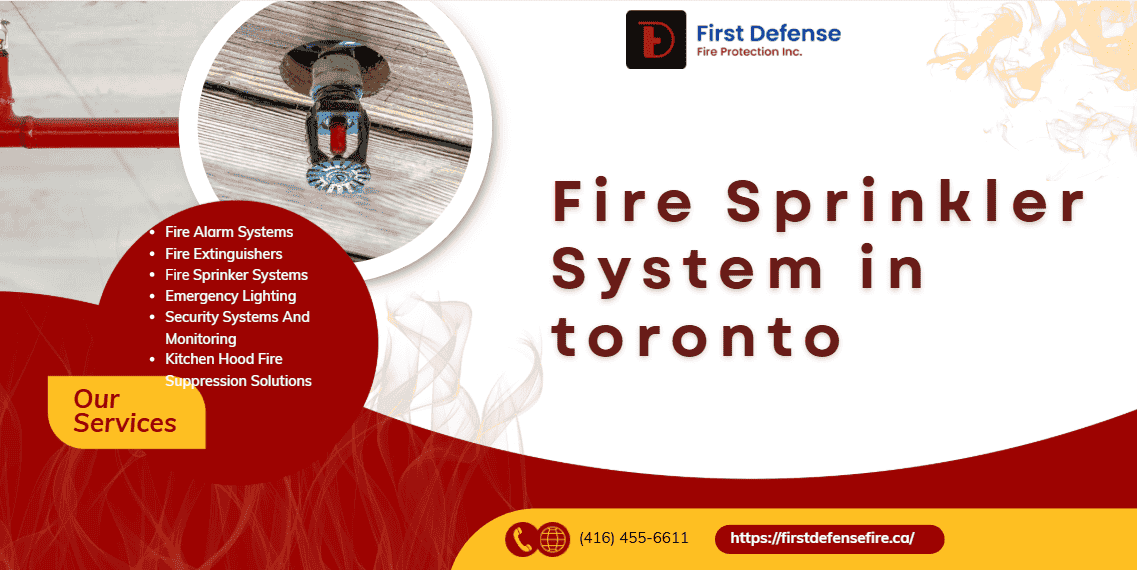
Sprinkler systems, when designed correctly, are one of the most effective ways to protect both lives and property. Over the past century, these life-saving devices have undergone rapid evolution, primarily due to the major advancements in technology, materials, and design, making sprinkler systems more efficient and responsive than ever before. As a property owner, facility manager, or fire safety enthusiast, understanding the workings of a fire sprinkler system is essential in making decisions regarding the protection of people and property in your facility.
The Basics of Fire Suppression Technology
At the core of sprinkler technology is a simple, elegant design comprised of a one-to-one heat sensing mechanism coupled with a water dispensation mechanism. Contrary to the depiction of fire sprinkler systems in movies where all the sprinklers activate simultaneously, with modern systems, that is not the case. Each individual head of the sprinkler system has heat responsive components, whether that be a liquid filled glass bulb or a fusible metal link, that only activate when a specific temperature is reach. This means that in the event of a fire, only the sprinklers closest to it will activate. This design minimises water damage and maximises fire damage control.
Recent advancements in fire sprinkler technology have led to the development of multiple system types. Each system is designed to meet the unique needs of specific environments and applications. Wet pipe systems, the most common type, keep water under pressure throughout the piping network and thus allow an immediate response when any sprinkler head is activated. Dry pipe systems, however, add an additional layer of protection by using pressurized air or nitrogen. These systems are ideal for environments where freezing temperatures can occur and a wet system would be compromised. In pre-action systems, water cannot flow until two separate triggers have been activated. This creates an additional layer of protection for areas with sensitive, high value, or important equipment. Deluge systems are extreme high-hazard systems where quick fire spread is a concern. In these systems, all sprinkler heads are fully opened at all times and can therefore release water simultaneously.
Engineering of Sprinkler System Activation and Water Distribution
The effectiveness of a sprinkler system depends on heat sensitivity. Various tinted glass bulbs encasing the sprinkler head responsive to different temperatures. This allows the designer to calibrate the system to a temperature reacting to a specific ambient and fire hazard condition. At standard temperature, occupancy, and ambient conditions, orange or red bulbs are responsive to burning fires, while at elevated temperatures, and warmer ambient conditions, blue or violet bulbs are indicative of heat sources. This allows the designer to customize the system to those temperatures. They are responsive to the balance of effective fire control and nuisance sprinkler control.
Sprinkler systems are designed to maximize coverage and minimum water waste. Modern fire sprinklers are made to achieve different spray patterns with various deflector, whether it is a standard uniform or sidewall spray pattern or other specialized architectural spray pattern. The discharge rate of the sprinklers in gallons per minute, is set according to the hazard classification of the space. For light hazard occupancies like offices, the water density is less compared to ordinary hazard occupancy like manufacturing spaces, and high hazard chemicals stores where the water density protection is the most.
Designing Help With Fire Protection
The start of designing any fire sprinkler system of any sort is the assessing of all the potential hazards. In the case of fire protection engineering, factors such as building type construction, occupancy level, ceiling height, how storage is organized, and where possible sources of ignition lie are analyzed. Each of these variables affects all aspects of the sprinkler system design such as how big the pipes should be, how far apart the sprinkler heads should be, how much water is required to be supplied, and how the water is integrated with the alarms. The objective is to achieve a design that is adequate and responsive to the fire hazard with design challenges dictated by individual space of the system and the protection of the system.
The technical design of a system is built on hydraulic calculations. Designers and engineers must evaluate the situational design of the system and determine if the water pressure and flow rate is adequate. In case where designers have to consider multiple variables such as friction loss, elevations, and the number of sprinklers that operate simultaneously, these variables must be handled individually or in combination, but the most remote sprinkler head should be prioritized when evaluating water pressure and flow rate. Water supply, changes to water flow and pipe insert diameter all are influenced by these calculations. Sophisticated designs and modern CAD techniques have been optimally modeled and engineered with designs that manual calculations would have rendered undesirable. The design principles striving to achieve system engineering are the same in all systems. Each head must have adequate sprinkler system engineering and fire defense water supply.
Installation Best Practices and Professional Standards
Installing fire sprinkler systems takes serious professionalism. Professional fire sprinkler installation in Toronto involves local contractors that know the area’s fire sprinkler system technical specs and requisite building codes, fire department regulations, and region-specific insurance stipulations. Such contractors possess the necessary skills in pipe threading and the other welding and braze techniques, and the grooved coupling, that every connection meets the highest quality and safety specifications. Moreover, they collaborate with other contractors to plan the most effective system routing for building piping, tunnel systems, and electrical systems, and to preserve the design system and the aesthetics of the building.
Using a systematic approach is critical to the installation process. Pacing the installation steps in sequences from layout to design testing and commissioning is done to maintain accuracy. Working from the approved plan, the other installers align the placement of sprinkler heads to interval specifications, and to the required clearance standards with the walls, ceilings, and obstructions. Bottom of the pipe position is prescribed and the dry-pipe systems designed, in order for water to be positioned at the prescribed intervals. Special care is to be paid to the underground pipe bedding, positioned at the prescribed intervals and backfill, dry-pipe systems designed to prevent sagging and ensure proper drainage at intervals, to ensure decades of reliable service. Throughout the installation process, quality control checkpoints ensure the integrity of the systems, and that components do not rub together and cause undue wear to the system. These steps ultimately ensure the safety of lives that may depend on the systems in the future.
Regional Knowledge and Compliance with Local Legislation
Local knowledge is tremendously useful and necessary as different jurisdictions have different requirements for fire sprinkler systems. Leading fire sprinkler installation in Hamilton requires an understanding of Ontario Fire Code, building regulations, and municipality permit timelines which may be different from bordering jurisdictions. Established local contractors work around these requirements seamlessly and ensure to obtain the correct approvals as well as coordinate inspections with fire marshals and building officials. These contractors may even expedite the approval process owing to their rapport with local officials which lessens the chance of encountering delays and ensures that the installation is compliant with the regulation.
The regional climate is also a significant factor when considering what installation methods to use. Especially in Canada, when systems have to be shielded from freezing in unheated areas, contractors use a variety of methods, including dry pipe systems, freezing liquid prevention in wet systems, and a combination of heat tracing and insulation to prevent winter damage. They have a reputation for knowing which methods are the most effective in which situations and for juggling the installation price against dependability and maintenance in the future. This regional knowledge extends to water quality issues, seismic consideration, and environmental factors that may affect the longevity and performance of the systems.
System Longevity, Inspection, and Maintenance
Regular maintenance involves ensuring that all components of a fire sprinkler system function properly. Checking for issues eliminates the chances of compromising fire protection deadlines. Weekly checks include ensuring that all control valves stay open, the alarm systems are engaged, and all the system’s gauges are in the normal range. Monthly checks are done to make sure that the water flow alarms and supervisory signals trigger. Quarterly inspections need to check air pressure within the dry pipe system, the pre-action system, and the antifreeze levels (if applicable). Each year, a qualified technician should perform a full system assessment that includes dry pipe valve trip testing, sprinkler head inspections, and a review of system modifications to make sure protection hasn’t been lost.
During their service life, sprinkler heads will require replacement. Damage, loading with debris, and paint can all impair responsive performance. When replacing head components, they need to be replaced with the exact same model, including temperature rating, orifice size, and spray pattern. To fix recurring replacement issues in corrosive environments, changing to corrosion-resistant heads should be done. After a building's renovations, a review of fire sprinkler system coverage needs to be done to assess whether new walls, partitions, or suspended equipment have obstructed or protected areas that impair water distribution.
Integration with Building Safety Systems
Modern fire protection systems take a more cohesive approach as they integrate sprinklers with smoke detection systems, fire alarms, emergency lighting, and building management systems. When a sprinkler activates, flow switches trigger alarms for the entire building, alert the emergency responders, unlock the exit doors, recall the elevators, and shut down the HVAC systems to avoid smoke spread. This response, along with the information it provides to firefighters about the location of the fire and the status of the system, facilitates the overall safety of the occupants. Further building automation systems can even make changes based on the occupancy patterns, time of day, or detected hazards. This is more adaptive protection that promotes flexible response to a multitude of evolving factors.
This type of integration also applies to monitoring and remote diagnostics. Systems with cloud connectivity provide building managers and fire protection service providers with real-time updates about the system status, water flow, valve positions, and alarm conditions. This system design allows for proactive maintenance, quick troubleshooting, and testing and inspection documentation. Property managers can monitor the system status remotely and receive updates in real time when action needs to be taken. Such extensive oversight was not thought to be possible until recently. This, however, is becoming more and more customary with new systems and during upgrades.
Cost Analysis and Long Term Value
Even though fire sprinkler systems are a considerable cost, their value goes far beyond just the initial installation. Buildings with sprinkler systems can receive a significant reduction in their insurance premiums, and over time, this can offset the installation costs. Buildings also become more valuable, and in the case of commercial buildings, owners can charge more for rent for sprinkler protected spaces. Along with these benefits, the costs associated with fire damages are also reduced, including costly repairs, and the disruption of business operations, as well as the protection of irreplaceable items. The most valuable benefit is of course the protection of life and the prevention of injuries.
An analysis of the life cycle costs suggests a very positive return on investment. When systems are serviced properly, they can exceed their service life of over 50 years. Because of this, the annual cost of fire protection systems becomes very economical. Some designs are even energy efficient and reduce water waste during testing. New fire protection systems cost far less than the potential losses associated with a fire. Also, new sprinkler systems are often more cost effective than the regulatory requirements including insurance that they may require.
Addressing Common Misconceptions and Concerns
Despite the effectiveness of fire sprinkler systems, there can be pushback based on misunderstandings. Many people are concerned that fire systems cause extreme water damage. This belief may stem from movie portrayals, where sprinkler systems activate en masse. In reality, the majority of fires are effectively contained by just one or two sprinklers, and the amount of water damage from fire hoses would be worse. People also worry about them going off for no reason, and while that is a possibility with a poorly maintained system, there is no reason to be concerned with a system that is properly maintained. Sprinkler systems are designed to be trigger by extreme temperature, well above the normal room temperature, and a systems output can be legally tampered by a licensed installer to prevent mechanical damage that may cause sprinklers to activate for no reason.
There are also concerns about sprinkler aesthetics. These concerns are becoming less and less prevalent with the advancement of sprinkler systems. Design options such as recessed, and decorative sprinklers that satisfy multiple design aesthetics. For example, interior design options with chrome, brass, and painted to match options. In addition to design aesthetics, the systems also offer a variety of options for historic and modern construction aesthetics. As a result, architectural Design with fire protection systems can also be utilized from the beginning of a collaborative process.
Trends the Future of Fire Suppression Technology
Exciting advancements are happening with the innovation of fire sprinkler systems. The new technology smart sprinkler systems incorporates advanced sensors along with communication capability, allowing the sprinkler systems to respond even more quickly with greater precision. Water mist systems contain fine droplet misting technology which allows for fire suppression while using very little water which is ideal for areas sensitive to water usage. Completely wireless monitoring systems help to eliminate expensive and time-consuming wiring while also covering monitoring oversight. Innovation along with sustainable design considerations are helping to develop new fire suppression systems that are designed to mitigate environmental impacts using systems that are water sustainable and made with recyclable materials.
Research of sprinkler systems is helping to make fire protection more affordable for the consumer. With the simplified design of systems, plastic piping, and the integration of systems into multi purpose plumbing, the overall costs of installation are being reduced while still retaining system efficacy. With building codes mandating more and more residential sprinklers systems, innovation is creating affordable and acceptable solutions. The future of fire safety will continue to provide home and building sprinkler systems as more and more protection will be made mandatory and will no longer be seen as an option.
Conclusion
The implementation of fire sprinkler systems is a major breakthrough in safety and innovation. These systems keep occupants and property safe and integrate with building management systems. Emergency service providers can rely on these systems to perform their life-saving task and provide protection, while professional installers are able to manage a workplace to adhere to the system's building codes. A system's reliability is protected through regular service and can last decades, thanks to the service of qualified maintenance providers.
The knowledge of sprinkler systems can drive positive decision-making. This knowledge is especially valuable for organizations engaged in the construction of new buildings and the renovation of existing structures, as well as for those involved in maintaining fire protection systems. Proper fire suppression is a long-term investment that brings down insurance costs, increases the value of the property, and brings peace of mind. With fire sprinkler systems, everything we build can be protected. As codes and technology change, these systems will be able to keep altering in order to keep providing the protection that saves lives and everything we've created. In the realm of fire safety, few systems are as effective as a system that is well-designed, well-installed, and well-maintained and that also provides as valuable a set of features as a fire safety system.
 Romaian
 English
 Arabic
 French
 Spanish
 Portuguese
 Deutsch
 Turkish
 Dutch
Dutch
 Italiano
 Russian
 Portuguese (Brazil)
 Greek
Greek
