


 Pro Benefits
 About
About
 Koşullar
 Gizlilik
Online Degree vs Distance Learning Schools: How Are They Different?
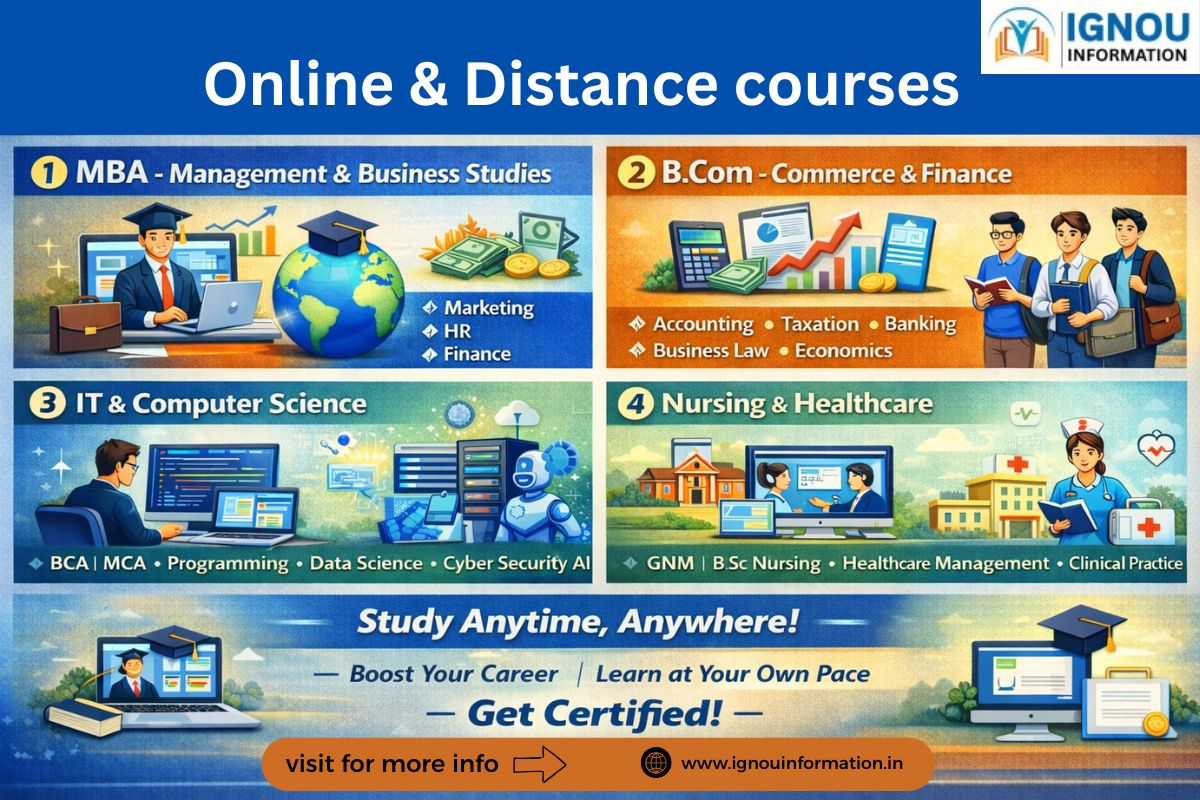
As higher education in India becomes more flexible and technology-driven, students are no longer limited to traditional classroom learning. Many learners today are confused between choosing an online degree or enrolling through distance learning schools. Both options offer flexibility, convenience, and access to education beyond physical campuses, but they are not the same.
Understanding the difference between these two learning modes is important for students after 12th, diploma holders, and working professionals who want to make informed career decisions. This comparison explains how online degrees and distance learning differ in structure, delivery, cost, recognition, and career impact.
Understanding modern flexible education formats
Online and distance courses are designed to make education accessible to learners who cannot attend regular college due to work, location, or personal responsibilities. While both modes fall under online distance education, their learning approach and experience can vary.
Distance learning and online courses have evolved from printed study materials to technology-supported platforms that include video lectures, assessments, and digital resources. However, how these elements are delivered defines the key difference between the two.
Learning format and delivery style
An online degree typically follows a fully digital learning model. Students attend live or recorded classes through learning platforms, submit assignments online, participate in discussions, and take assessments digitally. The experience closely resembles a virtual classroom, offering structured schedules and real-time interaction.
Distance learning schools, on the other hand, often provide a mix of self-paced study and digital support. Learning materials may include recorded lectures, e-content, printed resources, and limited online interaction. This format suits learners who prefer independent study over live sessions.
This distinction is important when comparing online degree vs distance learning, especially for students who value flexibility over real-time engagement.
Flexibility and time management
Flexibility is one of the strongest advantages of both learning modes. However, distance learning usually offers more freedom in terms of pace. Students can study according to their availability without strict schedules, making it ideal for working professionals and learners managing multiple responsibilities.
Online degree programs may require attendance during scheduled sessions, which helps maintain discipline but may feel restrictive for some learners. Those seeking highly flexible education options often prefer distance-based learning.
Courses and academic pathways
Both modes offer a wide range of programs. Popular choices include BTech, MBA, MCA, BBA, BA, BCom, MCom, diploma programs, and professional certifications. Students exploring the best courses after 12th or professional courses after 12th can find suitable options in both formats.
Distance education is also widely chosen for after diploma degree courses, helping learners progress academically while continuing employment. Similarly, students looking for best graduation courses after 12th or high salary courses after 12th arts stream increasingly explore flexible learning pathways.
Fees and affordability comparison
Cost plays a major role in education decisions. Online distance education fees are generally lower than regular college programs, but there can still be variation between online degrees and distance learning formats.
Online degrees may involve higher technology and platform costs, while distance learning options often remain more affordable due to minimal live infrastructure. Students comparing fees across institutions, including Lovely Professional University courses and fees, often notice these differences when evaluating learning modes.
For budget-conscious learners, understanding fee structures is essential before enrolling.
Recognition and acceptance in India
Recognition is a critical factor when choosing flexible education. Both online and distance education programs must meet regulatory guidelines to be considered valid. Degrees from recognized online distance learning universities are generally accepted in private-sector jobs and skill-based roles.
Employers today focus more on practical skills, experience, and knowledge than the mode of study alone. However, students should always verify approvals, especially when planning long-term academic or career progression.
This is where distance learning schools continue to play a key role in providing structured, recognized education for diverse learners.
Read more: Is a BTech Degree Possible Through Online or Distance Mode?
Student experience and support systems
Online degree programs usually offer stronger student engagement through live classes, discussion forums, and instructor interaction. This can be beneficial for learners who need guidance and structured support.
Distance learning places more responsibility on the student. While academic support exists, learners must be self-motivated and disciplined. This format helps develop independent learning skills, which are valuable in professional environments.
Career relevance and skill development
Both learning modes can support career growth when aligned with industry needs. Courses focused on management, technology, commerce, and applied skills are widely available through online distance education.
Students aiming for promotions, role changes, or skill upgrades often choose flexible education to avoid career breaks. The choice between online and distance learning should depend on how much structure and interaction a learner needs.
Choosing the right option for your goals
There is no one-size-fits-all answer when choosing between an online degree and distance learning. Students who prefer structured schedules and live interaction may benefit more from online programs. Those who value maximum flexibility and self-paced learning may find distance education more suitable.
Understanding the online and distance education difference helps learners align education choices with career goals, learning style, and personal commitments.
Conclusion
The choice between an online degree and distance learning depends on individual needs, learning preferences, and career plans. Both formats have made higher education more accessible and flexible for Indian learners. By understanding their differences, students can make informed decisions that support long-term career growth. For learners seeking clarity on flexible education pathways, ignou information serves as a helpful resource for understanding options and making informed academic choices.
FAQs
What is the main difference between an online degree and distance learning?
An online degree focuses on live or scheduled digital learning, while distance learning emphasizes self-paced study.
Which option is more flexible for working professionals?
Distance learning usually offers greater flexibility in terms of time and pace.
Are online degrees and distance learning equally recognized in India?
Recognition depends on institutional approvals rather than the learning mode.
Which is more affordable: online degree or distance learning?
Distance learning is often more cost-effective, though fees vary by institution.
Can both options help with career growth?
Yes, when combined with relevant skills and experience, both can support career advancement.

 English
 Arabic
 French
 Spanish
 Portuguese
 Deutsch
 Dutch
Dutch
 Italiano
 Russian
 Romaian
 Portuguese (Brazil)
 Greek
Greek
