


 Pro Benefits
 About
About
 Termini e Condizioni
 Privacy
What Is PRP Hair Treatment and How Does It Work for Hair Regrowth?
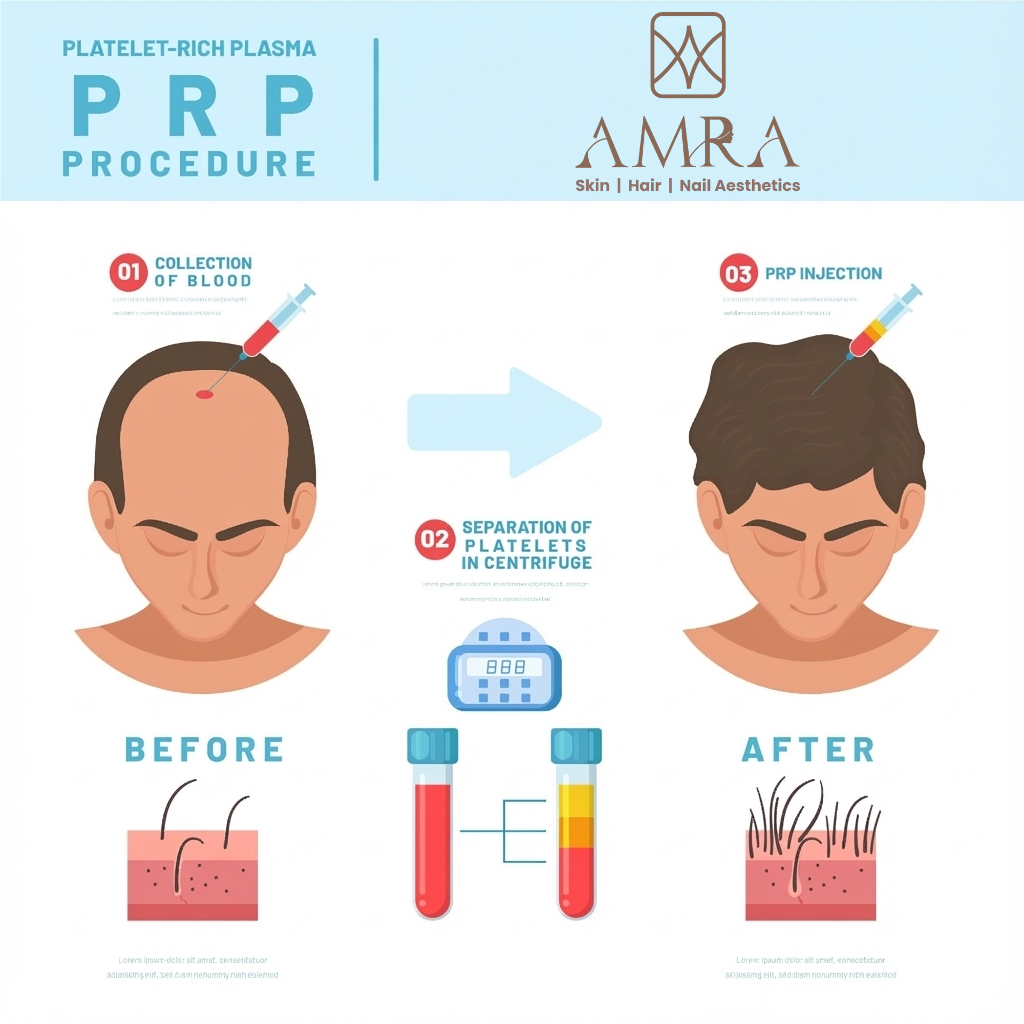
Hair loss is one of those concerns people often notice quietly but feel deeply. It may begin as mild thinning, increased hair fall during showers, or a scalp that becomes more visible over time. While genetics play a major role, factors like stress, nutrition, hormonal changes, and scalp health also influence hair growth. Among modern non-surgical options, PRP hair treatment has gained attention for its science-based approach to supporting hair regrowth.
This article explains what PRP hair treatment is, how it works, who it is suitable for, and what results people can realistically expect—without hype or exaggerated claims.
Understanding Hair Growth and Hair Loss
Hair grows in cycles: the growth phase (anagen), transition phase (catagen), and resting phase (telogen). Hair thinning occurs when the growth phase shortens and follicles gradually weaken. Over time, this can lead to visible hair loss.
Common reasons include:
-
Genetic predisposition
-
Hormonal imbalance
-
Nutritional deficiencies
-
Chronic stress
-
Scalp inflammation or medical conditions
A qualified hair treatment dermatologist typically evaluates these factors before suggesting any procedure, including PRP.
What Exactly Is PRP Hair Treatment?
PRP (Platelet-Rich Plasma) hair treatment is a regenerative procedure that uses a person’s own blood to support hair follicle function. Platelets are known to contain growth factors that help with tissue repair and cell renewal. When concentrated and introduced into the scalp, PRP aims to improve follicle health and stimulate natural hair growth.
Because the treatment relies on the body’s own plasma, it is often considered a biological and minimally invasive option rather than a cosmetic shortcut.
How PRP Works at a Cellular Level
Platelets release growth factors such as:
-
Platelet-derived growth factor (PDGF)
-
Vascular endothelial growth factor (VEGF)
-
Insulin-like growth factor (IGF)
These elements help improve blood circulation to the scalp, support follicle nutrition, and may extend the hair growth phase. PRP does not create new follicles; instead, it focuses on revitalizing existing ones that have become weak or dormant.
Step-by-Step: How PRP Hair Treatment Is Done
PRP therapy usually follows a standard medical process:
Blood Collection
A small amount of blood is drawn, similar to routine lab testing.
Plasma Separation
The blood is placed in a centrifuge to separate platelet-rich plasma from other components.
Scalp Application
The PRP is injected into targeted areas of the scalp where thinning or hair loss is observed.
The entire session typically takes under an hour, and patients can resume daily activities shortly afterward.
Who Can Benefit from PRP Hair Treatment?
PRP tends to work best for individuals who:
-
Are experiencing early or moderate hair thinning
-
Have androgenetic alopecia
-
Want a non-surgical option
-
Are not immediate candidates for a hair transplant in Madurai
It is used for both men and women, depending on diagnosis and hair loss pattern.
PRP vs Hair Transplant: A Practical Comparison
PRP and hair transplant procedures serve different purposes.
-
PRP Hair Treatment
-
Non-surgical
-
Focuses on improving existing hair
-
Suitable for thinning and early hair loss
-
Hair Transplant
-
Surgical method
-
Redistributes hair follicles
-
Used for advanced or permanent hair loss
In many modern hair clinics, PRP is also used as a supportive therapy before or after transplant procedures.
Expected Results and Timeline
PRP is a gradual process, not an instant fix.
-
Reduced hair fall may be noticed within 1–2 months
-
Improved texture and thickness often appear after 3–4 months
-
Visible regrowth typically requires consistent sessions over 6 months
Results vary based on age, cause of hair loss, and overall scalp health.
How Many PRP Sessions Are Usually Required?
Most treatment plans include:
-
3 to 4 initial sessions spaced a few weeks apart
-
Periodic maintenance sessions if recommended
A personalized schedule is usually determined by a dermatologist at a qualified hair care center.
Safety and Side Effects
PRP is generally considered safe when performed in a clinical setting. Since it uses the patient’s own blood, allergic reactions are rare. Temporary effects may include mild swelling, tenderness, or redness at injection sites.
Clinical expertise and hygiene standards play a key role in minimizing risks.
Why Diagnosis Matters More Than the Procedure
PRP works best when used for the right indication. A thorough evaluation by a hair treatment dermatologist helps determine whether PRP alone is sufficient or if it should be combined with medical therapy, lifestyle changes, or other treatments.
This diagnostic approach is a defining feature of a reliable hair clinic rather than a one-size-fits-all solution.
PRP Hair Treatment and Clinical Care in Madurai
Clinics such as Amra Skin Clinic in Madurai follow a medical-first approach—focusing on diagnosis, patient education, and realistic treatment planning rather than cosmetic promises. This aligns with how PRP is intended to be used in dermatology practice.
Conclusion
PRP hair treatment represents a medically grounded approach to managing hair thinning and early hair loss. By using the body’s own regenerative properties, it focuses on strengthening existing hair follicles rather than offering quick cosmetic fixes. While it is not a universal solution, PRP can be a valuable option when guided by proper diagnosis and realistic expectations.
For individuals exploring care at a trusted hair clinic or hair care center, understanding how PRP works—and where its limits lie—helps in making informed, confident decisions about long-term hair health.
Frequently Asked Questions (FAQs)
1. Is PRP hair treatment permanent?
PRP helps improve hair quality and slow hair loss, but it does not permanently stop genetic hair thinning. Maintenance sessions may be recommended based on individual response.
2. Can PRP regrow hair on completely bald areas?
PRP is less effective in areas with complete follicle loss. It works best where follicles are still present but weakened.
3. Is PRP suitable for women with hair thinning?
Yes. PRP is commonly used for female pattern hair thinning, postpartum hair loss, and stress-related shedding when clinically appropriate.
4. Does PRP replace the need for a hair transplant?
Not always. PRP may delay or complement a hair transplant in Madurai, but advanced hair loss often requires surgical options.
5. How do I know if PRP is right for me?
A consultation with a qualified hair treatment dermatologist is essential. Diagnosis determines whether PRP is suitable or if alternative treatments are more effective.

 English
 Arabic
 French
 Spanish
 Portuguese
 Deutsch
 Turkish
 Dutch
Dutch
 Russian
 Romaian
 Portuguese (Brazil)
 Greek
Greek
