


 Pro Benefits
 About
About
 Terms
Terms
 Privacy
Iverguard 12 mg for Humans: Side Effects & Safety Tips
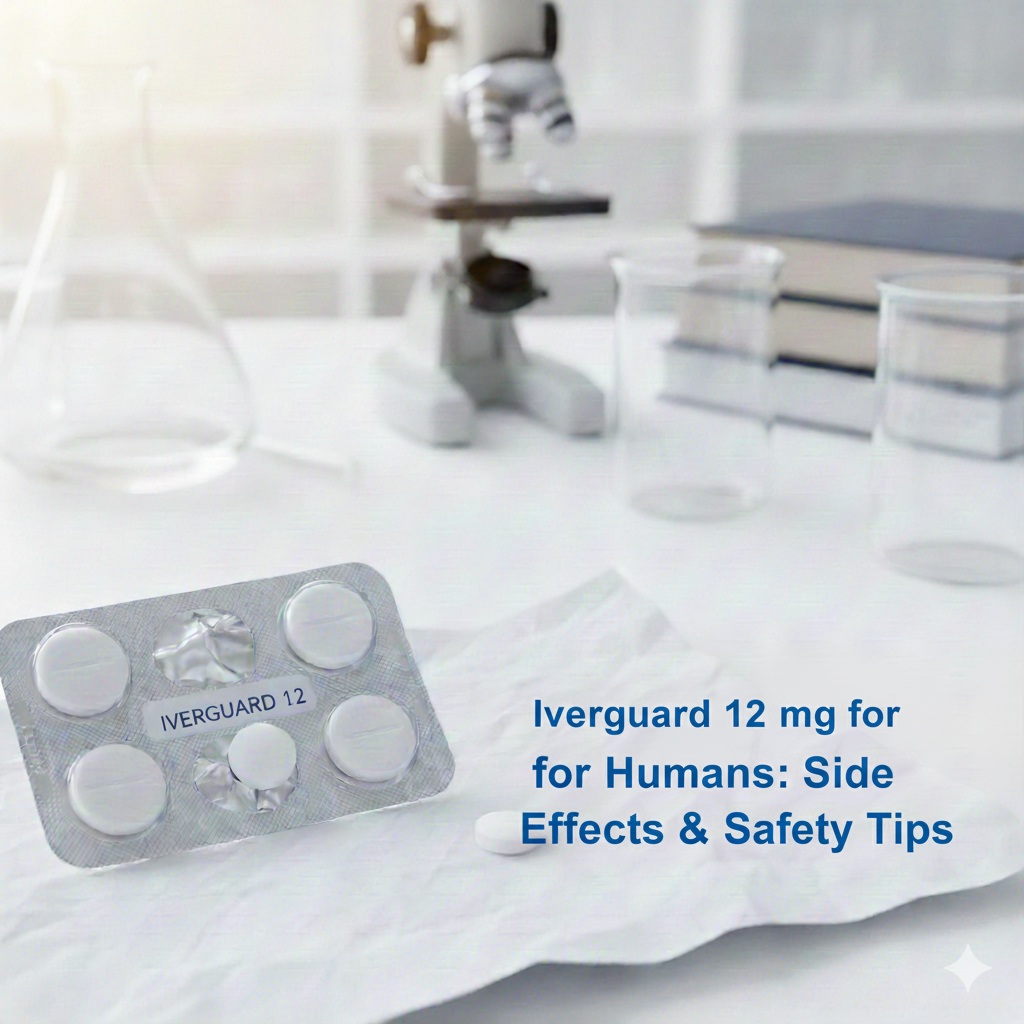
Parasitic infections aren't something most of us dwell on, but when they hit, they can disrupt life in unexpected ways - like constant itching or unexplained tiredness. Iverguard 12 mg, a tablet containing the antiparasitic agent Ivermectin, has helped many people get back on track. While it's effective for certain conditions, understanding its side effects and how to use it safely is crucial. In this guide, we'll dive into what you need to know, drawing from general medical insights. I'm not a doctor, just someone passionate about health education, but always prioritize professional advice for your health decisions.

What Is Iverguard 12 mg?
Iverguard 12 mg is an oral medication designed for humans, with each tablet packing 12 milligrams of Ivermectin. It's commonly used to combat parasites that invade the body, such as worms or mites.
This brand is available in many pharmacies, often in simple packaging for easy access. It's similar to other Ivermectin products but tailored for specific dosing needs. If you're prescribed it, it's usually for short-term use, making it a practical choice for targeted treatment.
Knowing what you're taking builds confidence. Iverguard focuses on human formulations, so steer clear of animal versions—they're not interchangeable.
How Does It Work in the Body?
Ivermectin in Iverguard targets parasites by disrupting their nerve signals, leading to paralysis and death. Your body then naturally expels them.
This process happens without majorly affecting human cells, which is why it's considered safe for most when dosed right. It absorbs into the bloodstream quickly, working on both internal and external parasites.
For users, this means relief from symptoms like skin irritation or gut issues, but the full effect builds over days.
Common Side Effects to Expect
No medication is side-effect-free, and Iverguard is no exception. Many are mild and fade as your body adjusts.
Here are some frequent ones:
- Mild dizziness, especially if you stand up too fast.
- Nausea or a bit of stomach discomfort after taking it.
- Increased itching temporarily, as parasites release substances while dying.
- Headache or fatigue, which often eases with rest.
These happen because the drug is doing its job, but they're usually short-lived. Drinking plenty of water can help.
If you're new to it, starting on a day off might let you monitor how you feel without added stress.
Serious Side Effects: When to Act
While rare, some side effects demand quick attention to avoid complications.
Watch for:
- Severe allergic reactions, like swelling in the face or throat, or hives.
- Vision changes, confusion, or seizures—though uncommon, they're serious.
- Rapid heartbeat or extreme weakness.
- Joint pain or fever, sometimes called a reaction to mass parasite die-off.
If any of these occur, stop and seek medical help immediately. Early intervention makes a big difference.
People with heavy infections might experience stronger reactions, so doctors often monitor closely in those cases.
Factors That Influence Side Effects
Not everyone reacts the same way. Your age, weight, and overall health play roles.
For instance, older adults or those with liver issues might process the drug slower, heightening effects. If you have a weakened immune system, side effects could linger.
Dosage matters too—sticking to what's prescribed minimizes risks. Overuse isn't helpful and can amplify problems.
Understanding your body's signals helps you stay proactive.
Safety Tips for Using Iverguard 12 mg
Safety starts with smart habits. Here's how to make the most of your treatment:
- Take it on an empty stomach with a full glass of water for better absorption.
- Avoid alcohol, as it can worsen dizziness or nausea.
- Store tablets in a cool, dry spot away from kids and pets.
- Track your symptoms in a journal to share with your doctor.
- Combine with hygiene practices, like washing hands often, to prevent reinfection.
These steps turn treatment into a smoother experience. Consistency pays off.
Precautions Before Starting Treatment
Before popping that first pill, a few checks ensure it's right for you.
Discuss any allergies or past reactions to similar meds. If pregnant or breastfeeding, weigh options carefully—it's often avoided unless essential.
Liver or kidney conditions? Your dose might need tweaking. Same for those on multiple medications.
Being upfront with your healthcare provider builds a safer plan.
Potential Drug Interactions
Iverguard can mix poorly with other substances, so awareness is key.
Common interactions include:
- Blood thinners, which might increase bleeding risks.
- Certain antiseizure meds that could alter effectiveness.
- Supplements like St. John's Wort, potentially speeding up breakdown.
Always list everything you're taking, even over-the-counter items. Your pharmacist can double-check.
Skipping interactions checks isn't worth the risk—better safe than sorry.
Special Considerations for Different Groups
Tailoring use to your life stage matters.
For children: Only if over a certain weight, with adjusted doses—pediatricians handle this.
Elderly users: Lower doses often suffice, watching for balance issues.
Athletes or active folks: Note any dizziness before workouts.
These tweaks keep treatment effective without unnecessary hurdles.
Lifestyle Adjustments During Treatment
While on Iverguard, small changes support your body.
Eat light, nutritious meals to ease any stomach woes. Stay hydrated—aim for eight glasses a day.
Rest more if fatigue hits, and avoid driving if dizzy. Gentle walks can help circulation without overdoing it.
Incorporating these makes recovery feel more manageable.
Monitoring Your Progress
Keep an eye on how things evolve. Improvement in symptoms like less itching signals it's working.
If no change after a few days, touch base with your doc—they might suggest tests or adjustments.
Regular check-ins, especially for ongoing conditions, ensure long-term success.
When to Seek Medical Help
Don't hesitate if things feel off. Signs like persistent severe nausea or unusual swelling need prompt attention.
In emergencies, like difficulty breathing, head to the ER. Better to overcheck than underreact.
Your doctor is your partner here—lean on them for guidance.
FAQs About Iverguard 12 mg Side Effects and Safety
Quick answers to common concerns.
How long do side effects typically last?
Most mild ones clear up in 1-3 days. If they persist, consult your doctor.
Can I take Iverguard with food if my stomach is sensitive?
It's best on empty, but if nausea is bad, ask your doc about alternatives.
Is it safe for long-term use?
Usually for short courses; long-term is only under supervision for specific conditions.
What if I miss a dose?
Take it when remembered, unless near the next—don't double up.
Are there natural ways to manage side effects?
Ginger tea for nausea or rest for dizziness can help, but they're not substitutes for medical advice.
Can it affect my mood?
Rarely, but if you notice anxiety or changes, report it.
How do I know if it's working?
Symptom relief, like reduced itching, is a good sign—follow up with tests if needed.
Wrapping It Up: Prioritizing Your Well-Being
Iverguard 12 mg can be a reliable ally against parasites, but respecting its side effects and safety tips is essential for a positive outcome. By staying informed and cautious, you empower yourself to handle treatment confidently. Health journeys are personal, so team up with experts to navigate yours. If this sparked questions or shared experiences, feel free to comment below. Here's to feeling your best!

 Arabic
 French
 Spanish
 Portuguese
 Deutsch
 Turkish
 Dutch
Dutch
 Italiano
 Russian
 Romaian
 Portuguese (Brazil)
 Greek
Greek
