


 Pro Benefits
 Sobre
Sobre
 Termos
 Privacidade
AI for Aircrew Transportation Solutions: Revolutionizing the Future of Crew Mobility
Introduction: The Digital Transformation of Aircrew Mobility
In an era of unprecedented technological advancement, the aviation industry stands at the cusp of a mobility revolution. The global artificial intelligence in transportation market is projected to grow from $2.11 billion in 2024 to $6.51 billion by 2031, with a remarkable 17.5% compound annual growth rate. Within this transformative landscape, aircrew transportation emerges as a critical frontier where AI-powered solutions are redefining efficiency, safety, and employee experience.
The traditional challenges of coordinating transportation for pilots, flight attendants, maintenance personnel, and other airline staff have long been complex and resource-intensive. Manual scheduling, communication gaps, and inefficient route planning have plagued airline operations, resulting in increased costs, reduced productivity, and employee dissatisfaction. Today, intelligent mobility solutions are poised to change this paradigm fundamentally.
The integration of AI in transportation systems has shown remarkable results across various metrics:
-
Global AI in Transportation Market: $2.11 billion (2024)
-
Projected Market Value by 2031: $6.51 billion
-
Compound Annual Growth Rate: 17.5%
-
Estimated Autonomous Vehicles by 2030: 58 million
-
Potential Traffic Congestion Reduction: 25%
-
Fleet Maintenance Cost Savings: 10-20%
-
Fuel Efficiency Improvement: Up to 15%
These numbers reflect a broader industry shift towards intelligent transportation solutions, particularly in the specialized domain of aircrew mobility management. As airlines worldwide seek to optimize their operations, the focus has increasingly shifted to ensuring seamless, efficient, and reliable transportation for their crew members.
Challenges in Traditional Aircrew Transportation

Traditional aircrew transportation faces complex challenges in scheduling, communication, resource management, safety, and real-time coordination across multiple locations.
Here's an overview:
Line Personnel
-
Pilots and co-pilots: Required to arrive well before flight times with zero tolerance for delays. Their transportation needs often change with little notice due to flight schedule modifications or weather-related changes.
-
Flight attendants: Deal with varying shift patterns and multiple flight changes within a single day. Need reliable transportation that can adapt to last-minute schedule modifications and different airport terminals.
-
Ground staff: Require flexible transportation options across different airport zones and terminals. Their movements must be coordinated with flight arrivals and departures, often requiring rapid response to changing situations.
-
Security personnel: Working round-the-clock shifts necessitates consistent transportation availability at odd hours. Their critical role in airport operations demands punctual arrival regardless of external conditions.
Operations Staff
-
Scheduling agents: Must manage multiple crew rotations while coordinating with various transportation providers. Their work involves constant adjustment to transportation schedules based on flight changes and crew availability.
-
Dispatchers: Require 24/7 mobility support to manage emergencies and routine operations. Need immediate access to reliable transportation to respond to operational challenges at any time.
-
Administrative personnel: Regular shift patterns require consistent transportation scheduling. Their work supports critical airline operations, making reliable transportation essential for maintaining operational continuity.
-
Emergency response teams: Need on-demand transportation with immediate availability. Their role requires rapid deployment capabilities with flexible routing options to handle various emergency scenarios.
Maintenance Teams
-
Flight engineers: Deal with unpredictable maintenance schedules that can change at a moment's notice. Their transportation needs are often urgent and critical for maintaining flight schedules.
-
Technical staff: Respond to urgent repair needs across different airport locations. Require rapid transportation solutions that can accommodate specialized tools and equipment.
-
Quality control personnel: Move between multiple aircraft throughout their shifts. Need efficient transportation that allows them to conduct thorough inspections while meeting tight schedules.
-
Specialized equipment transport: Requires careful coordination of appropriate vehicles and timing. Must ensure safe and timely delivery of sensitive maintenance equipment to various airport locations.
Operational Pain Points
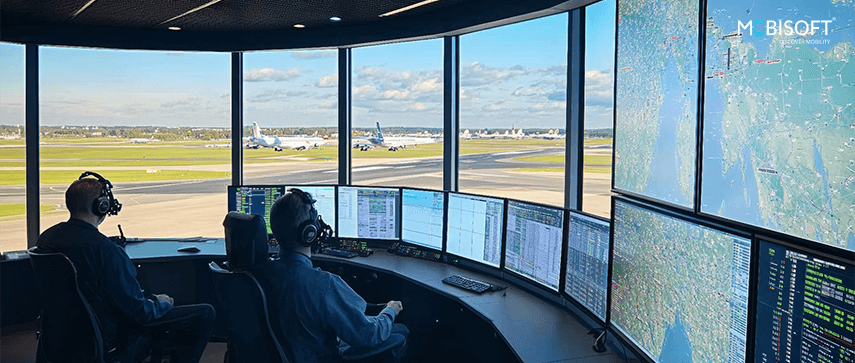
Airlines face critical issues in fleet coordination, staff assignments, security compliance, and maintaining service quality during peak operational demands.
1. Scheduling Complexity
-
Multiple time zone coordination: Managing crew transportation across different time zones leads to complex scheduling challenges. Teams must constantly convert and verify times to ensure accurate pickup and drop-off schedules.
-
Irregular flight schedules: Last-minute flight changes create ripple effects in transportation planning. Schedulers must quickly reorganize multiple vehicle assignments while maintaining service quality.
-
Last-minute crew changes: Sudden crew substitutions require immediate transportation plan modifications. This often leads to resource reallocation and potential disruption of existing schedules.
-
Weather-related disruptions: Severe weather conditions force sudden changes to both flight and ground transportation plans. Alternative routes and contingency plans must be rapidly implemented.
-
Maintenance delays: Unexpected aircraft maintenance issues create uncertainty in crew transportation timing. Transportation schedules must remain flexible to accommodate extended or shortened maintenance periods.
-
Holiday season surge: Peak travel periods create additional pressure on transportation resources. Managing increased crew movements while maintaining service standards becomes particularly challenging.
2. Communication Gaps
-
Delayed information updates: Critical schedule changes often fail to reach all stakeholders in time. This leads to confusion and potential service disruptions in crew transportation.
-
Multiple communication channels: Using various platforms for updates creates information inconsistency. Messages can be missed or misinterpreted across different communication systems.
-
Language barriers: International crew members may face difficulties with local transportation coordination. Clear communication becomes crucial for ensuring accurate pickup and drop-off instructions.
-
Time zone differences: Communication across time zones can lead to missed updates and confusion. Real-time information sharing becomes more complex with global operations.
-
Emergency notification challenges: Urgent updates may not reach all relevant parties quickly enough. This can result in delayed responses to critical situations.
-
Status update limitations: Traditional systems lack real-time tracking and update capabilities. This creates uncertainty about vehicle locations and estimated arrival times.
3. Resource Inefficiency
-
Underutilized vehicles: Poor scheduling leads to vehicles sitting idle during off-peak times. This results in unnecessary operational costs and reduced fleet efficiency.
-
Suboptimal route planning: Manual route selection often fails to account for real-time traffic conditions. This leads to longer travel times and increased fuel consumption.
-
Driver availability mismatches: Scheduling conflicts between driver shifts and crew transportation needs create service gaps. This can result in delayed pickups or the need for last-minute driver reassignments.
-
Peak hour resource shortages: High demand periods strain available transportation resources. This often leads to service delays and decreased customer satisfaction.
-
Off-peak excess capacity: Maintaining standby vehicles during quiet periods increases operational costs. This results in inefficient resource allocation and reduced profitability.
-
Maintenance scheduling conflicts: Poorly timed vehicle maintenance can impact service availability. This creates challenges in maintaining consistent service levels while keeping the fleet in good condition.
4. Sudden Schedule Disruptions
-
Flight delays impact: Flight delays create a cascade of transportation rescheduling needs across multiple crew members. Aircrew Transportation providers must rapidly adjust pickup times and reallocate resources while maintaining service for other scheduled operations.
-
Weather-related changes: Severe weather conditions force immediate modification of transportation routes and schedules. Alternative routes must be quickly identified and implemented, often with limited visibility into road conditions.
-
Technical issues management: Aircraft technical problems lead to uncertain ground time and crew schedule changes. Transportation logistics providers must maintain flexible resources to accommodate undefined delay periods while ensuring crew comfort.
-
Crew illness scenarios: Sudden crew member unavailability requires immediate transportation plan adjustments. Last-minute replacements need rapid transportation arrangements, often from different locations than originally planned.
-
Airport security delays: Enhanced security measures can cause unexpected delays in crew movement through terminals. Crew Transportation schedules must build in buffer time while maintaining efficiency for time-critical operations.
-
Traffic disruptions: Unexpected road closures or accidents require immediate route replanning. Dispatchers must identify and communicate alternative routes while maintaining estimated arrival times.
5. Safety and Security Concerns
-
Limited real-time tracking: Traditional systems provide inadequate visibility of vehicle and crew locations during transit. This creates challenges in ensuring crew safety and responding to potential incidents promptly.
-
Emergency response coordination: Without integrated communication systems, coordinating responses to vehicle breakdowns or accidents becomes complex. Multiple parties must be contacted through different channels, potentially delaying critical assistance.
-
Driver verification processes: Manual driver authentication and assignment systems create security vulnerabilities. This increases the risk of unauthorized personnel accessing secure areas or handling crew transportation.
-
Vehicle safety monitoring: Traditional methods lack comprehensive monitoring of vehicle maintenance status and safety compliance. This creates potential risks for crew safety and service reliability.
-
Night transportation security: Limited visibility into night-time operations poses additional security challenges. Extra precautions and resources are needed to ensure crew safety during overnight aircrew transportation.
-
Weather condition assessment: Difficulty in real-time weather impact evaluation affects transportation safety decisions. Dispatchers must rely on fragmented information sources to make critical safety-related routing choices.
Read More: https://mobisoftinfotech.com/resources/blog/ai-aircrew-transportation-future-crew-mobility

 English
 Arabic
 French
 Spanish
 Portuguese
 Deutsch
 Turkish
 Dutch
Dutch
 Italiano
 Russian
 Romaian
 Greek
Greek
