


 Pro Benefits
 О нас
О нас
 Условия использования
 Конфиденциальность
Why Automated Vehicle Monitoring Is Key to Meeting Security Compliance Standards
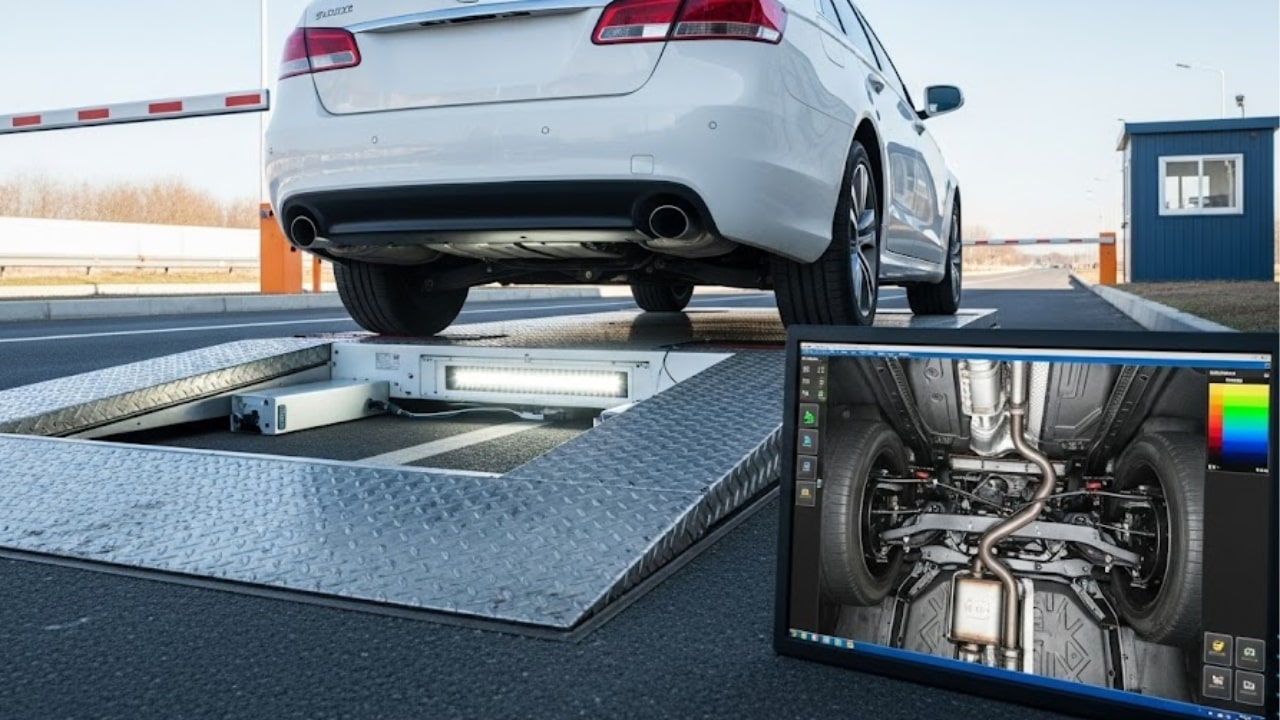
Maintaining security compliance is a critical challenge for organizations managing high-risk facilities such as government buildings, military installations, corporate campuses, airports, and critical infrastructure sites. Security compliance standards ensure that facilities follow strict protocols to protect personnel, assets, and sensitive operations. Traditional manual vehicle inspections, however, are increasingly insufficient to meet these rigorous requirements. Automated vehicle monitoring offers a reliable, efficient, and consistent approach, helping facilities achieve compliance while enhancing operational efficiency and threat detection.
The Challenges of Manual Vehicle Screening
Manual vehicle inspection has long been the default method for monitoring facility access. Security personnel perform visual checks, inspect undercarriages with mirrors, and sometimes use handheld scanners to identify potential threats. While this approach may catch obvious risks, it has significant limitations:
-
Human error: Fatigue, distraction, or inconsistent expertise can lead to overlooked threats.
-
Time constraints: Thorough inspections slow down traffic, creating bottlenecks at busy entry points.
-
Limited documentation: Manual processes often rely on notes or memory, which are not always accurate for audits or investigations.
-
Inefficient reporting: Compiling records manually is time-consuming and prone to gaps.
These limitations make it difficult for facilities to consistently meet compliance standards and maintain a secure environment.
How Automated Vehicle Monitoring Works
Automated vehicle monitoring leverages advanced technologies to scan and analyze vehicles entering a facility. Systems can include high-resolution cameras, undercarriage scanners, AI-driven threat detection, and centralized data management platforms. Together, these components provide:
-
Thorough inspections: Every vehicle is screened comprehensively, including areas that are hard to view manually.
-
Real-time alerts: Suspicious objects or modifications are flagged immediately for security personnel to investigate.
-
Accurate records: Every scan generates detailed logs, images, and timestamps for audits and regulatory compliance.
-
Operational efficiency: Vehicles move through entry points quickly without compromising security.
Technologies like UVIS (Under Vehicle Inspection Systems) are particularly effective, offering precise undercarriage analysis to detect hidden threats and ensure no area is overlooked.
Enhancing Security Compliance Through Automation
Automated vehicle monitoring strengthens security compliance in several critical ways:
-
Consistent Inspections: Automation eliminates variability between different personnel or shifts, ensuring that every vehicle is screened to the same high standard.
-
Audit-Ready Documentation: Detailed records of inspections, including images and timestamps, provide clear evidence that compliance protocols are being followed.
-
Regulatory Alignment: Automated monitoring can be configured to meet local, national, or industry-specific security standards, helping organizations stay compliant.
-
Incident Tracking: In the event of a security breach, automated logs enable quick investigation and analysis, which supports both internal reviews and external audits.
By ensuring consistency, accuracy, and traceability, automated vehicle monitoring reduces risk and reinforces trust in security protocols.
Improving Efficiency While Maintaining Compliance
One of the primary advantages of automation is that it allows facilities to maintain rigorous compliance without disrupting daily operations. Vehicles can be scanned and analyzed quickly, reducing wait times for authorized personnel while still thoroughly screening for potential threats. Security teams can focus on high-priority tasks rather than repetitive inspections, improving overall operational efficiency.
Automated systems also allow facilities to scale security measures as traffic volume increases. Whether handling dozens or thousands of vehicles per day, automation ensures compliance standards are maintained without additional staff or manual workload.
Integration with Broader Security Infrastructure
Automated vehicle monitoring does not operate in isolation. It can be integrated with other security systems to create a holistic approach:
-
License Plate Recognition (LPR): Tracks authorized vehicles automatically.
-
Access Control Systems: Ensures only verified personnel gain entry.
-
Surveillance Cameras: Provides full visual coverage and cross-referenced data.
-
Alarm and Alert Systems: Instantly notifies personnel of suspicious activity.
This integration enhances situational awareness, streamlines reporting, and further supports compliance objectives by providing a unified, auditable security ecosystem.
Conclusion
In high-risk environments, relying solely on manual vehicle inspections is no longer sufficient to meet modern security compliance standards. Automated vehicle monitoring offers a more effective solution, delivering consistent inspections, real-time alerts, and detailed audit-ready documentation. By incorporating technologies such as UVIS, facilities can ensure comprehensive threat detection while maintaining operational efficiency.
Automated systems not only simplify compliance but also reinforce security protocols, reduce human error, and provide actionable intelligence for security teams. For organizations committed to maintaining the highest standards of safety and regulatory adherence, automated vehicle monitoring has become an essential tool in modern security management.

 English
 Arabic
 French
 Spanish
 Portuguese
 Deutsch
 Turkish
 Dutch
Dutch
 Italiano
 Romaian
 Portuguese (Brazil)
 Greek
Greek
