


 Pro Benefits
 О нас
О нас
 Условия использования
 Конфиденциальность
How Can AI Drive Business Growth Through Smarter Data Analysis?
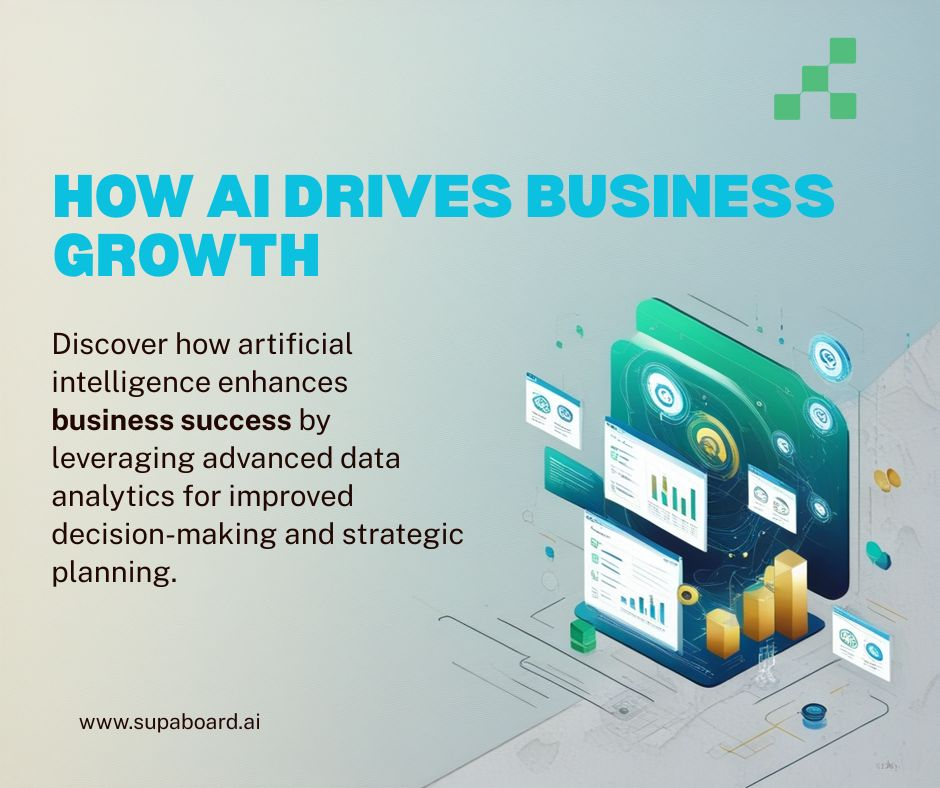
In today’s digital world, data is everywhere. Every click, purchase, message, and search creates information. But data alone does not create growth. The real value comes from understanding that data and using it to make better decisions. This is where AI in data analysis is changing the game.
Businesses no longer rely only on spreadsheets and manual reports. Artificial intelligence helps companies analyze large amounts of data faster, find hidden patterns, and predict future trends. As a result, businesses can grow smarter, faster, and more confidently.
In this blog, we’ll explore how AI supports business growth, what it means for professionals, and why the role of data analysts is evolving—not disappearing.
Understanding AI in Data Analysis (In Simple Terms)
AI in data analysis means using machines and algorithms to process data, identify patterns, and generate insights automatically. Instead of humans checking thousands of rows of data, AI tools can do this work in minutes.
What AI Can Do with Data
-
Clean and organize raw data
-
Detect trends and patterns
-
Predict future outcomes
-
Identify risks and opportunities
-
Generate easy-to-understand reports
This does not remove humans from the process. Instead, it helps them focus on smarter decision-making.
How AI Helps Businesses Make Better Decisions
Good decisions depend on accurate and timely information. AI improves both.
Faster Insights
AI processes huge datasets in real time. This means businesses don’t have to wait days or weeks for reports.
Better Accuracy
AI reduces human errors in calculations and data handling, leading to more reliable insights.
Predictive Power
AI can forecast:
-
Customer demand
-
Sales trends
-
Market behavior
-
Potential risks
This predictive ability helps businesses plan ahead instead of reacting late.
Smarter Customer Understanding with AI
Understanding customers is key to growth. AI helps businesses analyze customer behavior in detail.
How AI Improves Customer Insights
-
Tracks buying patterns
-
Identifies customer preferences
-
Predicts churn (when customers may leave)
-
Suggests personalized offers
With AI-driven insights, companies can deliver better products, services, and experiences.
Automation in Data Analytics: Saving Time and Cost
One major advantage of AI is automation in data analytics. Repetitive and time-consuming tasks can now be handled automatically.
Tasks AI Can Automate
-
Data collection
-
Data cleaning
-
Report generation
-
Dashboard updates
This saves time, reduces costs, and allows teams to focus on strategy rather than manual work.
How AI Supports Business Growth Across Industries
AI-driven data analysis is not limited to tech companies. Almost every industry benefits.
Retail
-
Demand forecasting
-
Inventory optimization
-
Personalized shopping experiences
Healthcare
-
Patient data analysis
-
Disease prediction
-
Operational efficiency
Finance
-
Fraud detection
-
Risk assessment
-
Investment analysis
Marketing
-
Campaign performance tracking
-
Audience segmentation
-
ROI optimization
In every case, smarter data analysis leads to better decisions and faster growth.
The Role of Data Analysts in the Age of AI
Many people worry that AI will replace jobs. In reality, the role of professionals is changing, not disappearing.
How the Role Is Evolving
-
Less time spent on manual data work
-
More focus on interpretation and strategy
-
Greater involvement in business decision-making
AI handles the “how,” while humans focus on the “why” and “what next.”
Read more: Will Data Analysts Be Replaced by AI? The Truth Behind the Fear
Data Analysts AI: Humans and Machines Working Together
The relationship between data analysts AI is best described as collaboration. AI tools support analysts by providing insights quickly, but humans bring context, creativity, and critical thinking.
What Humans Still Do Best
-
Ask the right business questions
-
Understand real-world context
-
Communicate insights clearly
-
Make ethical and strategic decisions
AI enhances human capability—it does not replace it.
Impact of AI on Jobs: Reality vs Fear
The impact of AI on jobs is a common concern. While some tasks may disappear, new opportunities are emerging.
What’s Changing
-
Routine tasks are automated
-
New roles are being created
-
Skill requirements are shifting
New Opportunities
-
AI-assisted analyst roles
-
Data strategy and governance
-
Business intelligence consulting
Those who adapt and learn new skills will remain highly valuable.
Skills Data Analysts Need in the AI Era
To stay relevant, professionals must evolve with technology.
Key Skills for the Future
-
Basic understanding of AI and machine learning
-
Data storytelling and visualization
-
Business and domain knowledge
-
Critical thinking and problem-solving
The future of data analysts belongs to those who combine technical knowledge with business insight.
AI as a Growth Partner, Not a Threat
AI should be seen as a support system. It helps businesses grow by making data easier to understand and use.
Why AI Is a Support System
-
Reduces workload
-
Improves decision speed
-
Enhances accuracy
-
Enables scalability
When used correctly, AI empowers teams instead of replacing them.
Challenges of Using AI in Data Analysis
While AI offers many benefits, it also comes with challenges.
Common Challenges
-
Data privacy concerns
-
Bias in algorithms
-
Need for quality data
-
Skill gaps in teams
Businesses must use AI responsibly and invest in proper training and governance.
How Small Businesses Can Benefit from AI
AI is no longer only for large enterprises. Many tools are affordable and accessible for small businesses.
Benefits for Small Businesses
-
Better sales forecasting
-
Smarter marketing decisions
-
Improved customer insights
-
Reduced operational costs
AI helps small businesses compete with larger players by using data effectively.
The Future of Data Analytics Is Human + AI
The future is not about choosing between humans and machines. It’s about combining strengths.
What the Future Looks Like
-
AI handles speed and scale
-
Humans handle judgment and creativity
-
Decisions become more informed and confident
This balanced approach will drive sustainable business growth.
Conclusion
AI is transforming how businesses understand and use data. By automating repetitive tasks, improving accuracy, and delivering real-time insights, AI enables smarter and faster decision-making. Instead of replacing professionals, it reshapes roles and opens new opportunities. The collaboration between data analysts AI creates a powerful combination where machines handle speed and scale, while humans provide context and strategy. The future of data analysts is strong, adaptive, and more business-focused than ever. As organizations continue adopting AI-driven tools, platforms like supaboard.ai represent how modern data analysis is becoming more accessible and insight-driven. Businesses that embrace this human-plus-AI approach will be better prepared to grow, compete, and succeed in a data-powered world.
FAQs:
Will AI replace data analysts in the future?
No. AI will change how analysts work, not replace them. Human insight and decision-making remain essential.
Is automation in data analytics eliminating jobs?
Automation removes repetitive tasks but creates new roles focused on strategy, interpretation, and AI management.
What skills do data analysts need in the AI era?
They need AI basics, data visualization, business understanding, and strong communication skills.
How does AI in data analysis improve decision-making?
AI provides faster, more accurate insights and predictive analysis, helping businesses make informed decisions.
Is AI a threat or a support system for data analysts?
AI is a support system that enhances productivity and allows analysts to focus on higher-value work.
What industries benefit most from AI-driven data analysis?
Retail, healthcare, finance, marketing, and manufacturing all see strong benefits from AI-powered insights.

 English
 Arabic
 French
 Spanish
 Portuguese
 Deutsch
 Turkish
 Dutch
Dutch
 Italiano
 Romaian
 Portuguese (Brazil)
 Greek
Greek
