


 Pro Benefits
 About
About
 Termeni
 Confidențialitate
Heron Welder: Advanced Welding Solutions for Modern Manufacturing
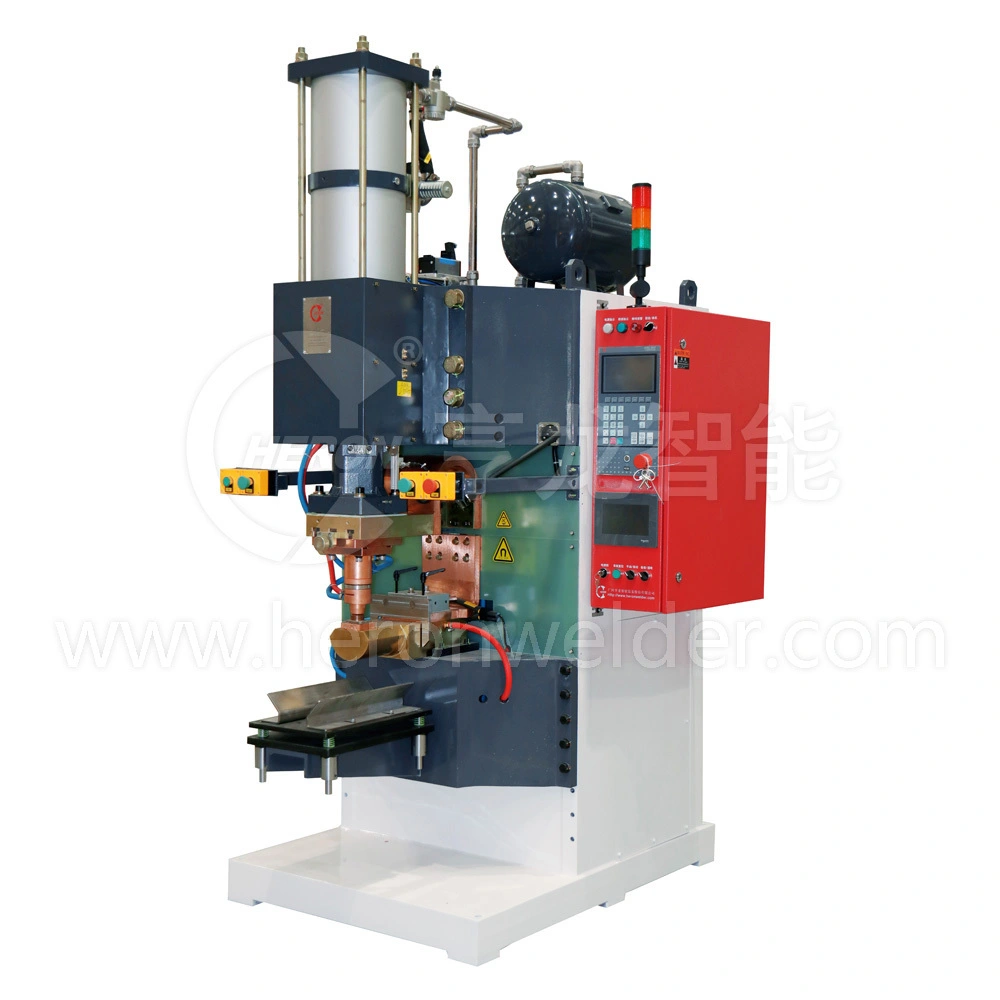
In today’s fast-paced manufacturing environment, precision, efficiency, and reliability are non-negotiable. Industrial manufacturers, OEMs, and automation integrators are constantly seeking advanced metal-joining solutions that can deliver consistent quality while optimizing production throughput. Heron Welder has emerged as a global leader in this space, offering cutting-edge resistance welding machines, clinching systems, self-pierce riveting solutions, and fully automated welding production lines designed to meet the evolving demands of modern factories.
In this guide, we will explore the principles, applications, advantages, and best practices of Heron welders, helping decision-makers understand why partnering with Heron can elevate their manufacturing operations.
What Is a Heron Welder?
A Heron Welder is a high-precision industrial welding system designed for metal-joining applications across automotive, aerospace, electronics, and heavy machinery industries. Heron specializes in multiple resistance welding technologies, including:
-
Spot Welding: Joining two overlapping metal sheets by applying localized pressure and electric current.
-
Projection Welding: Uses embossed projections on metal surfaces to focus welding energy and achieve strong joints.
-
Seam Welding: Continuous welds along sheet metal seams for leak-proof and structurally sound assemblies.
-
MFDC Welding: Medium-Frequency Direct Current welding offers precise energy control for thin or coated metals.
-
Capacitor Discharge Welding: Ideal for high-speed, low-heat welding of small parts.
In addition to resistance welding, Heron provides clinching systems, self-pierce riveting (FSPR) machines, and automated welding production lines, giving manufacturers a comprehensive portfolio of metal-joining solutions.
How Heron Welders Work: Principles and Technology
Heron welders rely on controlled electrical resistance heating to join metal parts. When a current passes through the contact points between metals, the resistance generates heat, melting the materials locally. Simultaneously, precise mechanical pressure ensures the formation of strong, uniform welds.
Key Features of Heron Welders:
-
Advanced Controllers: Integrated PLC and touchscreen interfaces allow precise control of current, voltage, pressure, and welding time.
-
Customizable Welding Guns: Ergonomic, high-duty-cycle guns designed for spot, seam, or projection welding.
-
Automation Integration: Seamless compatibility with robotic arms and assembly lines for high-volume production.
-
Energy Efficiency: MFDC and capacitor discharge technologies reduce energy consumption and improve cycle times.
These technical advantages make Heron welders particularly suited for applications requiring consistent weld quality, repeatability, and minimal rework.
Applications of Heron Welding Systems
Heron welding machines serve a wide range of industries and metal-joining applications:
-
Automotive Manufacturing: Spot welding of car body panels, projection welding for structural components, and FSPR for aluminum and coated metals.
-
Electronics & Appliances: Compact capacitor discharge systems for terminals, connectors, and battery assemblies.
-
Heavy Machinery & Aerospace: Seam welding and projection welding for large panels, pipes, and aerospace components.
-
Metal Fabrication: Automated welding lines for enclosures, HVAC systems, and industrial assemblies.
By providing diverse solutions, Heron ensures manufacturers can adopt the right welding method for each material, thickness, and production requirement.
Heron Welders vs. Conventional Welding
Compared to traditional arc or gas welding, Heron resistance welding machines offer several advantages:
| Feature | Heron Welders | Conventional Welding |
|---|---|---|
| Precision | High, consistent welds | Dependent on operator skill |
| Speed | High-speed cycles | Slower manual or semi-automatic processes |
| Material Handling | Can weld coated, thin, or dissimilar metals | May require pre-treatment or fillers |
| Automation | Fully compatible with robotic systems | Often requires manual intervention |
| Energy Efficiency | MFDC and capacitor discharge reduce power usage | Less efficient, higher heat input |
This makes Heron welders ideal for high-volume production environments where quality, efficiency, and repeatability are essential.
Best Practices for Using Heron Welders
-
Material Preparation: Ensure surfaces are clean and free from oxidation or contaminants for optimal weld integrity.
-
Proper Parameter Settings: Adjust current, pressure, and welding time according to material type and thickness.
-
Regular Maintenance: Schedule electrode dressing, inspection, and calibration to maintain consistent performance.
-
Operator Training: Equip staff with training in controller programming and robotic integration to fully leverage automated features.
-
Integration Planning: Evaluate workflow and line layout to maximize throughput while minimizing energy consumption.
Following these best practices can extend equipment life, reduce downtime, and improve weld quality.
Frequently Asked Questions (FAQs)
Q1: Can Heron welders join dissimilar metals?
Yes, Heron MFDC and capacitor discharge welding machines are designed to handle coated and dissimilar metals with minimal defects.
Q2: Are Heron welders suitable for robotic automation?
Absolutely. Heron welding systems are fully compatible with robotic arms and automated production lines, making them ideal for high-volume operations.
Q3: What industries commonly use Heron welders?
Automotive, aerospace, electronics, metal fabrication, and appliance manufacturing are the primary industries leveraging Heron solutions.
Q4: How does Heron ensure energy efficiency?
Through MFDC technology and precise control of current and cycle time, Heron reduces energy consumption without compromising weld quality.
Q5: Can Heron provide customized welding solutions?
Yes, Heron specializes in tailored welding systems, from customized guns and controllers to fully automated production lines, based on client requirements.
Why Choose Heron Welders
With decades of expertise, Heron combines technological innovation, engineering excellence, and a deep understanding of industrial production needs. By choosing Heron welders, manufacturers gain:
-
Reliable, high-quality welds across diverse materials
-
Advanced automation integration for higher throughput
-
Energy-efficient solutions for cost savings
-
Customizable equipment to fit specific production lines
Get Started with Heron Welding Solutions
Whether you are upgrading an existing welding line, automating assembly processes, or exploring advanced metal-joining methods, Heron Welder offers the expertise and equipment to deliver results.
Contact Heron today to request a quote or consult with their engineering team for a customized welding and automation solution tailored to your manufacturing needs.

 English
 Arabic
 French
 Spanish
 Portuguese
 Deutsch
 Turkish
 Dutch
Dutch
 Italiano
 Russian
 Portuguese (Brazil)
 Greek
Greek
