


 Pro Benefits
 Über
Über
 Bedingungen
 Datenschutz
 Child Safety & Protection
 Benachrichtigungen
 Ayrush Global It Services Pvt Ltd
Custom Transportation Management System for Scalable & Secure Logistics
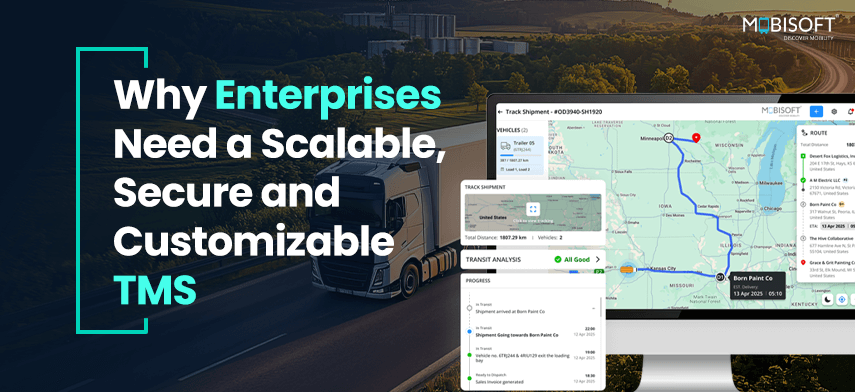
In the bustling theater of enterprise operations, certain roles are always in the spotlight: innovation, sales, customer experience. But behind the scenes, ensuring the entire show runs smoothly, is an often unsung hero: logistics and transportation.
For global manufacturers orchestrating complex supply chains, multi-brand consumer goods companies juggling vast inventories, or diversified conglomerates with operations spanning continents, the movement of goods is not merely a task, it's the very heartbeat of their commercial existence.
However, for too many, this hero is hobbled by outdated tools. Imagine trying to conduct a global orchestra with a broken baton and sheet music scribbled on napkins. This is the reality for enterprises still navigating their vast transport networks with legacy ERP modules, isolated spreadsheets, and a patchwork of regional solutions.
The result? A symphony of discord: unforeseen delays, ballooning costs, a frustrating lack of real-time insights, and an alarming inability to adapt to the world's rapid rhythm. Your business cannot move forward if its fundamental movement mechanism is in the past. It's time to empower this unsung hero with the technology it deserves.
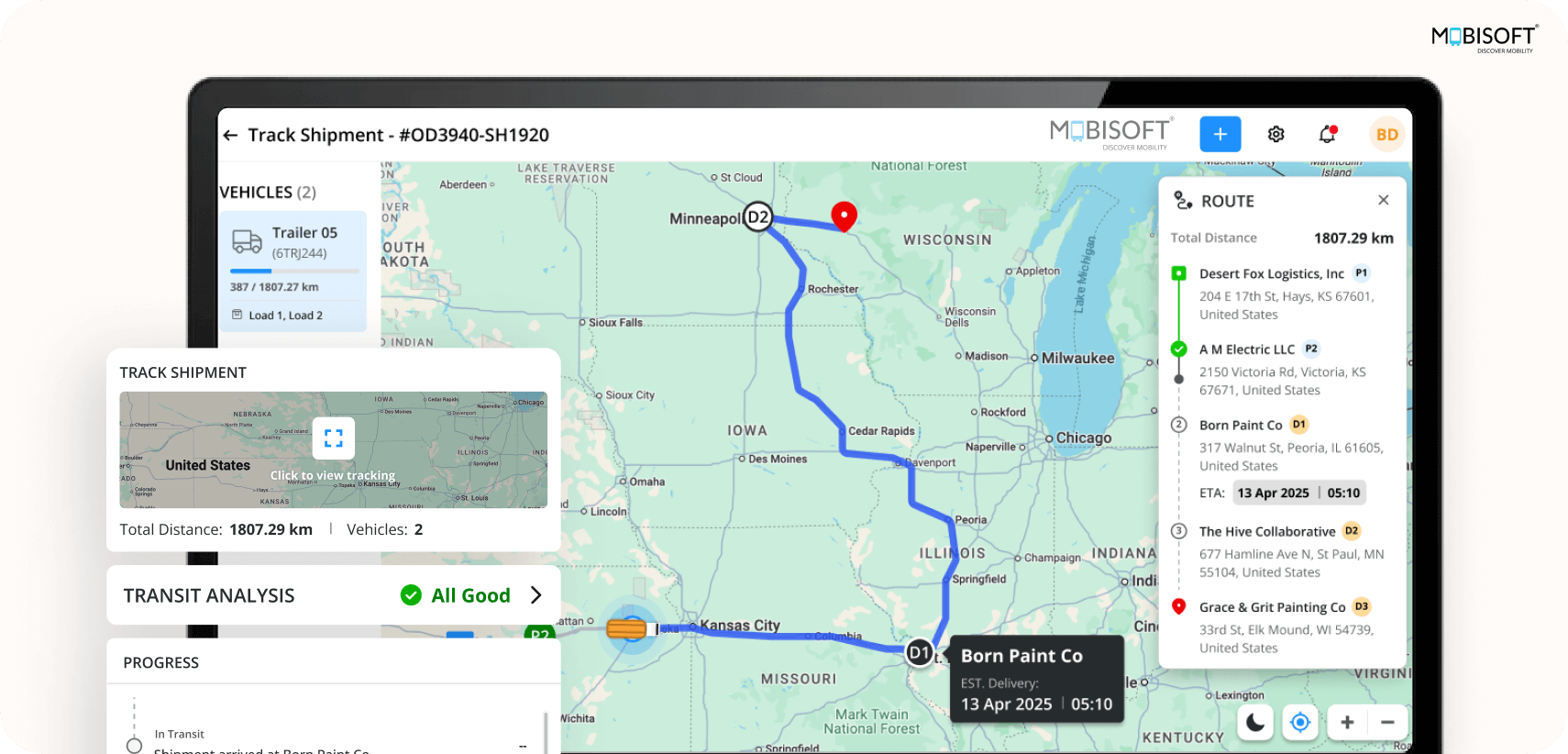
We will unveil how a modern Transportation Management System (TMS) can equip your logistics operations with unparalleled precision, visibility, and agility, turning them from a hidden struggle into your most powerful strategic performer.
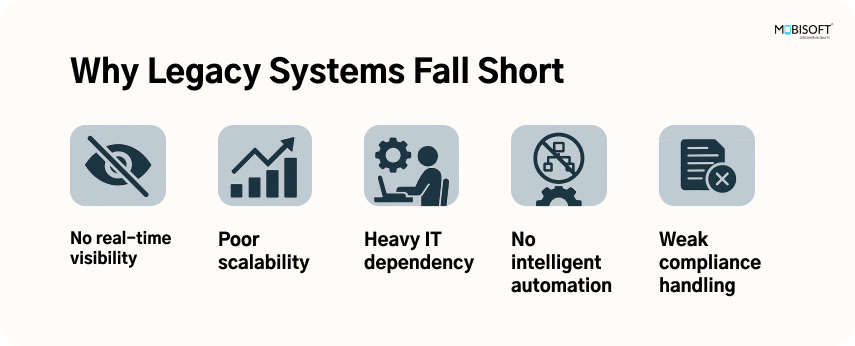
Why Legacy Systems Fall Short
Many enterprises still use outdated ERP modules or spreadsheets to manage transportation. These tools struggle with growing logistics needs and complex business structures. As supply chains evolve, legacy systems become a bottleneck instead of a solution.
Here’s what makes legacy systems ineffective:
- No Real-Time Visibility: You can’t track shipments live. Teams get updates only after issues occur, leading to poor service and missed delivery timelines. Delays in information sharing can escalate into penalties, customer complaints, and broken service-level agreements.
To bridge this gap, integrating a robust Delivery Management Software Solution can offer real-time tracking, route optimization, and improved customer communication, addressing the visibility challenges posed by legacy systems. - Poor Scalability: Each region or business unit often uses different tools. That creates data silos and inconsistent reporting. As a result, decision-makers lack a unified view of transportation activities and struggle to implement centralized strategies.
- Heavy IT Dependency: You need IT teams or vendors for simple updates like editing workflows or adding new rate cards. This slows down your response to change. Operational leaders are left waiting for technical support rather than taking quick action.
- No Intelligent Automation: Manual routing, costing, and exception handling take too much time. Errors increase, and productivity drops. Human dependency on repetitive tasks makes it difficult to scale during demand spikes or manage seasonal volumes.
- Weak Compliance Handling: You can't track document versions or enforce policies uniformly. It becomes difficult to meet global audit and compliance requirements. Gaps in documentation and reporting leave enterprises vulnerable to penalties and legal risks.
In essence, legacy systems were not built for today’s fast-changing logistics environment. As enterprise transportation grows in complexity, these old tools fall short in agility, accuracy, and control.
READ MORE: A New-Age TMS for Enterprise-Grade Needs
 Deutsch
 English
 Arabic
 French
 Spanish
 Portuguese
 Turkish
 Dutch
Dutch
 Italiano
 Russian
 Romaian
 Portuguese (Brazil)
 Greek
Greek
