


 Pro Benefits
 Σχετικά
 Όρους
Όρους
 Ιδιωτικότητα
Handheld Metal Laser Welding for Precision Fabrication and Modern Manufacturing
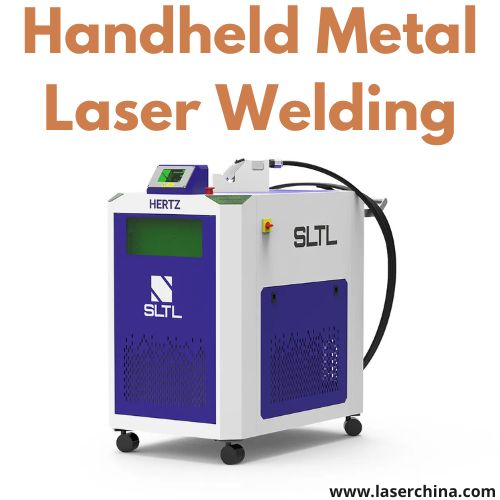
Handheld metal laser welding has become a defining process in modern fabrication environments where precision, control, and visual weld quality matter as much as productivity. This welding approach represents a shift from fixed, bulky systems toward flexible, operator-driven solutions that adapt easily to different workpieces, job sizes, and production settings. From custom metal workshops to large-scale industrial assembly lines, handheld metal laser welding continues to reshape how metals are joined with accuracy and consistency.
At its core, handheld metal laser welding uses a focused laser beam delivered through a compact, hand-operated welding gun. The operator guides the laser directly along the joint, allowing real-time control over weld paths, angles, and seam geometry. This direct interaction with the weld zone introduces a new level of craftsmanship combined with modern laser technology, bridging the gap between traditional welding skills and advanced manufacturing processes.
The process is widely applied across industries that work with stainless steel, carbon steel, aluminum, galvanized materials, and various metal alloys. In architectural metalwork, handheld metal laser welding is used to create clean seams on visible structures such as railings, frames, and decorative panels. In manufacturing plants, it supports assembly tasks that require both strength and appearance, especially where post-weld finishing needs to be minimized.
One of the most noticeable aspects of handheld metal laser welding is the visual quality of the weld seam. The laser produces a narrow, controlled molten pool that results in smooth, uniform joints. This characteristic makes the method suitable for products where surface finish is important, such as kitchen equipment, medical device housings, metal furniture, and consumer electronics enclosures. The refined appearance often aligns well with premium product positioning and high-end branding requirements.
Handheld metal laser welding is also valued for its adaptability to different working environments. Unlike fixed robotic systems that require dedicated space and programming, handheld systems can be moved directly to the workpiece. This mobility is particularly useful for repair tasks, on-site fabrication, and low-to-medium volume production where flexibility is a priority. Operators can weld complex shapes, curved surfaces, and tight corners that are difficult to reach with stationary equipment.
In production planning, handheld metal laser welding supports streamlined workflows. Components can be tack-welded, fully welded, or repaired without relocating parts between multiple stations. This consolidation of processes helps maintain production rhythm and supports consistent output quality. Many workshops integrate handheld metal laser welding into existing layouts without extensive restructuring, making it an attractive option for evolving manufacturing operations.
The learning curve associated with handheld metal laser welding has contributed to its growing adoption. Operators familiar with conventional welding methods often find the transition intuitive, as the handheld format preserves manual control and visual feedback. Training typically focuses on understanding laser interaction with different metals, adjusting parameters for joint thickness, and maintaining steady motion during welding. Over time, skilled operators develop a refined technique that delivers repeatable results.
Safety and workspace organization are integral considerations when implementing handheld metal laser welding. Proper shielding, protective eyewear, and controlled work areas ensure that operators and nearby personnel remain protected during operation. Many facilities establish dedicated laser welding zones that combine safety compliance with efficient workflow design. This structured approach allows handheld metal laser welding to coexist smoothly with other fabrication processes.
In terms of material interaction, handheld metal laser welding offers consistent performance across a range of metal thicknesses. Thin sheets can be joined with precise energy control, while thicker sections benefit from deep penetration and stable seam formation. This versatility supports diverse product lines within a single facility, reducing the need for multiple welding technologies. Manufacturers often highlight this adaptability when positioning their production capabilities to clients and partners.
Handheld metal laser welding also plays a significant role in prototyping and custom fabrication. Designers and engineers can quickly modify joints, test assembly concepts, and refine product designs without long setup times. This responsiveness supports innovation cycles and enables faster transition from concept to finished product. In competitive markets, the ability to iterate efficiently can be a decisive factor in project success.
From a branding and marketing perspective, handheld metal laser welding aligns with modern manufacturing narratives focused on precision, cleanliness, and technological advancement. Companies that adopt this method often emphasize their commitment to high-quality craftsmanship combined with advanced equipment. This messaging resonates with customers who value durability, aesthetics, and manufacturing transparency.
The integration of handheld metal laser welding into repair and maintenance operations has also expanded its relevance. Worn components, damaged seams, and cracked joints can be restored with controlled heat input and minimal distortion. This capability extends the service life of metal parts and supports maintenance strategies in industrial plants, transportation equipment, and heavy machinery applications.
In global manufacturing trends, handheld metal laser welding reflects a broader move toward flexible automation and operator-empowered technology. Rather than replacing skilled workers, it enhances their capabilities by providing tools that amplify precision and consistency. This balance between human expertise and advanced equipment contributes to stable production quality and workforce satisfaction.
As industries continue to demand cleaner joints, tighter tolerances, and adaptable production methods, handheld metal laser welding remains positioned as a practical and forward-looking solution. Its presence in workshops and factories worldwide underscores its role as a modern standard for metal joining tasks that require both performance and presentation.
By combining mobility, precision control, and refined weld appearance, handheld metal laser welding continues to influence how manufacturers approach fabrication, assembly, and repair. Its growing adoption signals confidence in a process that supports evolving production needs while maintaining a strong focus on quality and craftsmanship.

 English
 Arabic
 French
 Spanish
 Portuguese
 Deutsch
 Turkish
 Dutch
Dutch
 Italiano
 Russian
 Romaian
 Portuguese (Brazil)
