


 Pro Benefits
 Environ
 Conditions générale de vente
 Confidentialité
 Child Safety & Protection
 Notifications
 Ayrush Global It Services Pvt Ltd
Employee Transport Software: Optimizing Corporate Commute Efficiency and Safety
Why Should You Say Yes to Employee Transport Management System?

Imagine a company filled with employees who are free from all the worries related to security and inconvenience during their office commute! This has become possible now, thanks to the Employee Transportation Management System.
In metro cities, plenty of office goers work in dynamic shifts, meet clients, and project deadlines. Most of them waste a significant amount of time in finding public transport or waiting for their pickups during office commute. Standing in queues for a long time or having no clue of the arrival of pickups leads to their anxiety and worries. As the employees are the most important for every company to drive its growth, they should be worry-free during their office time. Only then their productivity will be improved.
Nowadays, some companies have understood the importance of their employees. Therefore they have started relying on Employee Transport Management Solution. Why?
Before answering this question, let's have a look at how people around the world commute for work and what sort of problems they are facing.
The Work Commute Scenario of People Around The World
There are various modes of commute popular among employees around the world, such as
- Bus
- Train
- Auto rickshaw
- Cab
- Metrorail
- Ferry
- Personal vehicles
Even though flexible work schedules and work from home have been introduced in many companies to fix the commuting issues, the average commute time for the people work around the world has only increased in the last few years, thanks to the traffic congestion in most parts of the world.
According to research, which includes data on 1,360 cities in 38 countries, congestion is a global phenomenon. Drivers spent an average of 9% of their travel time driving at the speed of just 14.4 kph (8.9 mph) due to traffic congestion on the road, as found in the research.
Whether a person is driving a car or sitting in the passenger seat, traffic congestion affects that person, increasing his or her commute time.
In the US, one of the most developed countries in the world, one-way commute time is 26.1 minutes, and Indians spend 7% of their day to reach their offices.
Commute time is such a big issue that Europe rules workers must be compensated for their travel time to the office.
Commuting Crisis
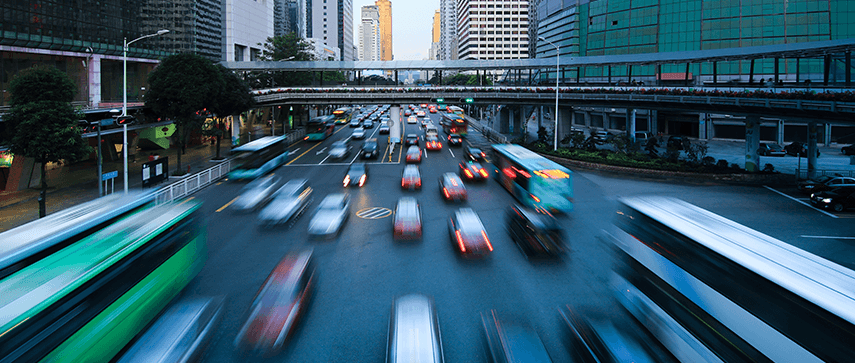
Commuting is not just the worst part of the day, and it also affects the health of employees.
Following are some ramifications of a long commute:
- A long commute increases neck and back pain incidents
- Even a 10 miles long commute can increase the blood pressure of your employees
- Daily commutes of around 15 miles can make employees less physically active and prone to have obesity and unhealthy waist size
- A long commute is linked with a higher level of subjective health complaints
- A long commute increases exposure to harmful air pollution
Commute not only affects employees but also hampers your business. Here are some common consequences of long commutes:
1 Missed Workdays
It is proven in many studies that long commute hurts employees' health. So some of your employees may take sudden leaves owing to their ill-health due to the long commute. This can cause delayed project delivery.
2 Difficulty in Hiring
49% of employees want to work near homes, states a survey conducted by Clutch. It means you may face difficulty in hiring those good employees who need to commute long to reach your office.
3 High Attrition Rates
According to the Robert Half Survey, nearly one-quarter of workers left their jobs because of a bad commute. So if your employees are commuting long to reach the office, it can increase attrition rates in your organization.
4 Increased Error Rates
It is evident that employees are less likely to be focused after a long commute. So spending a long time to reach the office can increase the error rates of your employees.
5 Less Productivity
Long commutes cause stress in employees. And stressed employees cannot give their 100% to the tasks they are assigned to. What's more, absenteeism due to ill-health caused by long commutes can also reduce employees' productivity.
6 Revenue Loss
Long commutes cause ill-health, meaning employees will take more leaves. Even if they don't take leaves, long commutes can make them less productive. Consequently, there will be less work done.
So long commutes can eventually be the reason for revenue loss in your organization.
Commuting Opportunities
To say goodbye to these commuting crisis, advancement in transportation technologies have changed the way people go to work and come back home every day. From introducing connected and autonomous vehicles to offering ridesharing services, transportation technology has helped in boosting the development of daily transit. Furthermore, Employee Transportation Solution (ETS) has also started resolving employee transport problems to a particular extent and come out as an important office commute platform.
Why is ETS considered as the essential office commute platform? The answer lies in its features and benefits. Let's talk about that.
Employee Transport Management System: An Outlook
The ecosystem of the corporate transportation system is improving, thanks to Employee Transport Management Solution. To bring safety and convenience for employees in their commute, make them feel valued, and encourage them to commit to the companies they work for, many companies are choosing employee transportation solutions.
Different companies offer different services through this system. But the most common feature that every company's employee transportation system has - a seamless and worry-free commute for employees.
Read More: https://mobisoftinfotech.com/resources/blog/employee-transport-management-system
 French
 English
 Arabic
 Spanish
 Portuguese
 Deutsch
 Turkish
 Dutch
Dutch
 Italiano
 Russian
 Romaian
 Portuguese (Brazil)
 Greek
Greek
