


 Pro Benefits
 Σχετικά
 Όρους
Όρους
 Ιδιωτικότητα
 Child Safety & Protection
 Ειδοποιήσεις
 Ayrush Global It Services Pvt Ltd
The Benefits of Tailored Women's Clothing for Different Body Types
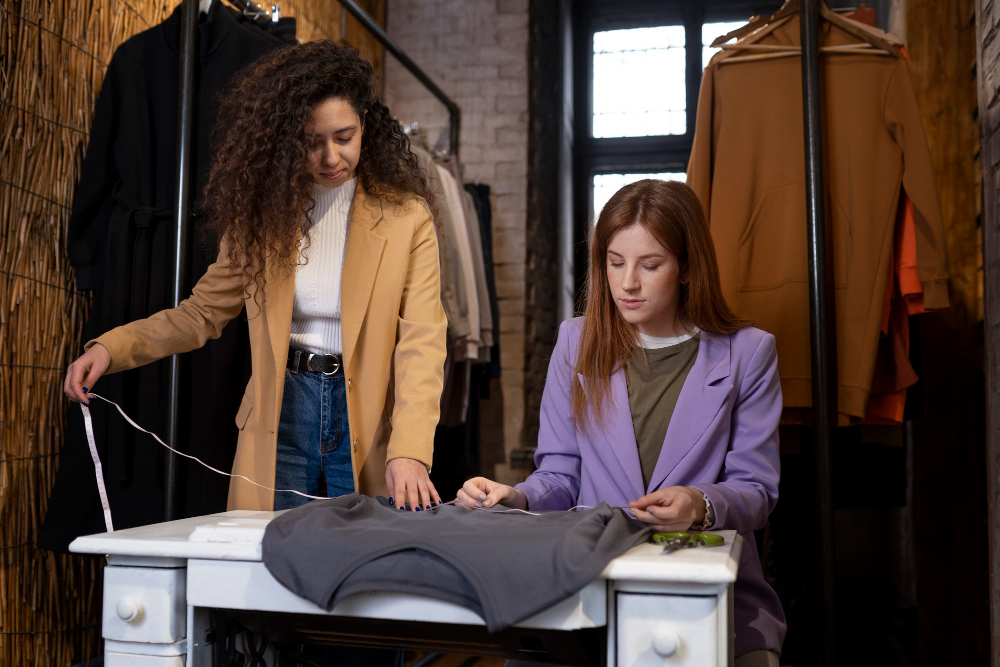
Clothing influences how women experience their everyday lives. Beyond appearance, fit affects comfort, posture, confidence, and freedom of movement. While standard sizing may work in limited situations, it is built on averages that rarely represent the full range of real body shapes. This gap is where tailored women's clothing becomes especially valuable, offering garments shaped around the individual rather than asking the body to adapt to the clothing.
Tailoring is not reserved for formal wear or special occasions. It is a practical approach that brings balance and intention to daily clothing. By focusing on personal measurements, proportions, and preferences, tailoring creates pieces that feel natural to wear. Understanding how this approach supports different body types explains why tailored clothing continues to remain relevant across changing fashion cycles.
Understanding Body Types and Common Fit Challenges
Body types are often grouped into general categories such as pear, apple, hourglass, rectangle, and inverted triangle. These classifications are not meant to limit style choices but to explain recurring fit concerns. Most ready made garments are created from a single base pattern that increases or decreases in size without changing shape. This method assumes proportions scale evenly, which rarely reflects reality.
For example, women with wider hips may find trousers tight across the seat but loose at the waist. Those with a fuller bust may notice shirts fitting well at the shoulders while pulling or gaping at the chest. These issues are not caused by body differences but by the limitations of standard patterns. Tailoring resolves these problems by adjusting garments to follow the actual lines of the body.
How Tailoring Supports Pear Shaped Bodies
Pear shaped bodies typically feature narrower shoulders and a fuller hip area. Standard garments often sit awkwardly, with skirts clinging at the hips and tops appearing oversized through the upper body. Tailoring helps create balance without drawing unnecessary focus to any one area.
A tailored skirt can be shaped to fall smoothly over the hips while sitting cleanly at the waist. Jackets and tops can be adjusted at the shoulders and bust to avoid excess fabric. These refinements bring visual harmony to the outfit, allowing the overall look to feel intentional and well proportioned.
Advantages for Apple Shaped Bodies
Apple shaped bodies often carry more volume through the midsection, with slimmer arms and legs. Off the rack clothing may feel tight around the waist while fitting comfortably elsewhere. Tailoring offers solutions that focus on comfort without sacrificing structure.
Dresses can be shaped to skim the torso rather than cling to it, while trousers can be adjusted to sit comfortably without digging into the waist. These changes allow the garment to move naturally with the body, supporting ease throughout the day rather than creating pressure points or restrictions.
Benefits for Hourglass Figures
Hourglass figures are defined by a balanced bust and hip measurement with a clearly marked waist. Despite this balance, standard sizing often fails to follow these natural curves. Garments may fit the bust and hips but leave excess fabric at the waist, resulting in a shapeless appearance.
Tailoring allows clothing to follow the waistline without distortion. Dresses, blouses, and jackets can be refined to maintain balance across the body while keeping the waist defined in a subtle, structured way. This preserves natural proportions rather than flattening them into a uniform shape.
Tailoring for Rectangle Body Types
Rectangle body types typically have similar measurements across the shoulders, waist, and hips. While standard clothing may fit reasonably well, it can appear flat or unstructured. Tailoring introduces definition through careful refinement rather than dramatic reshaping.
Adjustments to seams, darts, and proportions create gentle contour while maintaining a clean silhouette. This approach adds dimension to clothing without forcing an artificial shape, resulting in outfits that feel thoughtful and polished.
Support for Inverted Triangle Shapes
Inverted triangle body types usually feature broader shoulders and a narrower lower body. Standard garments often feel restrictive through the shoulders while appearing loose at the hips. Tailoring helps restore balance by redistributing visual weight.
Tops can be adjusted at the shoulders and chest to allow comfort and ease of movement, while skirts and trousers can be shaped to add presence to the lower half. These refinements help outfits feel cohesive and stable rather than top heavy.
Comfort and Movement Across All Body Types
One of the most meaningful advantages of tailored womens clothing is comfort. Clothing that fits correctly supports natural movement without pulling, bunching, or shifting out of place. This matters in daily routines where women move between professional, social, and personal settings.
Garments designed with proper fit in mind allow waistlines to remain steady, sleeves to move freely, and seams to sit correctly. This reduces distraction and allows the wearer to focus on the day rather than adjusting clothing.
Longevity and Thoughtful Wardrobes
Well fitted garments often remain in rotation longer because they are worn more often and valued more deeply. When clothing fits properly, it becomes dependable rather than a compromise. This encourages more mindful wardrobe choices and reduces unnecessary replacement.
Tailoring also allows garments to adapt over time. Minor adjustments can accommodate subtle body changes, extending the life of clothing and supporting a more considered approach to dressing.
Conclusion
Tailoring is not about following trends or conforming to narrow standards. It is about respecting individuality and recognizing that bodies vary naturally. Through precise adjustments and attention to fit, tailored womens clothing supports different body types in ways standard sizing cannot. The result is clothing that feels comfortable, balanced, and aligned with the wearer’s natural form, reinforcing confidence through thoughtful construction rather than compromise.
Frequently Asked Questions
1. Is tailored clothing more comfortable than standard sizes
Yes, because it is adjusted to individual measurements, allowing better fit and easier movement.
2. Can tailoring suit all body types
Yes, tailoring works for all body types by addressing specific fit concerns rather than relying on fixed sizing.
3. Does tailoring change the design of a garment
No, it improves the fit while preserving the original design and structure.
4. How many fittings are usually needed
One or two fittings are typically sufficient, depending on the garment and adjustments required.
5. Are tailored garments suitable for long term use
Yes, they are often worn more frequently and can be adjusted over time as needed.

 English
 Arabic
 French
 Spanish
 Portuguese
 Deutsch
 Turkish
 Dutch
Dutch
 Italiano
 Russian
 Romaian
 Portuguese (Brazil)
