


 Pro Benefits
 О нас
О нас
 Условия использования
 Конфиденциальность
 Child Safety & Protection
 Оповещения
 Ayrush Global It Services Pvt Ltd
Ayurvedic Tips for Better Sleep: Natural Ways to Beat Insomnia & Wake Up Refreshed
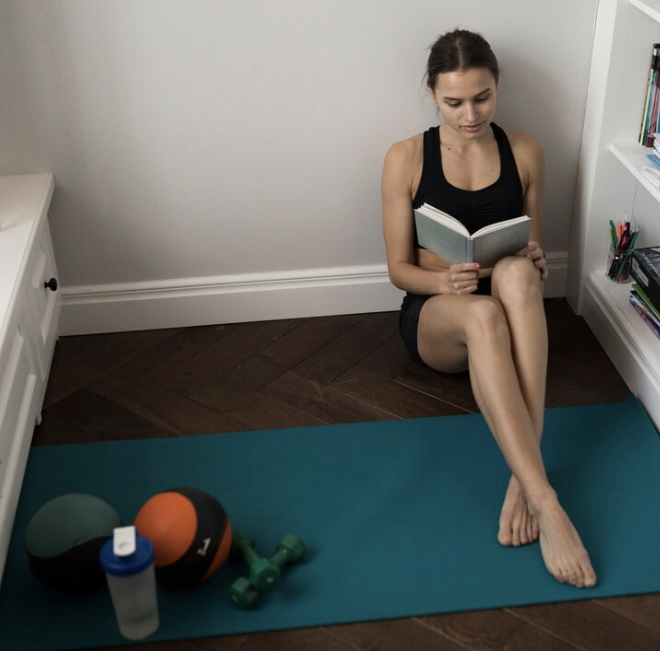
Sleep is one of the three pillars of health in Best Ayurvedic treatment centre in kerala (Ahara – Nidra – Brahmacharya). When sleep is sound, the body repairs, the mind calms, immunity strengthens, and overall vitality improves.
But stress, irregular routines, screen exposure, and poor diet have made insomnia and disturbed sleep very common.
This blog explores effective Ayurvedic practices to help you fall asleep naturally, stay asleep longer, and wake up refreshed.
1. Understanding Sleep in Ayurveda (Nidra)
According to Ayurveda, sleep is influenced by Kapha, Pitta, and Vata doshas.
Vata Imbalance
-
Difficulty falling asleep
-
Light, disturbed sleep
-
Anxiety, overthinking
Pitta Imbalance
-
Waking up between 2–4 AM
-
Irritability, anger, intense dreams
-
Feeling overheated at night
Kapha Imbalance
-
Oversleeping
-
Feeling heavy, dull, and unrefreshed
Balancing doshas is the key to restoring natural sleep.
2. Ayurvedic Tips for Deep, Restful Sleep
1. Follow a Consistent Sleep Schedule
Sleeping at the same time daily regulates your circadian rhythm.
Best time to sleep: 10:00 PM – before Pitta time (10–2 AM).
2. Reduce Screen Time Before Bed
Blue light disturbs melatonin production.
Stop using devices 1–2 hours before sleep.
3. Eat a Light, Early Dinner
Heavy meals at night cause indigestion and discomfort.
Ideal dinner time: 6:30 – 8:00 PM
4. Drink Warm Milk with Spices
Ayurvedic sleep tonic:
-
Warm milk
-
A pinch of nutmeg
-
A pinch of turmeric
-
A bit of jaggery or honey
This calms the mind and relaxes the nervous system.
5. Practice Shiro Abhyanga (Head Massage)
Massage with warm oils like:
-
Brahmi oil
-
Bhringraj oil
-
Sesame oil
This reduces stress, improves blood circulation, and induces sleep.
6. Take a Warm Bath Before Bed
A warm bath relaxes muscles and reduces Vata, promoting deeper sleep.
7. Create a Sleep-Friendly Room
-
Keep your room cool and dark
-
Avoid bright lights
-
Use lavender or sandalwood aroma
-
Keep gadgets away from your bed
8. Practice Bedtime Yoga & Breathing
A few minutes of gentle yoga can relax the body:
-
Balasana (Child’s Pose)
-
Viparita Karani (Legs-up-the-wall)
-
Shavasana
Follow with calming breathing:
-
Nadi Shodhana
-
Deep belly breathing
9. Manage Stress & Calm the Mind
Ayurveda emphasizes mental relaxation:
-
Evening walk
-
Meditation
-
Journaling
-
Herbal tea (chamomile, ashwagandha, tulsi)
A calm mind leads to peaceful sleep.
10. Avoid Stimulants
Reduce or eliminate:
-
Coffee
-
Tea
-
Spicy foods
-
Smoking
-
Late-night snacking
These disturb Pitta and Vata, causing insomnia.
3. Ayurvedic Herbs for Better Sleep
1. Ashwagandha
Reduces stress, calms the nervous system.
2. Brahmi
Improves relaxation and supports brain health.
3. Jatamansi
Helps in deep, restorative sleep.
4. Tagar
Effective for insomnia and anxiety.
5. Shankhpushpi
Improves mental clarity and calms the mind.
These herbs can be taken as teas, tablets, or powders as advised by a physician.
4. Ayurvedic Night Routine (Ratricharya)
-
Warm oil foot massage
-
Light stretching
-
Avoid heavy conversations
-
No screens or work in bed
-
Sip warm water
-
Listen to calming music or chants
Following a routine signals the body it's time to rest.
5. When to Seek Panchakarma Treatment
If insomnia is chronic or caused by severe stress, Panchakarma therapies help:
-
Shirodhara
-
Abhyanga
-
Takradhara
-
Nasya
-
Shiro Abhyangam
These calm the nervous system and restore emotional balance.
Conclusion
Ayurveda teaches that restful sleep is essential for vibrant health. Simple habits like early dinners, warm oil massage, herbal drinks, and mindful nighttime routines can transform your sleep quality naturally.
At Krishnendu Ayurveda, personalized detox therapies and sleep-healing treatments help restore balance and bring deep, peaceful rest.

 Russian
 English
 Arabic
 French
 Spanish
 Portuguese
 Deutsch
 Turkish
 Dutch
Dutch
 Italiano
 Romaian
 Portuguese (Brazil)
 Greek
Greek
